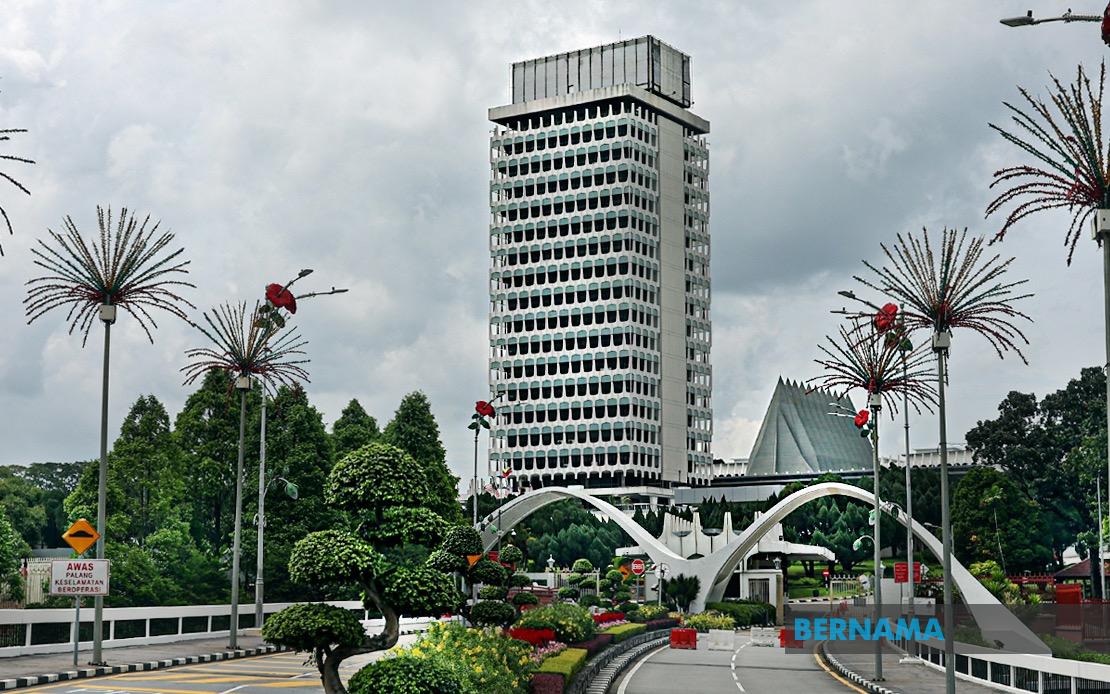
Malaysia's parliament has begun its June sitting with measured legislative progress, approving the Road Transport (Amendment) Bill 2026 as the sole piece of legislation to pass during the opening week. The measure represents a significant tightening of enforcement capabilities for authorities tackling illegal street racing, a persistent public safety concern that has claimed lives on Malaysian roads. Transport Minister Anthony Loke unveiled the legislation's core innovation: Section 42A establishes a legal framework permitting intervention against illegal racing activities before accidents, injuries, or fatalities occur—a fundamental shift in how law enforcement can respond to dangerous driving behaviour.
The amendment addresses a critical enforcement gap that has long hampered road safety efforts. Previously, authorities faced substantial evidentiary burdens, needing to establish clear danger or document actual harm before pursuing legal action. This created a reactive rather than preventative system, allowing dangerous activities to persist until serious consequences materialised. By establishing early intervention mechanisms, the legislation moves Malaysian road safety policy toward predictive enforcement, potentially disrupting racing networks before they cause tragedy. The change reflects evolving approaches to public safety that prioritise prevention over prosecution after harm occurs.
Looking beyond this immediate legislative success, Loke indicated his ministry will pursue additional amendments to the Road Transport Act later in 2026, focusing on victim compensation schemes for those injured or killed by impaired drivers. This second phase targets a different dimension of road safety: financial protection for victims and their families when drivers operate vehicles under the influence of alcohol or drugs. By establishing dedicated compensation mechanisms alongside existing criminal penalties, the approach recognises that fines and imprisonment alone provide little solace to those suffering permanent disability or grieving loss. The proposed framework would represent expanded accountability extending beyond the criminal justice system.
Parallel legislative efforts stalled during the opening week, however. The Prison (Amendment) Bill 2026, designed to introduce electronic monitoring devices and expand volunteer-led rehabilitation programmes, was referred back to the Parliamentary Select Committee for deeper examination. This deferral suggests ongoing concerns about implementation mechanisms, cost implications, or definitional clarity around rehabilitation responsibilities. Electronic monitoring technology raises significant privacy and financial considerations that warrant careful parliamentary scrutiny before enactment.
Multiple bills received preliminary readings, setting stages for future parliamentary debate. The Sexual Offences Against Children (Amendment) Act 2026, Competition (Amendment) Bill 2026, Competition Commission (Amendment) Bill 2026, and Cybercrime Act 2026 all entered parliamentary processing pipelines during the week. Notably, the Cybercrime Act represents a comprehensive legislative modernisation, seeking to replace the Computer Crimes Act 1997 with updated provisions reflecting contemporary digital threats and criminal methodologies. This generational update to Malaysia's cybercrime framework acknowledges how substantially the digital landscape has shifted since 1997, with cloud computing, artificial intelligence, and distributed systems creating enforcement challenges the older legislation never contemplated.
Personnel changes marked the parliamentary week as well. Dewan Rakyat Speaker Tan Sri Johari Abdul confirmed that Larut Member of Parliament Datuk Seri Hamzah Zainudin has been reinstated as opposition leader from June 18 onwards. Additionally, two seats have moved toward by-election processes following May resignations: Pandan and Setiawangsa vacancies have been formally notified to the Election Commission, initiating constitutional procedures that will ultimately return these constituencies to voters. These administrative matters, while procedurally routine, reflect the fluid nature of parliamentary representation in Malaysia's current political environment.
Parliamentary business itself functioned with modification during the opening week. Minister's Question Time, conventionally scheduled for Tuesdays and Thursdays and traditionally reserved for interrogating the Prime Minister's portfolio, instead saw relevant ministers fielding questions. This adjustment reflected Datuk Seri Anwar Ibrahim's engagement with competing governmental responsibilities. Such scheduling flexibility underscores how parliamentary procedure must accommodate broader executive demands while maintaining oversight mechanisms.
Unemployment emerged as a dominant theme throughout parliamentary deliberations. Human Resources Minister Datuk Seri R. Ramanan reported that 42,807 workers faced retrenchment between January and June 12, with enterprise closures and workforce reduction constituting the primary drivers. This figure carries weight given Malaysia's economic diversification challenges and sectoral vulnerabilities during periods of global instability. However, Economy Minister Akmal Nasrullah Mohd Nasir offered counterbalancing perspective, noting that June job losses declined 20 percent compared to May figures, and the labour force participation rate remained stable at 70.9 percent. This measured assessment suggests labour market adjustment rather than systemic collapse, though underlying sectoral dynamics warrant continued monitoring.
Border security received substantial financial commitment during parliamentary discussions. Home Minister Datuk Seri Saifuddin Nasution Ismail announced government approval of RM22 million funding to equip the Malaysia Border Control and Protection Agency with firearms and supplementary operational equipment. This investment reflects recognition that Malaysia's maritime and terrestrial boundaries require enhanced technological and material capacity amid regional security challenges. The allocation addresses practical operational needs while signalling governmental prioritisation of border integrity and control.
Online child safety dominated communications policy discourse. Communications Minister Datuk Fahmi Fadzil explained that the Child Protection Code and Risk Mitigation Code, effective from June 1, mandate age-verification systems across social media platforms to shield younger users from harmful content and exploitation. Non-compliant platforms face penalties reaching RM10 million under the Online Safety Act 2025. This enforcement framework places Malaysia among jurisdictions actively regulating platform accountability for child protection, creating compliance obligations that international social media operators must navigate across their user bases.
Energy and commodities policy received parliamentary attention amid global supply disruptions. The Ministry of Plantation and Commodities signalled intent to evaluate B50 biodiesel programme feasibility, acknowledging that existing blending infrastructure would require substantial capital investment for expansion. This cautious approach reflects realistic assessment of implementation costs against potential environmental benefits and energy independence gains. Rather than commit to ambitious targets before practical groundwork is complete, the ministry is conducting thorough viability analysis.
The current parliamentary sitting extends through July 16, providing lawmakers with a full 16-day window to advance legislative agendas and scrutinise executive actions. This opening week, despite yielding only one completed bill, established parliamentary priorities and working parameters that will shape subsequent sessions. The combination of completed legislation, deferred items, newly introduced bills, and substantive debates suggests an institution engaged with Malaysian society's multifaceted needs—from road safety and employment to digital protection and border security.

