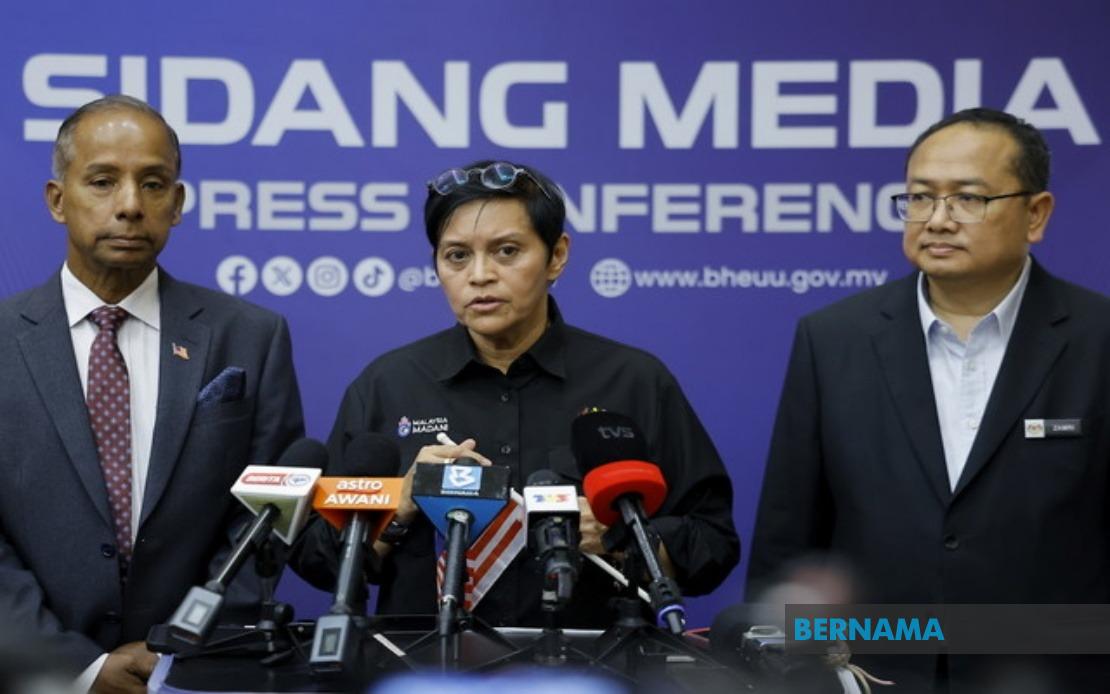
A Parliamentary Select Committee will commence its examination of the Freedom of Information Bill 2026 in a first meeting that prioritises establishing the committee's working framework and scope. Datuk Seri Azalina Othman Said, the Minister in the Prime Minister's Department (Law and Institutional Reform) and chair of the committee, announced the development after attending the ministry's monthly staff gathering in Putrajaya. The inaugural session represents a significant step in the legislative journey of a bill designed to create formal mechanisms for citizens seeking access to government information.
The decision to route the Bill through a Select Committee rather than proceed directly to parliamentary debate reflects a deliberate approach to governance that values collaborative scrutiny. On July 13, the government had announced its intention to refer the Freedom of Information Bill 2026 to the committee, recognising that comprehensive examination through engagement with parliamentarians and stakeholders would strengthen the eventual legislation. This parliamentary process allows for broader consultation beyond the usual government drafting stages, incorporating diverse perspectives that may otherwise remain unheard during standard legislative procedures.
Azalina emphasised that the committee brings together members from multiple political parties, ensuring the review transcends partisan interests. This bipartisan participation carries particular significance in Malaysia's legislative context, where consensus-building on transparency and access to information legislation can enhance public confidence in the process. The commitment to cross-party engagement suggests that proponents view freedom of information as a matter of national interest rather than political ideology, though this bipartisanship remains to be tested once substantive policy discussions commence.
The committee's mandate extends beyond procedural matters to substantive evaluation of the Bill's content. Azalina revealed that numerous stakeholders, including non-governmental organisations and professional bodies, have submitted views on various aspects of the proposed legislation. These submissions frequently express concern that the Bill's current scope is insufficiently comprehensive. Civil society organisations and industry associations have apparently advocated for broader access rights than what the draft legislation currently provides, suggesting that the current version may impose stricter limitations than advocacy groups consider desirable.
The Freedom of Information Bill 2026 establishes a procedural framework governing how Malaysian citizens can formally request access to information held by public authorities. Any citizen aged 18 or above may submit written applications for access to official documents and records, creating a legal right where previously no statutory entitlement existed. This represents a meaningful shift in the relationship between government and citizens, moving from discretionary information release towards rights-based access, though the legislation retains substantial room for withholding information.
However, the Bill's scope faces significant constraints through preservation of existing secrecy legislation. The draft provisions explicitly maintain the exemptions embedded in the Official Secrets Act 1972, meaning that information classified under that statute remains inaccessible regardless of the new Bill's procedures. Furthermore, any information whose disclosure is prohibited or protected under other written laws similarly remains excluded from the access mechanism. This layering of exemptions means that the Freedom of Information Bill operates within a much narrower universe of potentially accessible information than exists in jurisdictions with comprehensive freedom of information statutes.
The tension between expanding access rights and preserving security-related exemptions stands at the heart of the committee's forthcoming deliberations. Transparency advocates frequently argue that national security legislation, while necessary, has been applied expansively in many Commonwealth jurisdictions to shield information from legitimate public scrutiny. The committee must navigate this contentious terrain, determining whether the current exemption structure appropriately balances security interests against democratic accountability. Malaysia's approach will be closely watched by civil society and media organisations seeking to understand the government's genuine commitment to transparency versus rhetorical endorsement of freedom of information principles.
The Select Committee is expected to complete its work and submit findings and recommendations before the next parliamentary sitting, establishing a compressed but realistic timeline for initial deliberations. This schedule reflects an intention to move the legislation forward relatively expeditiously, though select committee processes typically require multiple meetings to address substantive policy questions thoroughly. The timeline also suggests confidence that major policy questions can be resolved without extended procedural delays, though this assumption may be tested once detailed discussions commence on contentious exemption issues.
The Bill's emergence reflects broader regional trends toward transparency legislation in Southeast Asia. Countries including Thailand, Indonesia, and the Philippines have enacted freedom of information frameworks at varying levels of comprehensiveness, creating regional momentum toward greater government transparency. Malaysia's participation in this trend demonstrates recognition that information access mechanisms have become normative expectations in modern democracies, though the specific form and extent of access rights continue to vary substantially across jurisdictions. The Select Committee's recommendations will help determine whether Malaysia's approach aligns more closely with broader international standards or reflects a more restrictive interpretation.
For Malaysian citizens and organisations, the Bill represents an opportunity to formalise access rights currently lacking statutory foundation. However, the substantial exemptions built into the legislation's framework suggest that transformative change in information access may be limited. The Select Committee's work will indicate whether the government envisions the Bill as a genuine transparency instrument or primarily as a mechanism for managing information requests within existing security-based constraints. The stakeholder submissions that Azalina highlighted suggest that civil society organisations intend to advocate vigorously for broader access rights during the committee's review process, setting the stage for potentially substantive debates about the proper scope of freedom of information legislation in Malaysia's constitutional context.

