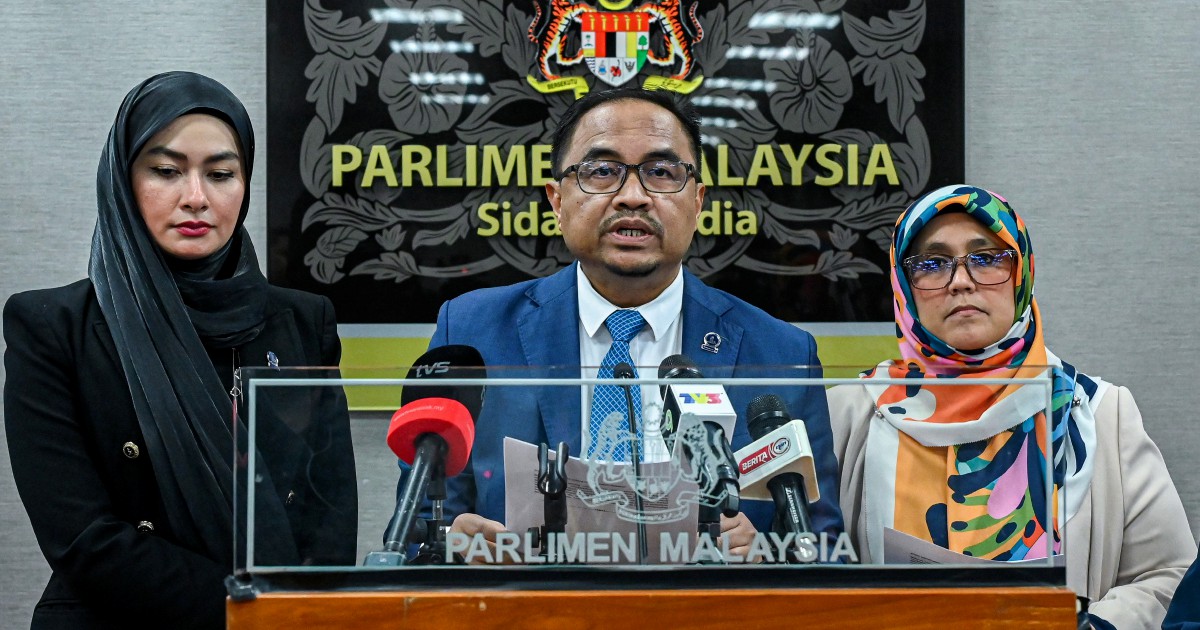
A coalition of lawmakers spanning multiple political parties has issued calls for substantial electoral law overhauls to be implemented before Malaysia holds its 16th general election, signalling growing parliamentary consensus on the need for institutional safeguards in the electoral process. The cross-party parliamentary group has zeroed in on two critical areas: restricting the use of state machinery in political campaigning and granting the Election Commission broader enforcement capabilities to monitor and regulate electoral conduct more effectively.
The push for barring government resources from campaign activities reflects longstanding concerns among opposition politicians and electoral observers that incumbent administrations in Malaysia have historically possessed structural advantages during election periods. Government vehicles, personnel, and facilities have been utilised during campaigns, a practice that independent election monitors and international observers have identified as potentially tilting the electoral playing field. By prohibiting such use, reformers argue that a more level terrain would be created where electoral outcomes hinge more directly on policy platforms and voter preference rather than institutional incumbency.
The emphasis on strengthening the Election Commission's powers addresses perennial criticism that Malaysia's electoral arbiter lacks sufficient teeth to enforce campaign regulations consistently. Currently, the EC operates within constraints that some legislators and civil society groups argue have hampered its capacity to penalise violations decisively or investigate breaches thoroughly. Enhanced enforcement authority would theoretically enable the Commission to impose sanctions, conduct independent investigations, and monitor compliance with campaign finance limits and media access regulations more rigorously throughout the electoral cycle.
This parliamentary initiative carries particular significance given Malaysia's electoral history. Previous general elections have been marked by allegations of unequal media coverage, disparities in campaign financing transparency, and questions about whether the playing field was genuinely competitive. The 15th general election, held in November 2022, was notable for returning the lowest voter turnout in Malaysia's democratic history, a statistic that many analysts link to public perceptions regarding the integrity and fairness of the electoral process. Reform advocates argue that visible steps toward cleaner elections could restore confidence in democratic institutions.
The cross-party nature of the parliamentary group is itself noteworthy. Electoral reform typically divides along government-opposition lines, with incumbents cautious about restricting advantages they possess and opposition parties demanding change. That parliamentarians from different political affiliations are publicly uniting around these proposals suggests that concerns about electoral standards have transcended partisan calculation, at least among this subset of legislators. This consensus may reflect awareness that long-term institutional credibility benefits all political parties.
Malaysia's electoral framework has undergone incremental modifications over decades, but comprehensive overhauls remain rare. The Constitution establishes the basic architecture, while subsidiary legislation governs campaign conduct and finance disclosure. Any substantial reform would require careful navigation of constitutional provisions and likely consensus among multiple parliamentary constituencies. The current parliamentary composition, with no single party commanding overwhelming dominance, creates both opportunity and complexity for advancing legislative change.
Regional context amplifies the importance of these reform discussions. Across Southeast Asia, electoral integrity has become increasingly contested, with concerns about disinformation, digital manipulation, and state resource misuse pervading campaigns from Indonesia to Thailand. Malaysia's response to these challenges—whether through strengthened institutional frameworks or maintained status quo arrangements—will influence perceptions of the nation's democratic trajectory internationally and domestically. Stronger Election Commission powers and clearer restrictions on government machinery use would position Malaysia as taking electoral standards seriously.
The timing before GE16 is strategically significant. Malaysian electoral cycles typically span several years between general elections, and reform efforts launched this far in advance could potentially be codified into law before campaigning intensifies. This provides a window for deliberation and stakeholder consultation that would be impossible closer to polling day when partisan pressures escalate. Civil society organisations, academics, and professional bodies would need time to input into reform design.
Implementing such reforms will nonetheless encounter substantial obstacles. Defining precisely what constitutes improper use of government machinery requires nuance—routine administrative functions must continue regardless of election season. Distinguishing between legitimate government messaging and partisan campaigning presents conceptual challenges. Similarly, calibrating the Election Commission's expanded powers without creating either ineffectual oversight or apparatus for political suppression demands careful legislative draftsmanship. International democratic standards exist on these matters, but adapting them to Malaysia's specific constitutional and institutional landscape requires local expertise.
The proposals also intersect with Malaysia's ongoing political transitions. Recent years have witnessed significant shifts in coalition alignments, with Pakatan Harapan, Barisan Nasional, and Perikatan Nasional all competing for dominance. In this fluid environment, establishing durable electoral rules that command cross-party respect becomes especially valuable. When governments are genuinely uncertain whether they will retain power in subsequent elections, self-interest aligns with institutional integrity—a dynamic that may explain current parliamentary receptiveness to reform discussions.
Beyond campaign-related restrictions, the Election Commission's strengthened mandate would likely extend to areas such as campaign finance monitoring, which remains opaque in Malaysian practice. The absence of comprehensive public disclosure requirements for political donations means that voters often lack information about funding sources behind candidates or parties they consider supporting. An empowered EC could mandate more transparent reporting systems, though this would require political will to surrender funding secrecy that many established players have traditionally guarded.
Successfully implementing electoral reforms will depend fundamentally on political commitment transcending parliamentary rhetoric. Previous reform initiatives in Malaysia have foundered when implementation encountered resistance from entrenched interests. The current cross-party parliamentary initiative will gain credibility only when concrete legislative proposals emerge, circulate for public consultation, and advance toward enactment. Until specific draft provisions are tabled, questions will persist about whether this represents genuine institutional reform or performative consensus that dissolves when actual political stakes intensify during campaign season.

