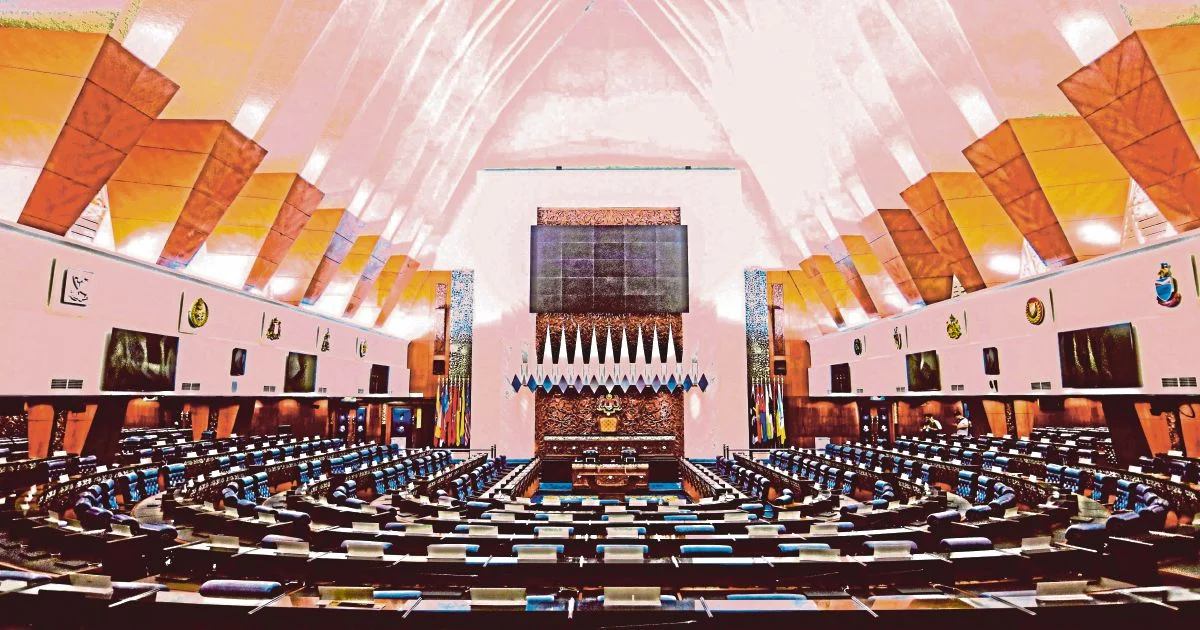
Parliamentary proceedings in Kuala Lumpur will today focus on two issues with significant implications for Malaysia's regional economic and strategic standing: the development framework for the Malaysia-Thailand Border Economic Zone and the cascading effects of mounting tensions in the Strait of Hormuz on domestic energy security and trade flows.
The Border Economic Zone represents an ambitious bilateral initiative aimed at unlocking economic potential in one of Southeast Asia's historically challenging frontier regions. The project seeks to establish integrated trade and investment mechanisms across the shared Malaysia-Thailand border, potentially transforming cross-border commerce and creating employment opportunities in border communities that have traditionally lagged behind more developed urban centres.
For Malaysian policymakers, the BEZ carries strategic weight beyond simple economic metrics. The zone's development would demonstrate ASEAN's commitment to regional connectivity and integration—principles that underpin the broader Southeast Asian framework. Success in the Malaysia-Thailand case could serve as a template for other border regions within the bloc facing similar infrastructure and regulatory challenges. The initiative also signals deepening bilateral cooperation with Thailand at a time when the wider region grapples with evolving geopolitical pressures and trade uncertainties.
Parallel to these regional integration efforts, lawmakers will examine the intensifying Strait of Hormuz crisis, which has emerged as a critical concern for energy-dependent nations across Asia. The waterway, through which approximately one-third of the world's seaborne oil passes, remains volatile due to longstanding geopolitical tensions. For Malaysia, a significant oil and gas producer itself, disruptions in Hormuz shipping lanes pose multifaceted risks—elevated energy prices affect manufacturing competitiveness, increase transportation costs for exports, and ultimately feed through to consumer prices domestically.
The Hormuz situation carries particular relevance for Malaysian policymakers focused on economic resilience. While Malaysia maintains diverse energy sources and does not depend entirely on Gulf supplies, the global nature of oil markets means price shocks originating from Middle Eastern supply disruptions reverberate through Malaysian logistics networks, petrochemical industries, and airline operations. Parliamentary scrutiny of government contingency planning and diplomatic positioning on the issue reflects broader concern about Malaysia's vulnerability to external shocks beyond its control.
These two parliamentary topics, seemingly separate, reflect interconnected realities shaping Malaysia's near-term development trajectory. The Malaysia-Thailand Border Economic Zone represents inward-looking regional cooperation—a strategy to build prosperity through cross-border integration and reduced trade barriers. Meanwhile, the Hormuz crisis exemplifies outward-facing geopolitical risks requiring careful navigation and contingency planning. Balancing investment in regional frameworks while maintaining strategic awareness of global flashpoints represents the central challenge for Malaysian economic diplomacy.
The Border Economic Zone's progress carries implications for bilateral relations that extend well beyond commerce. Thailand remains a crucial ASEAN partner for Malaysia, and successful economic cooperation in border regions can strengthen social cohesion in peripheral communities while building institutional trust between governments. Infrastructure improvements, harmonised regulations, and enhanced security cooperation that typically accompany such zones generate spillover benefits in tourism, agriculture, and light manufacturing sectors clustered near the shared frontier.
Regarding the Hormuz dimensions, Malaysian participation in regional security discussions and diversification strategies has intensified as tensions have persisted. Lawmakers today will likely probe government responses to oil price volatility, shipping security assurances for Malaysian vessels, and diplomatic efforts to support de-escalation. The parliamentary discussion also provides opportunity to examine Malaysia's broader energy security strategy, including renewable energy targets and domestic production optimization.
The timing of simultaneous parliamentary attention to these topics underscores Malaysia's balancing act as a mid-sized economy embedded in complex regional and global systems. The Malaysia-Thailand Border Economic Zone reflects optimism about what coordinated regional action can achieve, while Hormuz concerns remind stakeholders of external constraints and risks that no amount of regional cooperation alone can entirely eliminate. Lawmakers are effectively addressing both the aspirational and the cautionary dimensions of Malaysia's economic future.
Experts anticipate vigorous parliamentary debate will press ministers for concrete timelines on BEZ implementation, specific regulatory harmonisation measures, and cross-border infrastructure investments. Simultaneously, opposition and government backbenchers are expected to scrutinise contingency planning for energy supply disruptions and the adequacy of Malaysia's diplomatic engagement in Middle Eastern forums where strategic interests intersect.

