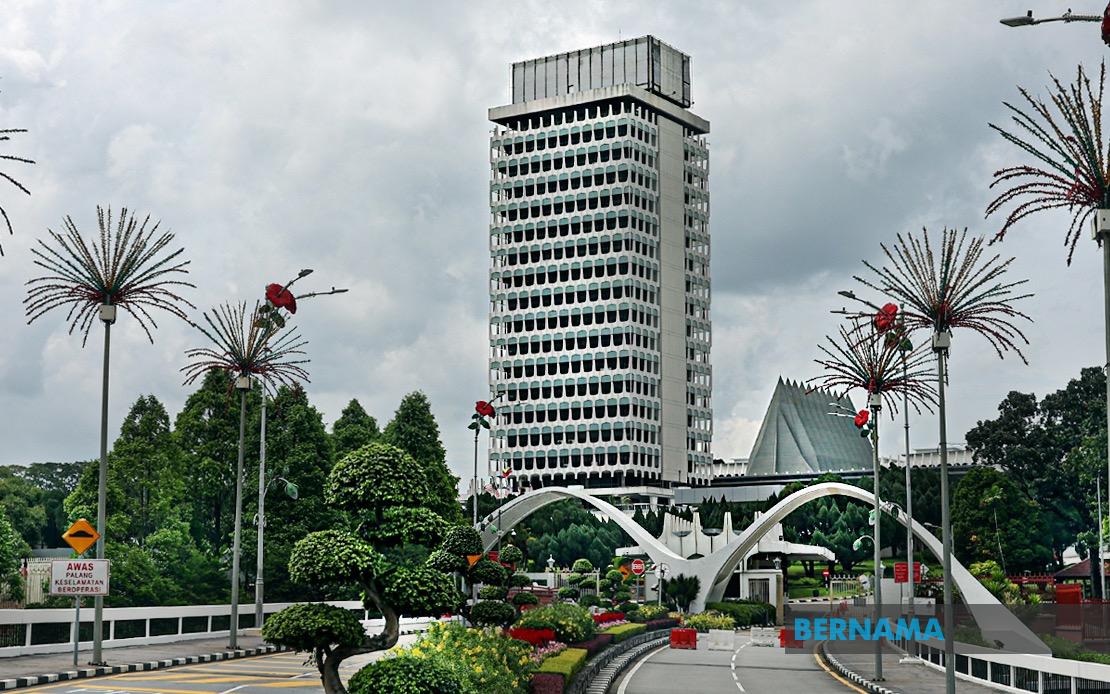
Malaysia's lawmakers are set to scrutinise the cascading effects of regional geopolitical tensions on the nation's tourism industry during today's Dewan Rakyat sitting, as parliamentarians raise concerns about visitor arrivals from key markets impacted by West Asian instability. The parliamentary session, which runs through July 16, will hear several substantive questions addressing economic vulnerabilities created by the conflict, border security challenges in strategic maritime zones, and persistent social issues ranging from wildlife management to housing accessibility for young Malaysians.
Dr Ahmad Fakhruddin Fakhrurazi, representing Kuala Kedah under Perikatan Nasional, will press the Tourism, Arts and Culture Minister for concrete data on how geopolitical uncertainty in West Asia has dampened visitor flows from traditionally lucrative markets. The Middle East, Europe, and broader West Asian region constitute significant segments of Malaysia's international tourist base, and disruptions to travel patterns from these zones carry substantial implications for the hospitality sector, airline operations, and allied service industries that depend on sustained international arrivals. The government's response will likely reveal whether targeted promotional campaigns or industry support measures are being deployed to offset these headwinds.
The tourism question gains particular weight given Malaysia's strategic positioning as a Southeast Asian hospitality hub and the sector's documented contributions to employment, foreign exchange earnings, and regional economic development. Sustained declines in visitor numbers from major source markets could necessitate operational restructuring across resorts, attractions, and transport infrastructure that were calibrated for pre-conflict demand patterns. The inquiry essentially tests whether policymakers possess coherent strategies to stabilise the sector during periods of geopolitical volatility, a concern increasingly relevant in an interconnected global economy where regional conflicts quickly produce transnational economic repercussions.
Simultaneously, Datuk Mohd Suhaimi Abdullah from Langkawi will direct attention to maritime and border security dimensions, questioning the Home Minister about the operational readiness of security agencies positioned in Langkawi to counter escalating migrant smuggling and contraband trafficking. Langkawi's geographical proximity to the Malaysia-Thailand border and its jurisdiction over significant territorial waters make it a critical node in national security infrastructure, yet the parliamentary inquiry suggests potential gaps in asset deployment or personnel capacity. The question specifically addresses whether existing security resources—personnel, vessels, surveillance equipment—are proportionate to the threat landscape, and notably, whether authorities intend to integrate unmanned aerial vehicles (UAVs) into their border monitoring operations.
The introduction of drone technology into Langkawi's security apparatus represents a modernisation imperative reflected in contemporary policing approaches across Southeast Asia. Drones offer cost-effective surveillance coverage over expansive maritime zones and difficult terrain, potentially enhancing detection rates for irregular migrant movements and smuggling operations. The parliamentary reference to previous applications for UAV deployment suggests bureaucratic or budgetary obstacles that warrant legislative attention, indicating a disconnect between operational requirements articulated by ground-level security personnel and the resource allocations approved by central authorities.
A third question from Manndzri Nasib addresses environmental and wildlife management challenges, specifically the persistence and intensification of human-elephant conflicts in Malaysian states. The inquiry examines whether recently allocated Ecological Fiscal Transfer funds and PERHILITAN community engagement programmes have demonstrably reduced conflict incidents, and whether the Ministry of Natural Resources and Environmental Sustainability possesses coherent interagency coordination to expand Electric Fencing for Elephants installations. This line of questioning reflects growing recognition that wildlife management requires sustained funding, technological innovation, and multi-stakeholder coordination rather than episodic interventions responding to individual conflict incidents.
The human-elephant conflict issue carries particular resonance for Peninsular Malaysian states where habitats overlap increasingly with human settlements and agricultural zones. Escalating development pressures, forest fragmentation, and climate variability have compressed wildlife corridors and created conditions where elephant populations venture into populated areas foraging for food, resulting in crop destruction, infrastructure damage, and occasionally loss of life on both sides. The parliamentary query signals that constituencies affected by these conflicts demand evidence-based assessment of intervention effectiveness rather than accepting ongoing incidents as inevitable consequences of coexistence.
Housing affordability emerges as another substantive parliamentary focus through Datuk Willie anak Mongin's question regarding unsold affordable housing stock and home ownership rates among adults under thirty-five. This inquiry probes the disconnect between government housing initiatives and actual market outcomes, requesting state-by-state and price-category granularity that reveals whether affordable housing programmes succeed in reaching intended beneficiaries or whether supply misalignments and affordability gaps persist despite policy interventions. Young adult home ownership rates carry significant implications for social stability, intergenerational wealth accumulation, and demographic trends, making this line of questioning particularly salient for long-term national development planning.
Beyond question time, parliament will advance two significant legislative measures during the sitting. The Sexual Offences against Children (Amendment) Bill 2026 addresses evolving child protection concerns in an era of digital exploitation and changing offence patterns, while the Employment Insurance System (Amendment) Bill 2025 signals ongoing refinement of Malaysia's social safety net for workers. These bills reflect parliamentary efforts to update legal frameworks responding to contemporary social realities, though their substantive contents warrant separate scrutiny regarding alignment with international standards and practical implementation feasibility.
The convergence of these parliamentary priorities reveals a legislature grappling with interconnected challenges spanning economic resilience, border security, environmental management, social equity, and child protection. Regional geopolitical instability compounds these domestic concerns, as the tourism inquiry demonstrates, requiring policymakers to simultaneously address immediate security threats, long-term sustainability challenges, and foundational issues of social cohesion and equity. The parliamentary sitting thus functions as an accountability mechanism through which elected representatives can press ministers for evidence-based responses and coherent strategies addressing these multifaceted challenges.

