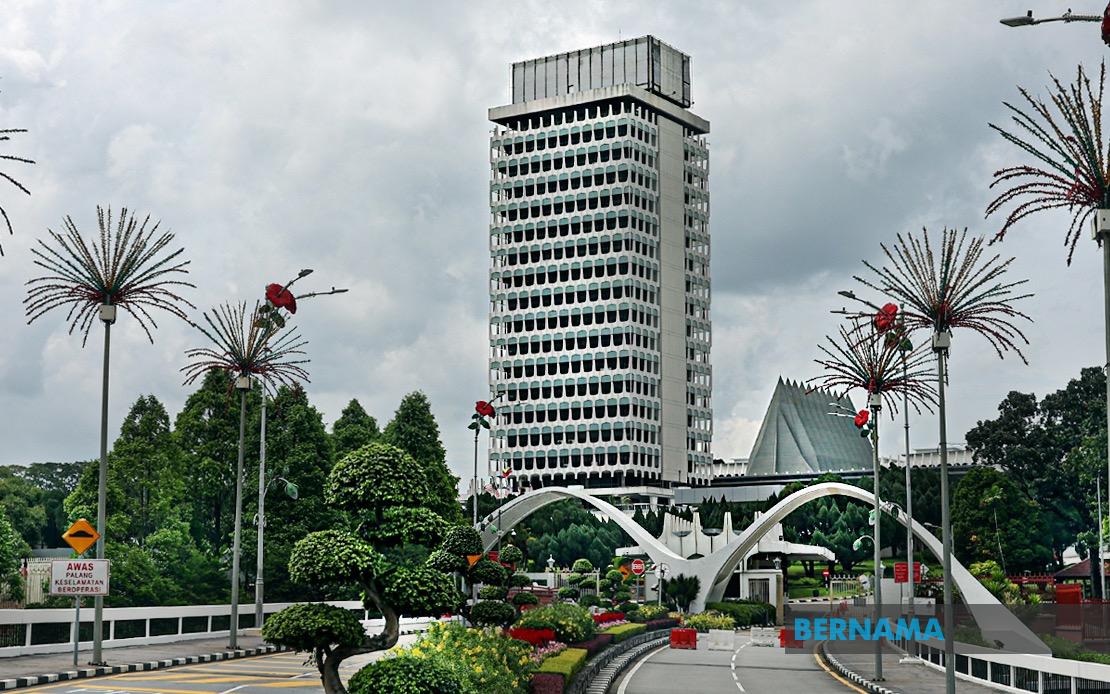
The Dewan Rakyat is turning its attention today to three interconnected challenges facing Malaysia's economy, governance, and democratic institutions. Among the matters commanding parliamentary scrutiny are the acute financing difficulties confronting the nation's micro, small and medium enterprises, international concerns about press freedom, and a constitutional amendment that would fundamentally reshape the country's legal architecture. These debates underscore the pressures bearing down on Malaysia's business ecosystem and institutional framework as the government navigates competing demands from entrepreneurs, civil society, and international observers.
MSME funding has emerged as a critical vulnerability within Malaysia's economic structure. Lee Chuan How, representing the Pakatan Harapan coalition in Ipoh Timor, will question the Prime Minister directly on whether the MADANI Government grasps the depth of anxiety among MSME entrepreneurs struggling to access financing. This line of inquiry reflects a persistent tension: while MSMEs constitute the backbone of Malaysia's employment and contribute substantially to GDP, their access to credit remains constrained. Financial institutions often view smaller enterprises as higher-risk borrowers, and collateral requirements frequently exceed what proprietors can pledge. For Malaysian readers closely monitoring business conditions, this parliamentary moment signals recognition that existing schemes and facilities have not adequately addressed the structural barriers preventing entrepreneurs from obtaining working capital and expansion funds.
The financing challenge carries particular weight for Southeast Asia's broader development trajectory. Unlike larger corporations with established relationships to institutional lenders and capital markets access, MSMEs struggle to bridge the gap between ambition and capital. Malaysia's position as a middle-income economy means that supporting enterprise creation and growth remains essential for preventing economic stagnation and rising inequality. When entrepreneurs cannot secure funds to purchase inventory, upgrade equipment, or hire staff, entire supply chains feel the ripple effects. The question being raised in Parliament today therefore transcends individual business struggles; it speaks to whether Malaysia's financial infrastructure adequately supports inclusive economic growth.
Simultaneously, Ahmad Fadhli Shaari from Pasir Mas, representing Perikatan Nasional, will confront the government over a troubling international perception: Malaysia's ranking in the World Press Freedom Index has deteriorated from 88th place to 95th in the 2026 assessment. This decline of seven positions within a single year deserves close examination. Press freedom indices measure not only formal legal restrictions but also journalist safety, government interference in editorial decisions, and the space available for critical reporting. A downward trajectory suggests that Malaysia's international standing as an open society operating under the rule of law faces erosion. The question implicitly demands that the Prime Minister articulate specific governmental actions designed to reverse this slide and demonstrate commitment to safeguarding independent journalism.
For Malaysian readers, the significance of press freedom rankings extends beyond abstract principles of democratic governance. International indices influence foreign investor confidence, shape how Malaysia is perceived among potential business partners, and affect the country's soft power positioning. When Malaysia's ranking declines while regional competitors maintain or improve their positions, the economic and diplomatic implications accumulate. Moreover, press freedom functions as an early warning system for broader governance concerns; restrictions on journalism frequently correlate with other democratic constraints that eventually undermine investor certainty and civic participation.
The parliamentary agenda also includes a question from Aminolhuda Hassan, the Pakatan Harapan representative for Sri Gading, regarding whether the government intends to establish a Senior Citizens-Friendly Fund. This initiative would specifically target upgrading mosque and surau facilities to accommodate elderly worshippers through installations such as wheelchair ramps and accessible toilets. The query reflects growing attention within Parliament to Malaysia's aging demographic profile and the need to adapt public spaces and community institutions accordingly. Mosques and suraus hold central importance within Malaysian Muslim communities; ensuring their accessibility for senior citizens represents both an equity issue and a practical recognition of demographic realities. The question signals parliamentary interest in targeted funding mechanisms addressing specific social needs.
Beyond these questions, the Dewan Rakyat will proceed with debating the 2024 Annual Report and Financial Statement of the Human Rights Commission of Malaysia (SUHAKAM). This regular parliamentary exercise maintains legislative oversight of the independent human rights body, ensuring accountability and public transparency. SUHAKAM's work encompasses investigating complaints of rights violations, advocating for legislative reforms, and engaging with international human rights mechanisms. Parliamentary scrutiny of SUHAKAM's activities reinforces the principle that even independent institutions remain accountable to elected representatives and ultimately to the public.
The sitting will also resume debate on the Constitution (Amendment) (No. 2) Bill 2026, which proposes separating the roles of Attorney General and Public Prosecutor. This constitutional modification represents a significant institutional change with deep implications for Malaysia's judicial and prosecutorial independence. Currently, the Attorney General serves simultaneously as the chief legal advisor to government and as the head of prosecutorial authority. Separating these functions aims to reduce potential conflicts of interest and strengthen the independence of prosecutorial decision-making. For Malaysian observers concerned with rule of law, institutional checks and balances, and preventing political instrumentalisation of the justice system, this constitutional reform warrants careful consideration.
The separation of Attorney General and Public Prosecutor roles would align Malaysia more closely with comparative international practice in jurisdictions emphasising prosecutorial independence. However, implementing such changes requires careful attention to transition arrangements, resource allocation, and coordination between institutions. Parliamentary debate on this bill provides the forum for legislators to scrutinise these practical dimensions and ensure that constitutional reform translates into genuine institutional strengthening rather than merely reshuffling existing arrangements without substantive improvement.
Today's parliamentary session, commencing at 10 am, demonstrates how Malaysia's legislature continues grappling with interconnected challenges spanning economic opportunity, democratic values, and institutional design. Whether addressing MSME financing difficulties, defending media freedom, ensuring accessible public facilities, or strengthening prosecutorial independence, the Dewan Rakyat reflects broader societal tensions between growth imperatives, governance principles, and demographic adaptation. These debates collectively reveal where Malaysian policymakers believe attention must be directed and which constituencies they perceive as requiring parliamentary advocacy. The outcomes may influence not only immediate policy responses but also signal the government's priorities to both domestic constituencies and international observers assessing Malaysia's trajectory.

