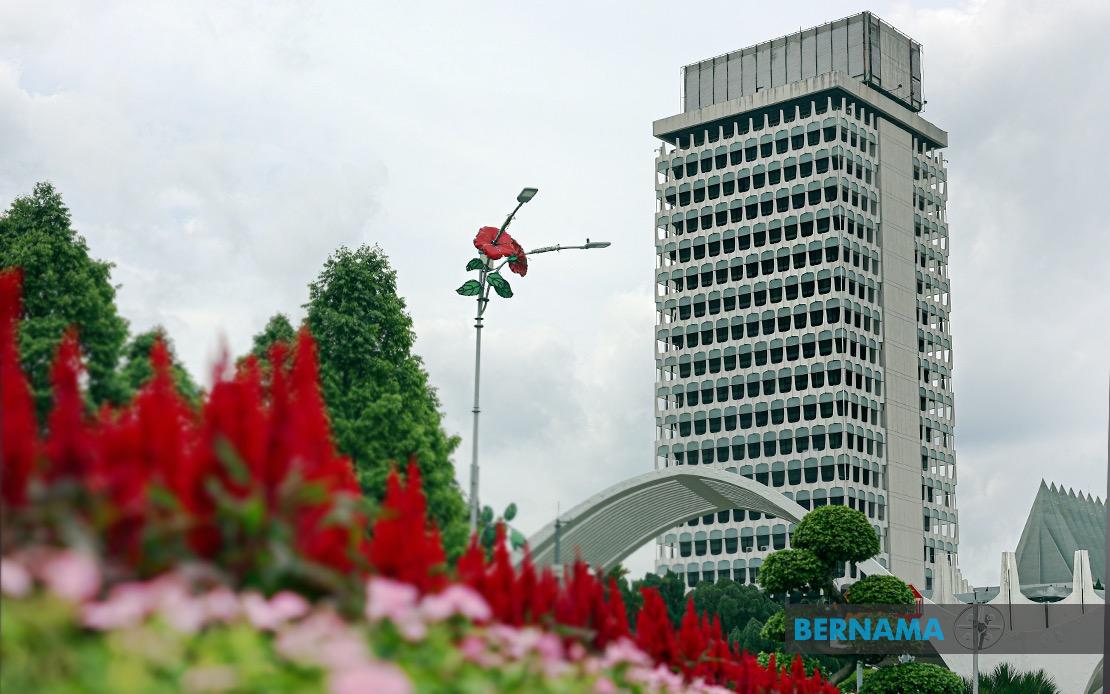
Parliament reconvened today in a session expected to probe several critical governance matters, from climate resilience to institutional safety standards, reflecting growing parliamentary pressure on the government to address emerging national challenges. The sitting of the Dewan Rakyat marks the final day of a 16-day parliamentary session, with lawmakers scheduled to grill ministers on preparedness for the anticipated El Niño phenomenon and its cascading effects on the nation's food security infrastructure.
Climate and agriculture emerged as a primary concern, with Bakti Jamaluddin from Tangga Batu pressing the Agriculture and Food Security Minister on the government's concrete preparations to mitigate El Niño impacts. The question touches on a vulnerability that has long troubled Southeast Asian nations—the monsoon patterns and drought conditions that can devastate crop yields and livestock productivity. Bakti's inquiry demands specifics on how the administration plans to maintain irrigation water supplies, safeguard padi cultivation, protect food crop output, and sustain livestock sectors during the phenomenon. This line of questioning underscores mounting anxiety among rural constituencies about agricultural viability in an era of shifting climate patterns, a concern that resonates across Malaysia's farming heartland and among rural MPs who must answer to their agricultural constituents.
The session will also examine a more immediate security matter—the hand grenade explosion that occurred during a Malaysian Armed Forces training exercise. Datuk Mohd Isam Mohd Isa, representing Tampin, will question the Defence Minister about the incident's root causes and the remedial measures being implemented to tighten safety protocols. The explosion represents a significant lapse in training discipline, and the parliamentary interrogation signals that the incident has not been dismissed as a mere accident. The Defence Ministry faces pressure to demonstrate that revised standard operating procedures are being rigorously enforced to prevent recurrence of such dangerous incidents. This inquiry reflects broader public concern about operational safety within Malaysia's military institutions and suggests that parliament intends to maintain oversight on these matters beyond internal military investigations.
Governance reforms affecting Kuala Lumpur form another parliamentary focus. Tan Kok Wai from Cheras will question the Prime Minister regarding administrative and governance restructuring at Kuala Lumpur City Hall following a feasibility study of the Federal Capital Act 1960. The query encompasses wide-ranging aspirations for improved administration, transparency, integrity standards, and public service delivery—themes that resonate with widespread frustration over bureaucratic inefficiency in Malaysia's capital. A federal capital that functions more efficiently and transparently is considered essential for projecting institutional competence and attracting investment, making this parliamentary probe consequential for the government's broader image and governance agenda.
Religious extremism and ideological drift also occupy parliamentary attention today. Sabri Aziz from Jerai will press the government on its strategy for combating the proliferation of deviant teachings within Islamic communities and the intervention frameworks deployed to reclaim those who have abandoned orthodox Islamic practice. This question reflects persistent anxieties among lawmakers about fringe religious movements and their potential to undermine social cohesion. The government's response will likely emphasize collaborative efforts with religious authorities and community engagement, though the parliamentary scrutiny suggests that some opposition voices believe the administration's approach remains insufficiently robust or coordinated.
Public health disparities will command parliamentary scrutiny when Datuk Dr Richard Rapu from Betong questions the Health Minister on rising non-communicable disease prevalence, particularly diabetes and hypertension among those under thirty. The inquiry signals alarm at the accelerating incidence of lifestyle-related illnesses in younger age cohorts—a demographic shift with enormous long-term health and economic implications. Rapu will also demand an evaluation of the government's War on Sugar campaign and the sugar tax enforcement mechanism, seeking evidence that these interventions have meaningfully reduced obesity rates. This line of questioning reflects international public health trends and domestic concerns that Malaysia's metabolic disease burden is expanding faster than preventive programmes can counteract, with particular concern about early-onset chronic conditions that will consume healthcare resources for decades.
The parliamentary session will culminate with Finance Minister tabling the National Trust Fund Bill 2026 for second reading, a legislative initiative whose details remain subject to parliamentary deliberation and amendment. The bill's passage through this phase signals government intention to establish or modify a national trust mechanism, though the specifics of beneficiaries, fund governance, and resource allocation await fuller disclosure during the parliamentary debate.
This final day of the 15th Parliament's Fifth Session encapsulates the breadth of contemporary governance challenges confronting Malaysia—from climate adaptation and agricultural sustainability to military discipline, institutional efficiency, ideological threats, and preventive health infrastructure. The questions posed reflect both ruling coalition and opposition concerns, suggesting that while partisan divisions persist, substantive anxieties about national competitiveness and resilience transcend factional boundaries. The parliamentary responses will provide insight into how comprehensively and transparently the government intends to address these interconnected challenges as Malaysia navigates an increasingly complex global and domestic environment.

