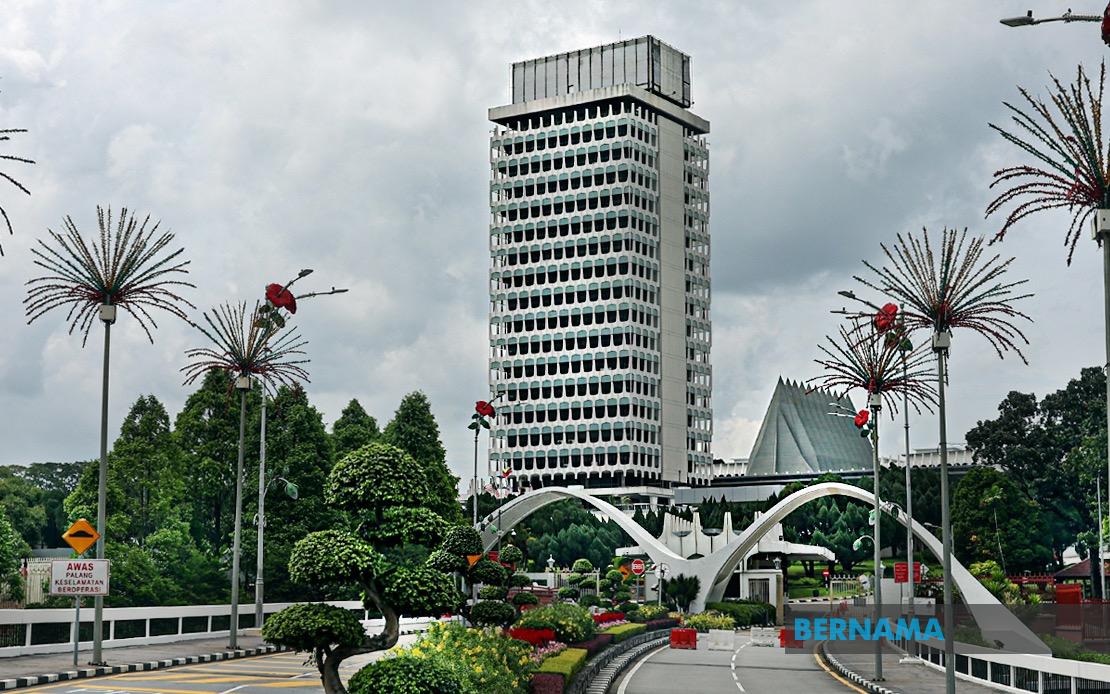
The Dewan Rakyat convened today to scrutinize two pressing national concerns: the proposed adoption of a public-private partnership framework to develop the East Coast Expressway Phase 3 (LPT3), and coordinated government action against criminal networks peddling vape products to minors and students. The parliamentary session reflects growing legislative interest in infrastructure funding mechanisms and youth protection policies, both areas where Malaysian governance faces mounting public pressure.
The LPT3 question, posed by Wan Hassan Mohd Ramli of Dungun, addresses fundamental concerns about how Malaysia can fund large-scale transportation infrastructure while managing fiscal constraints. The Works Ministry will need to clarify the government's strategic reasoning behind selecting the PPP model rather than conventional public financing, a decision carrying substantial implications for road users and taxpayers alike. The inquiry specifically targets transparency around toll pricing structures and project completion schedules, matters of acute concern to businesses and commuters who depend on expressway networks for economic activity across the peninsula's eastern corridor.
The PPP approach represents a significant shift in infrastructure policy that has sparked debate within government and civil society circles. Critics argue that private sector involvement in toll roads can result in higher user charges, while proponents contend that PPP arrangements accelerate project delivery and transfer operational risks away from the public purse. For Malaysian motorists, the practical question remains whether LPT3 tolls will remain competitive with alternative routes or whether the eastern coast corridor faces price barriers that might redirect traffic through federal roads, ultimately increasing congestion elsewhere.
Parallel to infrastructure discussions, the parliament will address what has become an urgent social crisis: the proliferation of vape products among Malaysian youth. Datuk Mas Ermieyati Samsudin will query the Home Minister on enforcement strategies designed to dismantle syndicates exploiting young people through targeted distribution. This question reflects recognition that existing regulatory frameworks have proven insufficient to stem supply chains funneling vape products into schools and neighbourhoods where teenagers congregate, representing a clear public health emergency requiring police intervention beyond customs controls at borders.
The vaping phenomenon has expanded dramatically across Southeast Asia in recent years, with Malaysia experiencing particularly acute penetration among secondary school populations. While Malaysia banned e-cigarette imports and sales in 2015, enforcement against black-market distribution networks has struggled with limited investigative resources and the challenges of detecting small-scale smuggling operations. The parliamentary focus on syndicate operations signals acknowledgment that demand suppression alone cannot work; disrupting criminal supply chains has become equally essential to protecting young Malaysians from nicotine addiction and unknown chemical compounds in illicit vape products.
A third parliamentary question from P. Prabakaran addresses congestion at Malaysia's international entry points, specifically the slow pace of immigration clearance. This issue intersects with pandemic-related staffing challenges, aging screening infrastructure, and the absence of coordinated biometric systems across all border checkpoints. For regional travellers and Malaysian citizens, prolonged queues at airports and land borders create economic friction, discourage repeat visits, and damage Malaysia's competitive position as a regional tourism and business hub relative to neighbouring countries with more efficient border processing.
Salamiah Mohd Nor has raised questions regarding the effectiveness of Malaysia's digital health infrastructure, particularly MySejahtera and electronic health records systems, in alleviating overcrowding at government hospitals. These digital platforms have attracted substantial investment and represent attempts to modernize healthcare delivery, yet parliamentary scrutiny suggests their performance in reducing hospital congestion remains contested or unclear. This inquiry underscores the gap between technological deployment and measurable improvements in healthcare access, a concern relevant across the region as governments worldwide grapple with translating digital initiatives into tangible service improvements.
The parliamentary session will conclude with a winding-up debate on the 2024 Annual Report and Financial Statements of the Human Rights Commission of Malaysia (SUHAKAM). This discussion provides an opportunity to assess institutional performance in investigating allegations of human rights violations, monitoring detention practices, and advocating for marginalized populations. In the Malaysian context, SUHAKAM's work carries particular significance given ongoing scrutiny of immigration detention procedures, refugee policies, and indigenous land rights disputes that periodically attract international attention.
The 15th Parliament's Fifth Session extends through 16 sitting days until July 16, providing legislators with sufficient time to address multiple policy domains. The convergence of these four distinct inquiries—infrastructure financing, youth protection, border efficiency, and healthcare digitalization—reflects the complex, interconnected governance challenges that Malaysian policymakers must simultaneously navigate. Each question touches on either citizen welfare or systemic efficiency, explaining the parliament's determination to interrogate ministerial approaches and extract greater transparency regarding implementation strategies and measurable outcomes across departments.

