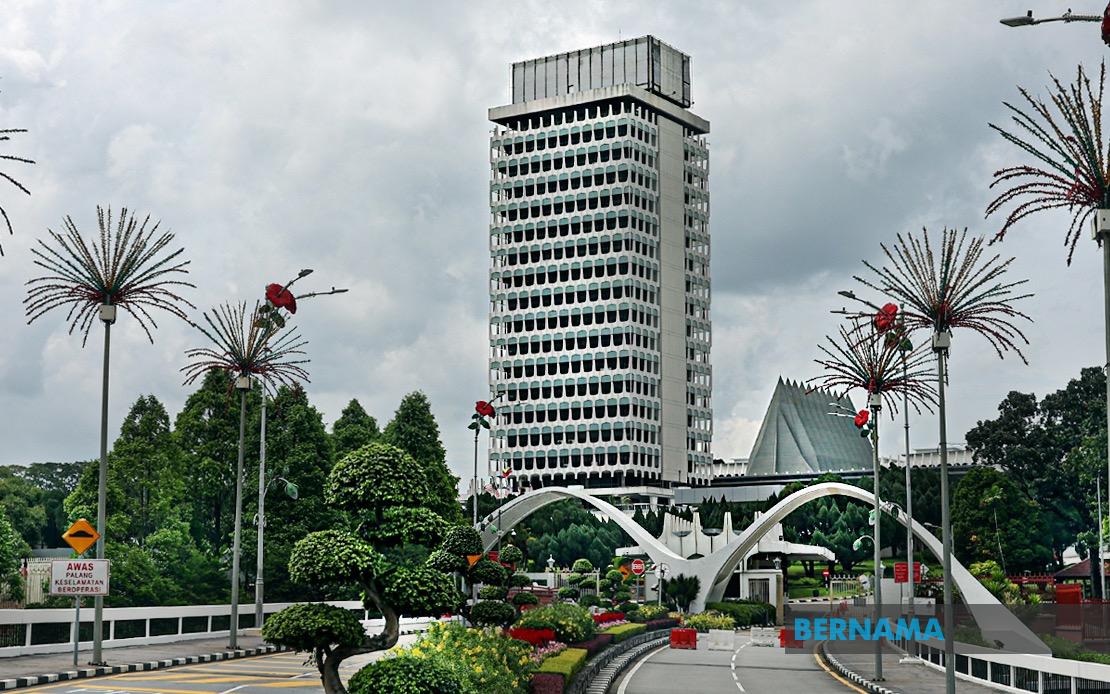
The Dewan Rakyat is set to undertake substantive scrutiny of the government's renewable energy agenda alongside critical foreign policy questions regarding Myanmar, as lawmakers gather for an extended parliamentary sitting running through mid-July. The agenda reflects mounting concerns across different political blocs about energy transition implementation, economic resilience amid global disruptions, and Malaysia's regional diplomatic positioning in an increasingly unstable Southeast Asian landscape.
The Corporate Renewable Energy Supply Scheme, a centrepiece of Malaysia's clean energy transition, faces parliamentary scrutiny regarding its uptake and effectiveness. Rodziah Ismail from Ampang has tabled questions seeking concrete data on how many industrial participants have enrolled in the CRESS framework and what progress has been achieved since launch. Beyond basic implementation metrics, her inquiry extends to the System Access Charge rate review, a technical but economically significant matter affecting Malaysia's ambitions to establish itself as a major regional data centre hub. The SAC determination directly influences operational expenditure for data facilities, which in turn shapes the nation's competitive positioning against rival jurisdictions in Singapore and Thailand that already host substantial digital infrastructure.
The interconnection between energy policy and data centre economics underscores a broader Malaysian strategic challenge: balancing climate commitments with industrial competitiveness. Rodziah's questions also target the Corporate Green Power Programme and Battery Energy Storage Systems deployment, recognising that renewable energy adoption cannot succeed without reliable storage solutions. These technical infrastructure questions carry immediate implications for Malaysia's digital economy ambitions, as data centres consume enormous amounts of electricity and increasingly face pressure from multinational clients to demonstrate low-carbon operations. Without addressing the SAC framework transparently, Malaysia risks losing investment to neighbours with clearer cost structures.
Economic vulnerability stemming from the global energy crisis commands separate parliamentary attention. Mohd Syahir Che Sulaiman from Bachok will interrogate the National Economic Action Council's response to demonstrable job losses and business contractions, pressing for evidence of mitigation effectiveness. This line of questioning reflects widespread anxiety among business communities across Malaysia that the confluence of energy price volatility, geopolitical uncertainty, and supply chain disruptions threatens employment stability. The government must articulate not merely policy intentions but measurable outcomes—a challenge when immediate economic headwinds show little sign of abating.
Fuel subsidy targeting represents another contentious parliamentary focus, with Datuk Seri Hasni Mohammad questioning the logic behind standardised fuel subsidies through MyKad verification for diesel purchases. The 200-litre entitlement framework underpinning current policy requires Defence Ministry justification, particularly regarding whether this allocation genuinely meets consumer needs or reflects arbitrary administrative convenience. Malaysia's fuel subsidy regime remains economically inefficient and prone to cross-border smuggling; parliamentary pressure for reform is mounting, yet the Finance Ministry faces political complications in adjusting entitlements without triggering public backlash.
Myanmar dominates the foreign policy agenda, with William Leong Jee Keen directly questioning how Malaysia's official stance reflects progress under the Five-Point Consensus negotiated by the Association of Southeast Asian Nations. Since the February 2021 military coup, Myanmar has descended into armed conflict with growing humanitarian catastrophe; the 5PC framework—intended to guide ASEAN's diplomatic response—has achieved minimal tangible results. Malaysia must clarify whether its foreign policy adapts to ground realities or remains wedded to ineffectual consensus mechanisms. This parliamentary interrogation suggests frustration with ASEAN's paralysis and hints at potential Malaysian demands for a more assertive regional approach.
Data sovereignty and national security intersect in Datuk Seri Amirudin Shari's questions regarding the alignment of state-level digital infrastructure initiatives with national requirements. Selangor's Dark Fiber Network represents legitimate state-level development, yet requires coherent integration into broader data sovereignty frameworks protecting Malaysian interests against foreign surveillance and data extraction. Amirudin's inquiry extends to artificial intelligence readiness by 2030, demanding clarity on whether data protection undergirds Malaysia's AI ambitions or remains an afterthought to technological adoption timelines. This represents sophisticated parliamentary engagement with digital governance complexity rather than mere procedural questioning.
Islamic education curriculum effectiveness occupies Prime Ministerial attention, with Datuk Idris Ahmad requesting assessment of how Islamic religious instruction contributes to holistic student development and whether federal-state coordination ensures consistent standards. This question acknowledges Malaysia's plural education architecture, wherein Islamic affairs remain substantially devolved to state governments, potentially creating quality inconsistencies. The inquiry suggests concern that Islamic education serves primarily doctrinal instruction rather than integrated character formation, a pedagogical tension particularly relevant in multicultural Malaysia.
Malaysia Agreement 1963 implementation generates sustained parliamentary pressure, with Isnaraissah Munirah Majilis from Sabah pressing for concrete progress timelines on increasing parliamentary representation for East Malaysian states to 35 percent of total seats. This longstanding grievance reflects East Malaysian perceptions that the federation systematically underrepresents Sabah and Sarawak despite their constitutional significance and resource contributions. The MA63 review represents unfinished constitutional business with substantial implications for federal-state relations and Sabahans' sense of equitable participation in national governance.
Private healthcare cost escalation receives urgent attention through a Public Accounts Committee briefing on health insurance premium increases and private hospital charges, matters spanning Finance Ministry, Health Ministry, and Bank Negara Malaysia jurisdiction. This cross-institutional review signals parliamentary recognition that healthcare affordability affects macroeconomic stability and social cohesion. Rising private sector healthcare costs pressure middle-income households and may incentivise exodus from inadequately funded public facilities, potentially creating two-tier systems incompatible with Malaysia's egalitarian healthcare aspirations.
Parliamentary deliberation of the Prisons Amendment Bill 2026 follows these substantive interrogations, addressing penal system reforms requiring legislative scrutiny. The 16-day sitting commencing June 22 provides extended opportunity for committee reviews, ministerial accountability, and legislative refinement—a parliamentary schedule reflecting the government's commitment to systematic policy scrutiny rather than rushed legislative processes.
This parliamentary agenda reflects Malaysia's navigation of interconnected challenges: energy transition urgency, economic resilience amid global disruption, unresolved regional diplomatic questions regarding Myanmar, digital infrastructure development, educational quality assurance, constitutional equity for East Malaysia, and healthcare system sustainability. The breadth suggests a government attempting comprehensive policy engagement, though parliamentary pressure indicates stakeholder frustration that implementation lags ambition.

