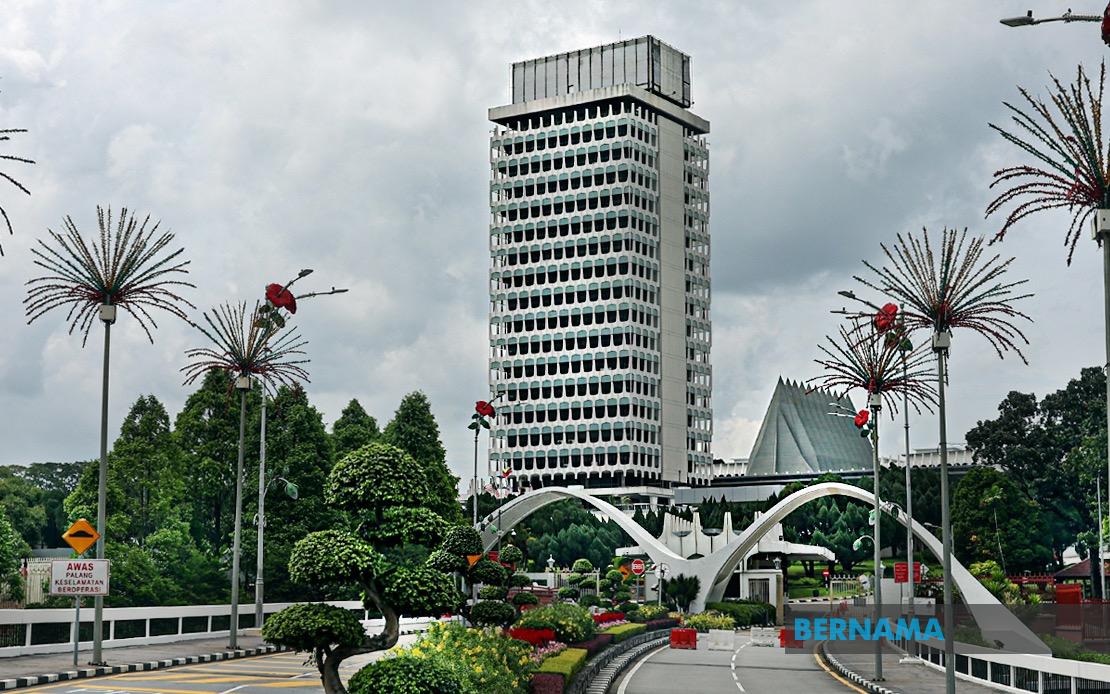
The Dewan Rakyat convenes today for a 16-day parliamentary session that will run through July 16, bringing into focus several pressing national concerns ranging from digital regulation to educational security and economic relief. Among the substantive issues lawmakers will examine are the implementation framework for the Online Safety Act 2025 (Act 886), safety protocols within the nation's school system, and targeted support mechanisms for small businesses struggling with logistics costs exacerbated by the prolonged West Asia crisis. The breadth of topics signals Parliament's attempt to address interconnected challenges affecting citizens across multiple sectors.
The Online Safety Act 2025 remains a focal point as the government advances its digital regulation agenda. Rodziah Ismail from Pakatan Harapan representing Ampang will press the Communications Minister for comprehensive details regarding the 10 subsidiary instruments—encompassing regulations, guidelines, and associated frameworks—currently under development to operationalize the legislation. Her questioning will seek clarity on the regulatory objectives underpinning each instrument, their key provisions, the scope of their application, and the timeline for completion. This line of inquiry reflects broader parliamentary concerns about ensuring that regulatory instruments are transparent, proportionate, and effectively coordinated across government agencies tasked with implementation. The subsidiary instruments are critical because they will ultimately determine how the Online Safety Act functions in practice, affecting platforms, users, and content creators across Malaysia.
School safety represents another critical dimension of today's parliamentary agenda, with education stakeholders recognizing that student wellbeing extends beyond academic performance. Roslan Hashim, representing Kulim Bandar Baharu under Perikatan Nasional, will ask the Education Minister to account for pupil safety across the nation's schools and to articulate the measures being deployed to maintain secure school environments. His focus encompasses prevention of accidents, tackling bullying—an issue gaining increased attention as cyberbullying intersects with physical schooling—and addressing broader security threats. This question acknowledges that schools function as complex institutions where students spend formative hours and where safety infrastructure must accommodate competing demands of open educational environments and controlled security measures.
Economic relief for small traders and micro-enterprises facing disruption from the West Asia crisis will occupy parliamentary time as lawmakers address supply chain vulnerabilities affecting Malaysia's business ecosystem. Datuk Andi Muhammad Suryady Bandy, representing Kalabakan under Barisan Nasional, will ask the Finance Minister to outline immediate interventions targeting micro, small and medium enterprises (MSMEs), hawkers, and traders grappling with elevated logistics costs and supply chain disruptions. The crisis in West Asia has created cascading effects across global commerce, and Malaysian small businesses—which typically operate with limited financial buffers—face particular vulnerability to sustained cost increases and delivery complications. Parliamentary scrutiny of financial relief measures reflects recognition that these enterprises constitute vital employment sources and community economic anchors.
Transport infrastructure development will surface during question time when Datuk Seri Dr Wee Ka Siong from Ayer Hitam seeks an update on the Johor Elevated Autonomous Rapid Transit (E-ART) project. This elevated transit system represents significant capital investment in Johor's transportation infrastructure and carries implications for urban mobility, congestion reduction, and regional economic competitiveness. Progress reports on such major projects provide Parliament with oversight mechanisms while allowing ministers to communicate implementation status to constituents and stakeholders monitoring the initiative.
Road safety concerns will also feature in parliamentary questioning, though details on specific measures remain partially incomplete in today's agenda. The inclusion of road safety matters indicates ongoing parliamentary vigilance regarding traffic safety standards, infrastructure design, and accident prevention—issues with direct bearing on public welfare across Malaysia's expanding road networks.
Healthcare financing in Sabah will receive attention when Datuk Shahelmey Yahya from Putatan questions the Health Minister about potential impacts of government fiscal adjustment policies on public healthcare delivery and facility development in the state. This inquiry reflects concerns that budgetary rationalization measures might disproportionately affect healthcare infrastructure expansion and service provision in a geographically dispersed state where healthcare access presents distinct challenges compared to more densely populated regions.
Cybersecurity implications of proposed social media age restrictions will occupy Parliament's attention through questioning from Riduan Rubin, the independent member for Tenom. He will ask the Home Affairs Minister to assess national cybersecurity risks that might accompany introduction of a minimum age requirement of 16 for social media access. This question indicates Parliament's recognition that regulatory interventions in the digital sphere generate secondary security considerations—potential increases in underage users accessing unregulated platforms, verification fraud, and enforcement challenges that might create new vulnerabilities.
Legislative business scheduled for the sitting includes the Competition (Amendment) Bill 2026, which will advance to second reading under the stewardship of the Minister of Domestic Trade and Cost of Living. Competition law amendments carry significance for market regulation, consumer protection, and commercial dispute resolution mechanisms, affecting how businesses interact and how regulators maintain market integrity.
The parliamentary session's extended 16-day duration through July 16 permits substantive examination of these interconnected issues rather than superficial treatment. The range of topics—spanning digital safety, education, economic support, transport infrastructure, fiscal policy, and competition law—reflects the multifaceted challenges facing contemporary Malaysia. The questioning process allows backbench members to scrutinize executive action, extract accountability, and raise constituent concerns through formal parliamentary mechanisms.
For Malaysian observers, these proceedings demonstrate Parliament functioning as an accountability institution where diverse political factions interrogate government performance across policy domains. The questions selected for today's sitting signal legislative priorities and reveal which issues have mobilized parliamentary members across party lines—a gauge of issues receiving political salience beyond executive agendas.

