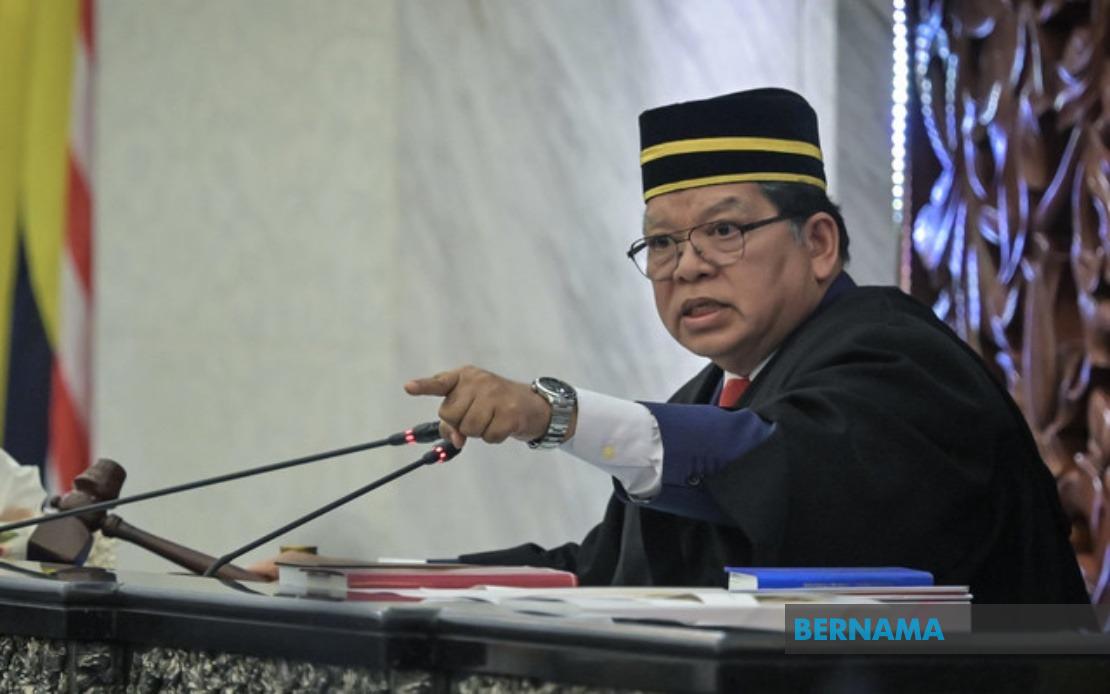
Dewan Rakyat Speaker Tan Sri Dr Johari Abdul has renewed calls for all Members of Parliament to commit to regular health screenings, citing the sudden illness of a colleague as a stark reminder of the importance of preventive healthcare. Speaking before the commencement of question-and-answer proceedings in the Lower House, Johari underscored that early detection of health complications can prove life-saving, particularly for those engaged in the demanding and often high-stress environment of parliamentary work.
The speaker's intervention follows an incident on the previous day in which Kuala Terengganu MP Datuk Ahmad Amzad Hashim fell ill while seated in Parliament and required emergency transfer to the National Heart Institute (IJN) for urgent medical treatment. According to his office, Hashim suffered the health episode during the Minister's Question Time session and had been scheduled to contribute to parliamentary deliberations on the 2024 Annual Report of the Human Rights Commission of Malaysia. The timing of the incident, occurring during formal proceedings with medical facilities at hand, underscores both the unpredictability of serious health events and the importance of awareness among legislators.
Johari emphasised that the annual health screening initiative, now in its second year of implementation, represents a critical intervention designed to identify potential cardiovascular, metabolic, and other systemic health risks before they become emergencies. He stressed to members that these screenings should not be viewed as routine formalities but as essential safeguarding mechanisms, particularly given the sedentary nature of parliamentary work combined with high levels of occupational stress. The speaker's framing of the issue positions preventive healthcare as both a personal responsibility and an institutional priority, reflecting growing recognition across government that the health of elected representatives directly affects their capacity to serve constituents effectively.
The annual screening programme operates through collaboration between the Dewan Rakyat and the Ministry of Health, representing a coordinated approach to parliamentary wellness. Since its launch in 2023, the initiative has been rolled out consistently, with Johari expressing gratitude to both participating MPs and Ministry of Health officials for their sustained engagement with the programme. This institutional partnership suggests that health screening is being embedded within parliamentary culture rather than treated as a one-off initiative, indicating longer-term commitment to legislator wellbeing.
For Malaysian readers, the situation carries broader implications about occupational health management in high-pressure environments. Parliamentary work demands extended hours, intense scrutiny, and significant mental exertion, yet healthcare provision specifically tailored to legislators has traditionally been limited. The speaker's advocacy signals a recognition that Members of Parliament require targeted health interventions comparable to those offered in corporate or medical settings. This mirrors international best practices in several Commonwealth legislatures, where legislator health and wellness programmes have become increasingly formalised.
Johari articulated a comprehensive vision of what early detection enables, moving beyond simple disease identification to encompass lifestyle modification, pharmaceutical intervention, and coordinated medical care. By framing screenings this way, he positioned them as gateways to proactive rather than reactive medicine, potentially preventing hospitalisation emergencies altogether. The recent incident involving Hashim serves as practical validation of this approach, demonstrating the vulnerability to acute health events that can strike with little warning even within a secure parliamentary environment.
The speaker's implicit message to colleagues extended beyond individual health concerns to institutional functionality. Parliament operates most effectively when members are physically and mentally well, capable of sustained intellectual engagement, clear reasoning, and conscientious constituent service. Health crises among MPs generate disruption, force absences that affect quorum and debate participation, and can precipitate succession or by-election processes. By encouraging screening, Johari framed health management as contributing to parliamentary stability and effectiveness rather than as a personal indulgence.
For Kuala Terengganu MP Hashim, the incident represents a concerning health event that will likely prompt careful medical evaluation and potential lifestyle adjustments. His parliamentary colleagues are undoubtedly observing his recovery closely, with his situation reinforcing the speaker's message about healthcare vigilance. The incident also highlights that health problems can strike unexpectedly regardless of age, position, or apparent fitness, a reality that resonates particularly strongly in parliamentary settings where member welfare directly affects institutional capacity.
The speaker's emphasis on health screening reflects evolving understanding of occupational health as a governance issue rather than purely individual concern. In Malaysia's context, where parliamentary oversight and legislative scrutiny remain essential democratic functions, ensuring that MPs maintain optimal health becomes a public interest question. The collaboration between Parliament and the Ministry of Health demonstrates institutional recognition that systematic approaches to legislator wellness require coordinated effort and sustained resource commitment rather than ad hoc responses to health crises.
Moving forward, the speaker's intervention is likely to increase health screening participation rates among MPs, particularly given the dramatic illustration provided by Hashim's hospitalisation. The incident transforms abstract health advice into concrete, visible evidence of vulnerability, potentially motivating greater uptake of preventive services. As Parliament continues to refine its health and wellness infrastructure, the episode will likely inform discussions about extending screening programmes, improving on-site medical capability, and developing health promotion initiatives tailored to parliamentary environment demands.

