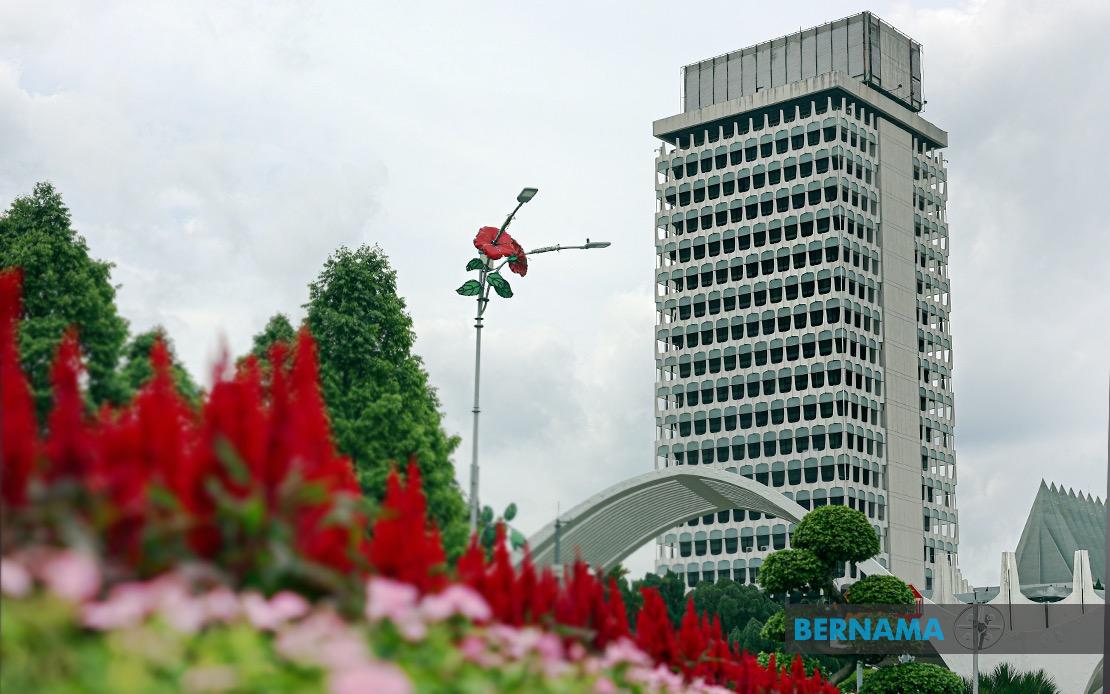
Malaysia's Dewan Rakyat is preparing for substantive debate on three pressing matters that reflect the country's evolving engagement with global institutions, regional food security dynamics, and strategic defence considerations. The parliamentary sitting, which began in mid-July and extends through July 16, has assembled an agenda that signals growing concern over interconnected international challenges affecting Malaysian interests and Southeast Asian stability.
At the forefront of parliamentary scrutiny is Malaysia's position on reforming the United Nations Security Council, an issue that underscores persistent frustrations among middle-power nations regarding their marginalisation in global decision-making processes. Datuk Seri Sh Mohmed Puzi Sh Ali, representing the Pekan constituency, will press the Foreign Minister to clarify how Malaysia intends to advance structural reforms that would dilute the disproportionate influence wielded by permanent members through their veto authority. This line of questioning reflects a broader regional sentiment that the UN's post-1945 architecture increasingly fails to reflect contemporary geopolitical realities and the legitimate aspirations of developing economies seeking greater voice in international affairs.
Malaysia's advocacy for UN reform carries particular weight given its previous chairmanship of the Non-Aligned Movement and its historical positioning as a champion of equitable international representation. The government's strategic approach to this issue will likely emphasise coalition-building with fellow developing nations while maintaining pragmatic relationships with established powers. For Malaysian policymakers, stronger UN participation translates into enhanced capacity to shape discussions on trade, climate action, and regional security arrangements that directly affect the country's strategic interests and economic welfare.
Food security represents the second major concern dominating parliamentary attention, reflecting acute anxieties about Malaysia's vulnerability to global supply disruptions. Shaharizukirnain Abd Kadir will interrogate the Agriculture and Food Security Minister regarding comprehensive contingency frameworks designed to mitigate the projected food supply shortfall. This inquiry arrives against the backdrop of escalating agricultural input costs—fertilisers, fuel, and feedstuffs—directly attributable to the ongoing West Asia conflict and broader supply chain destabilisation. For Malaysia, which imports substantial quantities of essential foodstuffs, these cost pressures threaten both consumer price stability and the viability of domestic agricultural producers.
The government's approach to bolstering domestic food self-sufficiency has involved targeted incentive packages directed toward agricultural states. Parliamentary scrutiny seeks to evaluate whether these measures have meaningfully enhanced production levels or merely provided temporary relief without addressing structural productivity gaps. Malaysia's experience mirrors challenges confronting other food-importing Southeast Asian nations, rendering parliamentary oversight of agricultural policy particularly valuable as potential models for regional cooperation. Enhanced self-sufficiency in staple crops and animal protein production would simultaneously reduce foreign exchange outlays and strengthen resilience against future supply shocks.
Military supply chain vulnerabilities constitute the third pillar of parliamentary concern. Datuk Awang Hashim will question the Defence Minister regarding the extent to which Malaysian Armed Forces dependence on foreign suppliers constrains national strategic planning and exposes procurement processes to geopolitical leverage. The inquiry focuses on concrete risks including supply interruptions, delivery delays, and contract cancellations—challenges that have intensified amid great-power competition and sanctions regimes affecting defence industrial bases. For Malaysia, which operates defence systems from multiple nations, ensuring supply reliability and maintaining operational readiness demands sophisticated supplier relationship management and strategic diversification.
This defence-focused questioning reflects broader Southeast Asian concerns about potential disruption to military modernisation programmes and logistics networks should suppliers face political or economic pressure. Nations that depend heavily on defence imports from geopolitically aligned suppliers face enhanced risk during periods of international tension or conflict. Malaysia's parliamentary examination of this issue suggests growing recognition that genuine strategic autonomy requires either developing indigenous defence industrial capacity or cultivating relationships with multiple, geopolitically diverse suppliers capable of providing reliable support regardless of international circumstances.
Parallel to these policy interrogations, parliament will advance the legislative agenda through first reading of seven government bills, including instruments addressing communications regulation and the formal recognition of social work as a profession. The Communications and Multimedia amendments and related Malaysian Communications and Multimedia Commission legislation reflect ongoing efforts to modernise Malaysia's digital governance framework. Meanwhile, the Social Work Profession Bill represents an important step toward professionalising social service delivery, establishing qualifications and regulatory standards that enhance service quality and practitioner accountability.
Parliament will also resume debate on the Control of Paddy and Rice (Amendment) Bill 2026, which directly connects to broader food security discussions. This legislation presumably addresses regulatory frameworks governing Malaysia's rice sector, potentially incorporating provisions designed to enhance production efficiency, ensure fair pricing mechanisms, or strengthen farmer support systems. The interconnection between rice sector reform and food security policy demonstrates parliament's systematic approach to addressing vulnerabilities across multiple dimensions of agricultural sustainability.
The 16-day sitting schedule reflects parliament's intensive engagement with pressing national and international concerns. By concentrating substantive debate across interconnected policy areas—international governance, food security, defence capacity, and regulatory modernisation—legislators signal recognition that Malaysia's prosperity and security increasingly depend on sophisticated navigation of globalisation's opportunities and risks. The parliamentary questions and legislative proceedings will likely reveal both government priorities and opposition perspectives on whether current policy frameworks adequately protect Malaysian interests across these critical domains.
For Malaysian citizens and regional observers, this parliamentary session offers instructive perspective on how a Southeast Asian democracy addresses emergent security challenges while maintaining institutional processes for public accountability and policy scrutiny. The combination of questioning focused foreign policy positioning, agricultural vulnerability, military readiness, and social service standards reflects the multifaceted character of contemporary governance challenges transcending traditional boundaries between domestic and international policy spheres.

