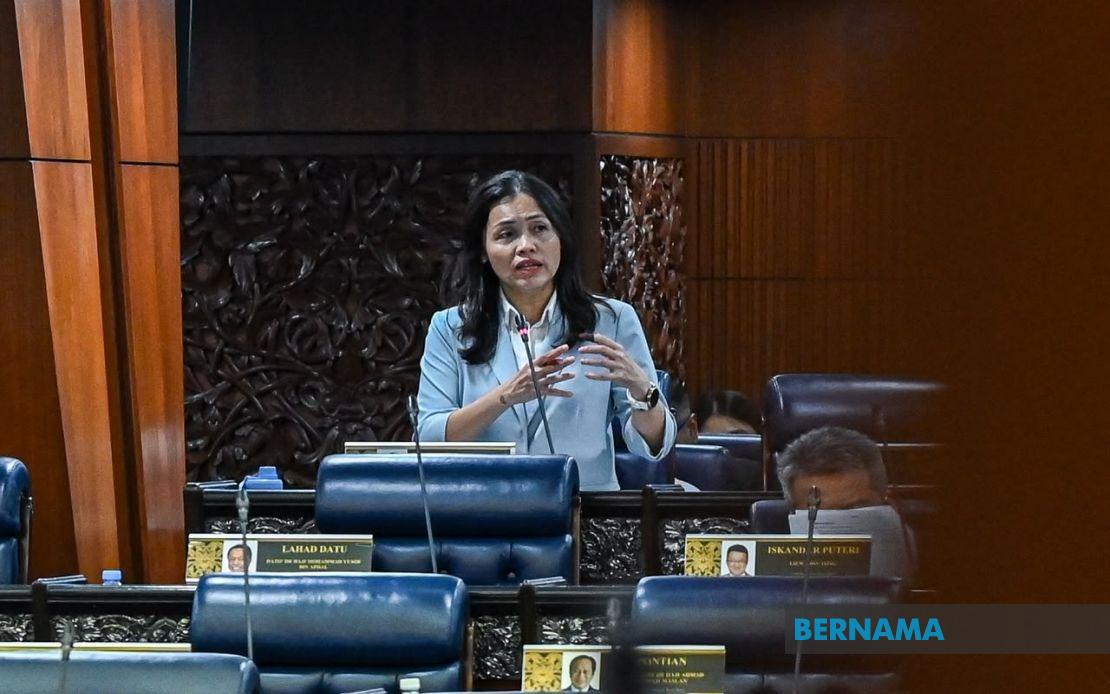
The Dewan Rakyat has endorsed the Communications and Multimedia (Amendment) Bill 2026, marking a significant step in modernising Malaysia's digital regulatory framework. The legislative approval on July 15 reflects growing parliamentary consensus that the country's telecommunications laws must adapt to contemporary technological realities and emerging security threats. The amendments represent a deliberate effort to calibrate the nation's communications ecosystem without imposing financial burdens on ordinary users—a concern that featured prominently during floor discussions among the 18 MPs who participated in debate.
Deputy Communications Minister Teo Nie Ching outlined the core rationale during her closing remarks, emphasising that rapid technological change, shifting geopolitical circumstances, and Malaysia's expanding dependence on interconnected digital systems necessitated legislative action. The framework itself targets a specific dimension of telecommunications regulation: the National Universal Service Provision initiative, which will now embed national security considerations into universal service obligations. This represents a conceptual shift from treating universal service solely as an accessibility and affordability mandate toward viewing it as a strategic infrastructure resilience concern.
Central to the amendment is the introduction of the National USP initiative, designed to guarantee that communications services remain secure, resilient, reliable, and uninterrupted across Malaysia. By incorporating security elements into universal service obligations, the government signals recognition that basic telecommunications access and network integrity are interconnected public goods. The initiative specifically addresses network facility installation and application service delivery, deliberately staying within the communications and multimedia regulatory domain rather than expanding into jurisdictions managed by other government agencies.
A critical assurance provided during parliamentary discussion concerns funding mechanisms and consumer protection. Teo stressed that the USP Fund, which finances the initiative, draws contributions exclusively from licensed telecommunications providers operating under the existing legislative framework. Revenues cannot be redirected to unrelated purposes, and costs will not be transferred to end users through rate increases. This safeguard addresses a legitimate concern that infrastructure development initiatives sometimes culminate in consumer surcharges, a sensitive issue in a market-conscious electorate.
Rural and remote connectivity emerged as a paramount concern throughout the debate, reflecting longstanding disparities in service availability across Malaysia's diverse geography. Datuk Suhaimi Nasir, representing Libaran, highlighted the imperative to prioritise communications expansion in Sabah's rural, interior, coastal, and island communities. His intervention underscored a fundamental democratic principle: that citizens in disadvantaged areas should not endure communication deficits, particularly during emergencies or natural disasters when reliable networks become lifelines for coordinating rescue efforts and delivering humanitarian assistance. This dimension links infrastructure development directly to disaster response capacity and social equity.
Concerns about fiscal transparency and resource allocation preservation also surfaced during proceedings. Datuk Mohd Suhaimi Abdullah from Langkawi requested formal disclosure of the Kumpulan Wang USP balance and itemised plans for fund utilisation. His intervention reflects parliamentary scrutiny aimed at preventing infrastructure development funds from being diverted away from their intended rural beneficiaries. Such accountability mechanisms, while procedural, serve important oversight functions in ensuring that legislative intentions translate into tangible regional benefits rather than becoming rhetorical commitments.
Cybersecurity and digital threat resilience formed another substantive thread in parliamentary discourse. Datuk Shahelmey Yahya proposed that the Malaysian Communications and Multimedia Commission regularly publish updated typologies of digital manipulation techniques, enabling citizens to adopt protective measures for their personal and financial information. This suggestion recognises that technical infrastructure upgrades must be complemented by public awareness and individual digital literacy. Additionally, his call for the MCMC to deepen in-house cybersecurity expertise acknowledges that regulatory effectiveness depends not merely on legislative frameworks but on institutional capability and technical sophistication.
The amendment's scope is deliberately circumscribed to avoid regulatory overreach. Teo explicitly clarified that the bill does not expand Act 588's jurisdiction into domains governed by other agencies. Instead, amendments target the specific nexus between communications and multimedia regulation and the universal service provision framework. This jurisdictional precision matters because it respects institutional boundaries while addressing a genuine gap in existing law—the absence of explicit security provisions within universal service obligations.
For Malaysian stakeholders, the amendment's passage carries several implications. Telecommunications companies will need to reassess their infrastructure planning to align with evolving national security standards embedded in universal service obligations. Rural communities may anticipate accelerated network expansion under the USP initiative, though actual rollout timelines remain to be determined. Consumers receive legislative assurance that infrastructure development costs will not translate into service charges. Cybersecurity professionals and digital rights advocates will watch closely to ensure that security provisions do not inadvertently enable surveillance or restrict legitimate digital expression.
The broader Southeast Asian context adds significance to Malaysia's legislative action. Regional neighbours face analogous challenges balancing digital connectivity, infrastructure resilience, and security in an environment of rapid technological disruption and geopolitical tension. Malaysia's statutory approach—building security considerations into universal service frameworks rather than creating parallel regulatory regimes—offers a model for institutional coherence. The emphasis on rural connectivity addresses a development imperative shared across ASEAN, where uneven digital access perpetuates regional inequality.
Implementation will prove decisive. The MCMC's regulatory interpretation of the amendments and the pace at which telecommunications licensees invest in network upgrades will determine whether legislative intent translates into measurable improvements. Parliamentary committees monitoring USP Fund utilisation must remain active to verify that rural areas receive proportionate resource allocation. As technology continues evolving, future amendments may be necessary—an implicit recognition that static legislation struggles to address dynamic technological challenges.
The amendment's passage without imposing user charges represents a political choice reflecting Malaysian policymakers' preference for industry-funded infrastructure development over consumer cost-shifting. This approach succeeds only if telecommunications revenues remain robust and competitive dynamics preserve investment incentives. Monitoring this equilibrium will occupy regulatory attention as the framework matures. Ultimately, the amendment embodies an attempt to harmonise contemporary security imperatives with foundational telecommunications policy objectives—universal service access and affordability—though execution will determine whether this balance proves sustainable.

