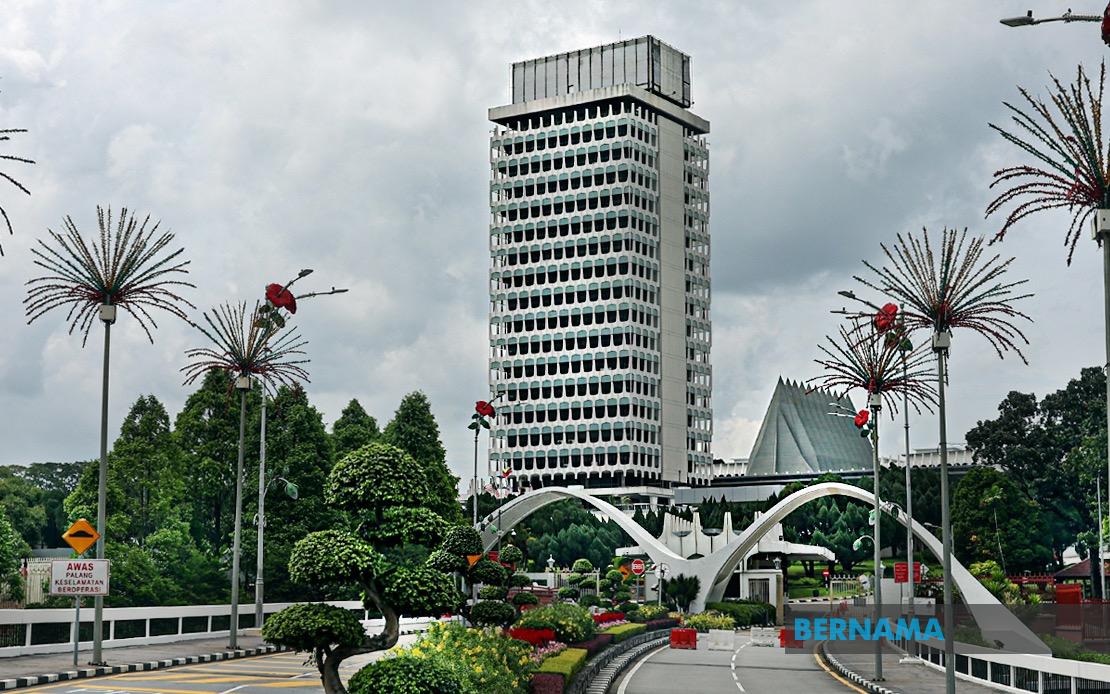
Parliament commenced its second meeting of the fifth session today with an expansive agenda addressing critical economic and regulatory challenges facing the nation. The 16-day sitting, which runs until July 16, will see lawmakers tackle a range of issues from geopolitical supply chain threats to emerging digital security concerns, reflecting the complex intersection of global instability and technological advancement that increasingly shapes Malaysia's policymaking landscape.
The Strait of Hormuz has emerged as a focal point for parliamentary concern regarding Malaysia's economic resilience. Datuk Dr Richard Rapu @ Aman anak Begri, representing Betong through the GPS coalition, will press the Economy Minister for a comprehensive assessment of how disruptions to maritime trade through this critical chokepoint are translating into tangible costs for domestic industries. This line of questioning goes beyond mere academic interest; with approximately 30 per cent of the world's seaborne traded oil passing through the Strait, any sustained interruption reverberates through supply chains globally and directly impacts Malaysian manufacturers reliant on energy imports and time-sensitive logistics. The dialogue will also examine inflationary pressures recorded in the second quarter of 2026, seeking to establish causation between external geopolitical shocks and domestic price movements that affect ordinary Malaysians.
Beyond immediate operational challenges, Rapu will seek clarity on how the government intends to sustain Malaysia's Gross Domestic Product growth targets under the 13th Malaysia Plan should the global economy experience prolonged recession. This question signals deeper anxieties about whether current contingency frameworks are sufficiently robust to weather a perfect storm of supply disruptions, demand contraction, and rising input costs simultaneously. For Malaysian manufacturers and businesses already grappling with elevated operational expenses, such reassurance carries significant weight in determining investment and hiring decisions in the months ahead.
The hajj management system has generated separate parliamentary scrutiny, with Onn Abu Bakar of Batu Pahat directing his questions toward the Prime Minister regarding reforms planned for the 2027 pilgrimage season. The Malaysian pilgrimage experience has long been shadowed by complaints about mounting costs, extended waiting periods that can span years, and inadequate health safeguards during the physically demanding journey. His focus on these three dimensions reflects legitimate public grievances; as hajj expenditure consumes substantial household savings and even necessitates bank loans for many families, any improvements to affordability and efficiency would deliver tangible relief to Malaysia's Muslim population. Enhanced medical supervision and welfare protocols equally matter given health risks inherent in congregating with millions of pilgrims in Mecca's intense climate.
Artificial intelligence governance has surfaced as an urgent parliamentary concern, with Wong Shu Qi of Kluang questioning whether the pending AI Governance Bill will adequately criminalise and prevent malicious applications including deepfake creation, identity fraud, and non-consensual distribution of explicit content. This query addresses a regulatory gap that has widened as AI capabilities have advanced faster than legislative frameworks. The proliferation of deepfake technology poses particularly acute dangers in the context of child exploitation and image-based sexual abuse, harms that traditional legal instruments struggle to address with sufficient precision. For Malaysia, where digital adoption rates have soared across both urban and rural demographics, failure to embed comprehensive AI safeguards into governing legislation risks allowing harmful technologies to proliferate before remedial action becomes politically viable.
Food security implications of the Middle East conflict command parliamentary attention from Datuk Dr Radzi Jidin representing Putrajaya. His enquiry to the Agriculture and Food Security Minister seeks enumeration of short-, medium-, and long-term government interventions designed to shield Malaysia from regional instability's knock-on effects on global commodity markets and agricultural production. Malaysia's dependence on imports for substantial portions of its food requirements means that regional conflicts affecting major producers or shipping lanes can rapidly translate into supermarket price spikes and supply shortages. Understanding what protective measures the government has deployed or contemplates reveals whether policymakers have genuinely internalised lessons from previous supply crises or remain reactive rather than proactive.
The legislative agenda encompasses the tabling of the Cybercrime Bill 2026, signalling intensified parliamentary focus on digital security and online criminal activity. This measure arrives at a moment when cybercrime sophistication has accelerated, with organised networks targeting everything from financial institutions to individual data holders. The bill's contours remain partially opaque at this stage, but its advancement through Parliament suggests the government recognises that existing legal frameworks inadequately address the velocity and complexity of modern digital threats. Equally, the Road Transport Act amendments indicate ongoing attention to vehicular regulation, likely reflecting evolving safety considerations and enforcement requirements.
Collectively, today's parliamentary programme illuminates how Malaysia's policymakers are attempting to navigate a landscape characterised by simultaneous pressures from global supply chain fragmentation, technological disruption, regional geopolitical volatility, and domestic demand for improved public services. The breadth of issues suggests neither complacency nor singular focus; rather, Parliament appears seized of the reality that national prosperity now depends on managing intersecting risks spanning energy security, financial stability, technological governance, and social welfare. For Malaysian businesses monitoring these proceedings, the outcomes of these debates will likely shape regulatory and fiscal environments throughout the coming year, warranting close attention to how ministers respond and whether parliamentary questioning translates into concrete policy adjustments or remains rhetorical exercise.
%22%2F%3E%3C%2Fpattern%3E%3C%2Fdefs%3E%3Crect%20width%3D%22100%25%22%20height%3D%22100%25%22%20fill%3D%22url(%23ph186wvg)%22%2F%3E%3Crect%20width%3D%22100%25%22%20height%3D%22100%25%22%20fill%3D%22url(%23ph186wvp)%22%2F%3E%3Ctext%20x%3D%2250%25%22%20y%3D%2250%25%22%20text-anchor%3D%22middle%22%20dominant-baseline%3D%22central%22%20fill%3D%22rgba(255%2C255%2C255%2C0.95)%22%20font-family%3D%22Georgia%2C%20'Times%20New%20Roman'%2C%20serif%22%20font-weight%3D%22700%22%20font-size%3D%22151%22%20letter-spacing%3D%22-0.02em%22%3ESoutheast%3C%2Ftext%3E%3C%2Fsvg%3E)
%22%2F%3E%3C%2Fpattern%3E%3C%2Fdefs%3E%3Crect%20width%3D%22100%25%22%20height%3D%22100%25%22%20fill%3D%22url(%23ph2c817g)%22%2F%3E%3Crect%20width%3D%22100%25%22%20height%3D%22100%25%22%20fill%3D%22url(%23ph2c817p)%22%2F%3E%3Ctext%20x%3D%2250%25%22%20y%3D%2250%25%22%20text-anchor%3D%22middle%22%20dominant-baseline%3D%22central%22%20fill%3D%22rgba(255%2C255%2C255%2C0.95)%22%20font-family%3D%22Georgia%2C%20'Times%20New%20Roman'%2C%20serif%22%20font-weight%3D%22700%22%20font-size%3D%22136%22%20letter-spacing%3D%22-0.02em%22%3EBangladesh%3C%2Ftext%3E%3C%2Fsvg%3E)