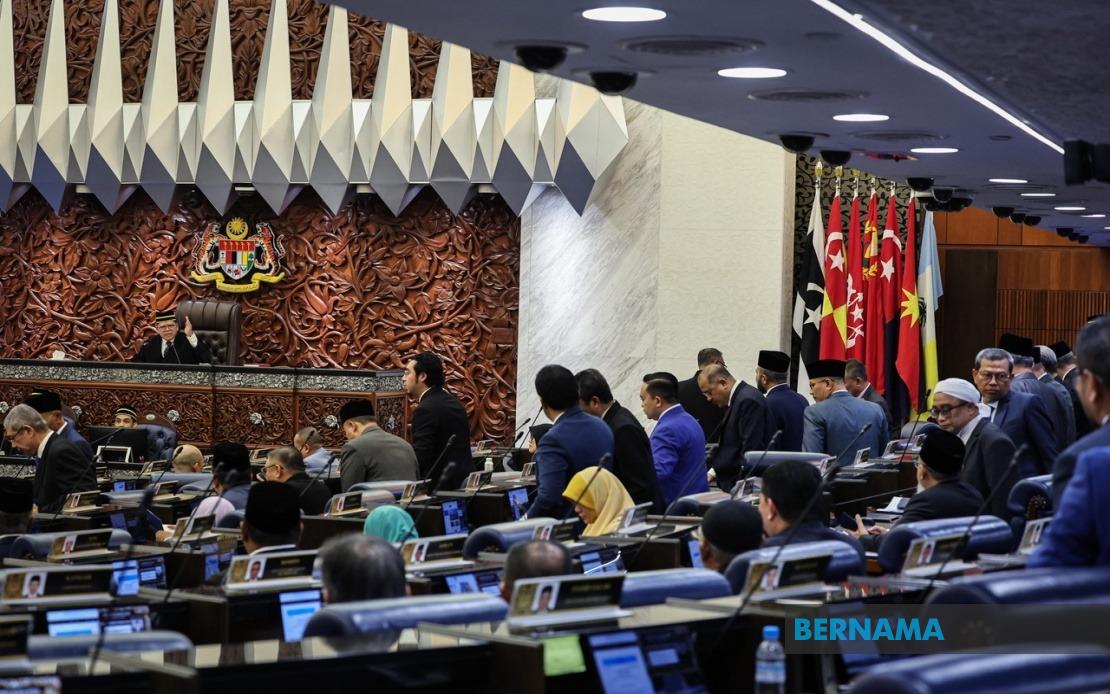
Parliament has opened its doors for a comprehensive examination of the Royal Commission of Inquiry findings on Lembaga Tabung Haji, with the Dewan Rakyat Speaker confirming that lawmakers from across the political divide have been granted ample opportunity to scrutinize the report in detail. The special sitting represents a significant moment for legislative oversight, as parliamentarians prepare to dissect the conclusions and recommendations of an inquiry that has attracted considerable public attention regarding the management of the pilgrim's fund.
Speaker Tan Sri Johari Abdul clarified that the exceptional parliamentary session was convened in accordance with Standing Order 11(3) of the Dewan Rakyat's procedural framework, following a formal request submitted by Prime Minister Datuk Seri Anwar Ibrahim. This procedural mechanism allows for flexibility in scheduling parliamentary business when matters of significant national importance require urgent consideration and debate. The invocation of these standing orders underscores the gravity with which the government is treating the RCI's conclusions and the need for formal parliamentary engagement with its findings.
The Speaker emphasized his role in facilitating this debate, noting that his approval of the special sitting was necessitated by the procedural requirements outlined in Standing Order 11(3). Rather than acting arbitrarily, Tan Sri Johari Abdul stressed that he was bound by the established parliamentary rules when considering the Prime Minister's request. This adherence to procedural protocol reflects the importance of maintaining institutional integrity even when expediting legislative business on matters of public concern.
Transparency in governance emerged as a central theme in the Speaker's remarks, with the special sitting designed to enable robust parliamentary discussion of the RCI report's key findings. The Dewan Rakyat, as the primary forum for democratic representation, provides the appropriate venue for such scrutiny, allowing elected representatives to voice concerns, seek clarifications, and propose remedial measures based on the inquiry's conclusions. This process serves both to inform the broader public and to ensure that government responses to the RCI recommendations receive proper legislative attention.
The significance of the special sitting extends beyond mere procedural formality. Tabung Haji, as a major financial institution managing funds for Malaysian pilgrims undertaking the Hajj, holds considerable importance for millions of Malaysians and their families. An RCI examining its operations touches on issues of fiduciary responsibility, investment management, and public trust in government-linked institutions. The parliamentary debate therefore carries weight not only for the institution itself but for public confidence in how the state manages trust funds on behalf of Malaysian citizens.
The opportunity for cross-party debate is particularly notable in the Malaysian legislative context. By opening the floor to members from both government and opposition benches, parliament creates space for diverse perspectives on the RCI's findings and potential remedies. This inclusive approach to parliamentary scrutiny can strengthen the ultimate policy responses, as they will have been tested against varied viewpoints and concerns articulated by the full spectrum of elected representatives.
For Southeast Asian observers monitoring parliamentary governance standards, Malaysia's handling of the RCI report debate demonstrates the continued relevance of Westminster-derived parliamentary traditions in the region. The formal procedures and emphasis on structured debate reflect institutional mechanisms designed to balance executive authority with legislative oversight. In an era when institutional strength is frequently questioned across the region, such displays of functioning parliamentary processes merit attention as indicators of democratic health.
The minister's briefing scheduled to follow the parliamentary debate represents another layer of accountability, with government officials expected to elaborate on the RCI's findings and outline intended responses. This sequential arrangement—first parliamentary debate, then ministerial briefing—creates a natural flow for public understanding of both the inquiry's conclusions and the government's action plan. The timing and structure acknowledge that informed public discourse depends on clear official explanation of complex institutional matters.
For ordinary Malaysians, particularly those with contributions invested in Tabung Haji, the parliamentary debate offers reassurance that their concerns are being taken seriously at the highest levels of governance. The formal parliamentary sitting validates the significance of the RCI itself and signals that any systemic issues uncovered will not be quietly addressed behind closed doors but will receive thorough airing in the nation's premier legislative forum. This public engagement with institutional problems, while sometimes uncomfortable for officials, ultimately strengthens public institutions by demonstrating responsiveness to citizen concerns and commitment to transparent resolution of governance issues.

