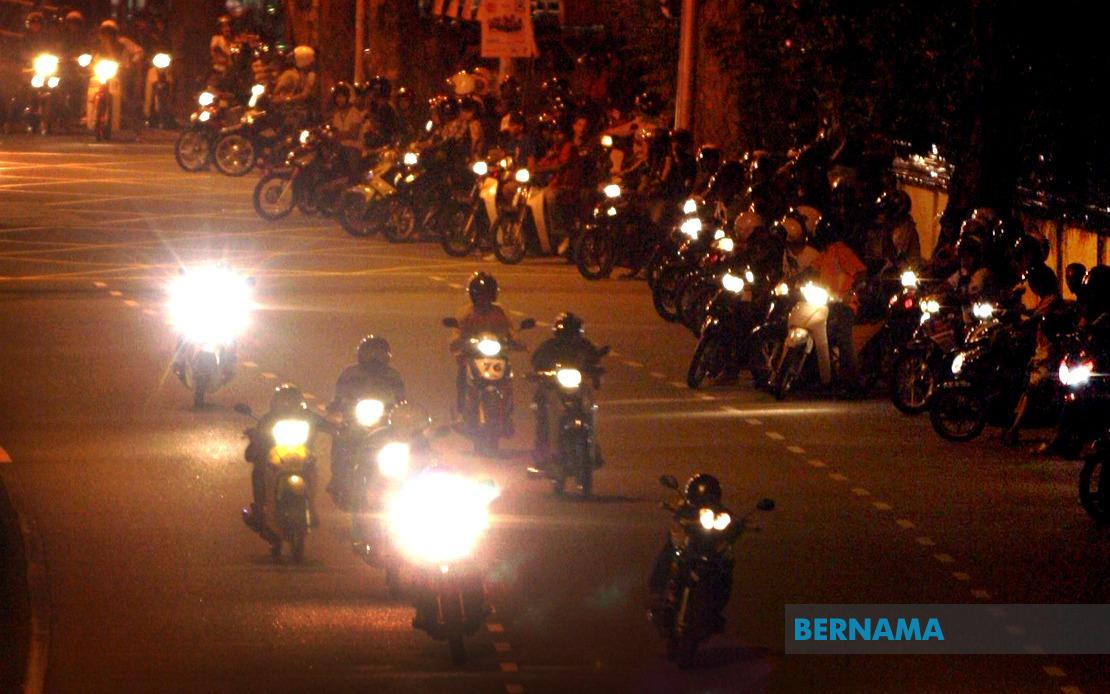
Legislators gathered in the Dewan Rakyat have intensified calls for comprehensive action against illegal street racing, proposing a bundle of enforcement mechanisms designed to curb a dangerous practice that continues to claim lives on Malaysian roads. The proposals emerged during parliamentary debate on the Road Transport (Amendment) Act 2026, where 24 government and opposition MPs tabled ideas reflecting growing frustration with the persistence of underground racing culture despite existing laws.
The most dramatic proposal centres on permanent revocation of driving licences for those convicted of illegal street racing. Datuk Willie Mongin from Puncak Borneo contended that such a measure would signal genuine governmental resolve, arguing that the penalty structure should include fines reaching RM300,000 or imprisonment of at least five years combined with the licence withdrawal. This approach represents an escalation beyond current penalties, targeting the practical ability of offenders to legally operate vehicles rather than relying solely on monetary and custodial consequences.
Beyond punitive measures, Khairil Nizam Khirudin of Jerantut championed a rehabilitation framework encompassing disciplinary training and community service obligations. His vision suggests that education and behavioural correction should accompany traditional penalties, acknowledging that many illegal racers are young individuals potentially responsive to structured intervention programmes. Such rehabilitation could address root causes of participation in racing culture, whether stemming from thrill-seeking behaviour, peer pressure, or poor decision-making rather than criminal intent.
Family accountability represents another dimension gaining parliamentary support. The Jerantut MP proposed that parents of individuals engaged in illegal racing face legal responsibility, framing the family unit as central to preventing youth involvement in dangerous activities. This approach reflects a community-centred philosophy that extends enforcement beyond individual offenders to household guardians, potentially creating home-level incentives to monitor young drivers' activities and associates.
The workshop dimension of the problem has attracted particular attention, with proposals to crack down on motorcycle modification establishments enabling street racing. Khairil Nizam suggested that the Ministry of Transport collaborate with the Ministry of Domestic Trade and Cost of Living to invoke Section 66 of the Road Transport Act 1987, establishing new regulatory frameworks targeting businesses that illegally enhance motorcycles. Such coordination could address the supply side of illegal racing infrastructure, removing the technical foundation upon which the underground racing scene depends.
Expanding enforcement scope to encompass all vehicle types emerged as a critical refinement to existing provisions. Wan Razali Wan Nor emphasised that Section 42A illegal racing provisions should apply uniformly across motorcycles and high-powered cars, not merely two-wheelers. His intervention directly referenced the tragic June 1 incident in Simpang Renggam, Johor, where luxury vehicles involved in illegal racing resulted in multiple fatalities, demonstrating that street racing dangers extend beyond the motorcycle subculture to encompass affluent drivers operating expensive automobiles at extreme speeds.
Property destruction as a deterrent gained backing from Setiu MP Shaharizukirnain Abd Kadir, who proposed that excessively modified motorcycles be seized and destroyed rather than retained as evidence or returned to owners. The rationale behind vehicle destruction lies in eliminating the physical tools of illegal racing and signalling that participation carries consequences for personal property, not merely legal liability. This represents a shift from rehabilitation-focused approaches toward more punitive deterrence philosophy.
Parallel to street racing concerns, parliamentarians raised related road safety issues concerning impaired driving. Multiple MPs, including Zahari Kechik and Datuk Seri Dr Ismail Abd Muttalib, urged strengthened provisions addressing alcohol and drug-impaired driving under Sections 44 and 45A to 45C of the Road Transport Act 1987. These lawmakers advocated establishing formal compensation mechanisms for hospital expenses and victim welfare resulting from accidents caused by intoxicated drivers, ensuring that offenders bear full financial responsibility for medical and social consequences inflicted on victims and their families.
The compensation framework proposed by legislators reflects recognition that victim support extends beyond criminal proceedings to encompass medical costs and ongoing welfare needs frequently unmet under current arrangements. By institutionalising compensation mechanisms, Parliament would embed victim protection into road safety legislation rather than treating it as ancillary to enforcement action. This approach acknowledges the human costs of traffic offences and creates direct financial incentives for offender accountability beyond abstract penalty provisions.
These parliamentary proposals collectively represent a comprehensive rethinking of illegal racing enforcement strategy, moving beyond singular punitive measures toward multi-dimensional approaches addressing behaviour change, community engagement, economic deterrence, and victim protection. The debate reflects broader Malaysian societal concerns about youth behaviour, automobile culture, and road safety amid rapid motorisation and urbanisation across the region.
For Malaysia's enforcement agencies and transport ministry, translating parliamentary proposals into workable legislation presents substantial challenges. Implementing permanent licence revocation requires clarifying rehabilitation pathways and appeal mechanisms; establishing functional rehabilitation programmes demands resource allocation and trained personnel; coordinating inter-ministry action against motorcycle modification workshops requires defining clear regulatory boundaries; and institutionalising victim compensation mechanisms necessitates funding frameworks and administrative capacity. The legislative momentum evident in parliament must now overcome implementation obstacles to deliver meaningful impact on illegal racing prevalence.
Beyond Malaysia, these parliamentary discussions offer lessons for neighbouring Southeast Asian nations grappling with similar street racing problems. The emphasis on comprehensive approaches—combining licence penalties, rehabilitation, family accountability, workshop regulation, and victim protection—suggests that addressing racing culture effectively requires synchronised action across multiple policy domains rather than relying exclusively on traditional criminal justice responses.