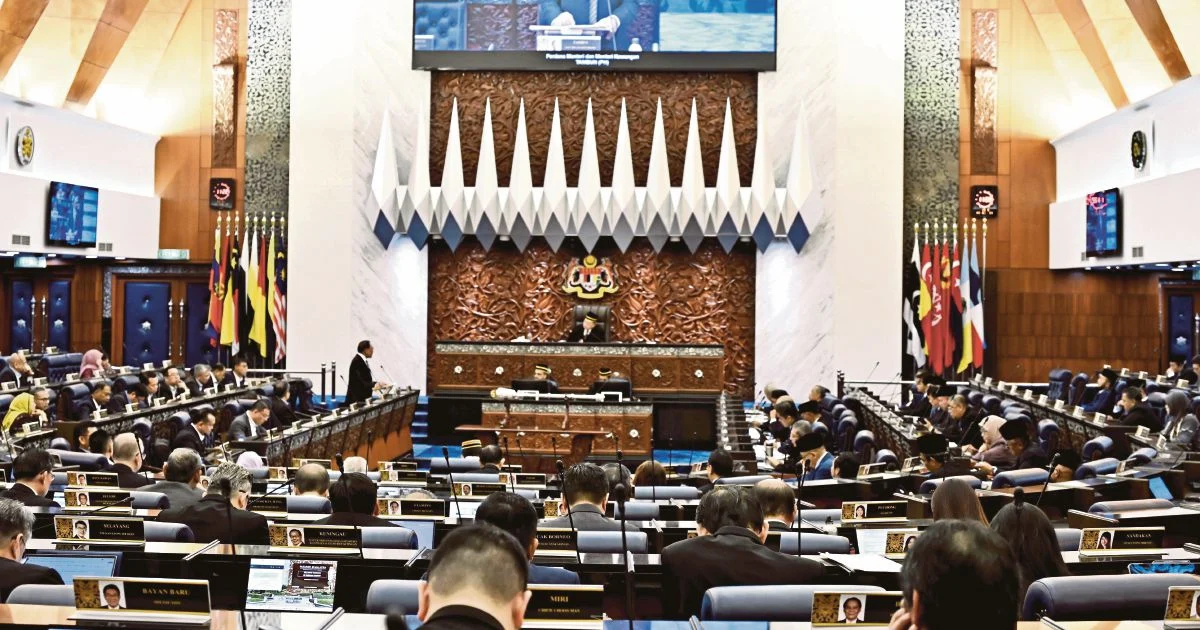
Barely an hour into the resumption of parliamentary proceedings, the Dewan Rakyat descended into acrimony as government and opposition benches traded sharp barbs over the constitutional status of the opposition leader—a flashpoint that laid bare simmering tensions within Malaysia's fractious political landscape. The rapid deterioration of parliamentary decorum signalled the continued volatility within coalition relationships that have defined much of Malaysian politics in recent years.
The dispute emerged swiftly, suggesting that underlying grievances had been building among lawmakers across party lines. The specific trigger involved questions about the formal recognition and standing of the opposition leader, a procedural matter that nonetheless carries significant symbolic weight in parliamentary tradition and constitutional practice. This seemingly technical disagreement mushroomed into a broader confrontation, indicating that the real friction extends well beyond the immediate parliamentary question at hand.
At the heart of the exchange lay broader coalition dynamics that have reshaped Malaysian politics. The involvement of both PAS and Bersatu representatives in the escalating confrontation reflected the complex web of alliances, rivalries, and competing interests that characterise the current political configuration. These two parties, once allies within the Perikatan Nasional framework, have had to navigate increasingly complicated relationships as broader government coalitions have evolved and solidified.
The accusation that PAS was engaging in bullying behaviour toward Bersatu carried implications that extended beyond rhetorical salvoes. Such charges, when levelled in parliament, suggest structural imbalances within coalition arrangements where larger or more influential parties may be asserting dominance over smaller partners. For Bersatu, which has oscillated between opposition and government roles in recent parliamentary terms, such positioning raises questions about its long-term viability as a major political force independent of patronage relationships.
Parliamentary exchanges of this nature offer revealing glimpses into the actual state of Malaysia's political coalitions. While formal statements often emphasise unity and cooperation, the unguarded moments when lawmakers lose their composure tend to expose genuine grievances and power imbalances. The intensity of the exchange suggested that frustrations had accumulated beyond what standard political protocols could contain, pointing to potentially significant strains within the government coalition itself.
The timing of this outburst deserves consideration. Parliamentary sittings are carefully scheduled and orchestrated events where the government typically exercises considerable control over proceedings. That disruption occurred within the first hour suggests that this was not a spontaneous eruption but rather reflected long-standing frustrations finally finding expression. Opposition lawmakers likely seized upon the parliamentary platform as an opportunity to voice complaints that might carry greater weight and public visibility than statements made outside the chamber.
For Malaysian political observers, such parliamentary theatrics reveal structural weaknesses in coalition governance. When parties within the same government alignment begin openly accusing each other of bullying or intimidation, it indicates that dispute resolution mechanisms have broken down. This suggests that backroom negotiations and compromise-seeking have given way to more confrontational posturing, a pattern that typically precedes broader political realignment or coalition instability.
The involvement of PAS in these exchanges carries particular significance given the party's central role in Malaysia's Islamist political movement and its influence over religious and social policy matters. When such a consequential party becomes embroiled in public disputes with coalition partners over leadership recognition and protocol, it signals that competition for political relevance and influence remains acute even within ostensibly unified governing arrangements. Bersatu's position in this dynamic reveals the vulnerability of newer entrants to Malaysia's major party system.
The opposition's ability to effectively highlight apparent bullying within government ranks also demonstrates the strategic value of parliamentary proceedings for smaller parties or those outside government. By forcing government coalition members into defensive positions and public disputes, opposition lawmakers can exploit internal tensions and potentially shift the political narrative to government weakness and disunity. This tactical dimension suggests that the exchange served purposes beyond merely airing legitimate grievances.
Looking forward, such incidents tend to accumulate and can eventually trigger broader political shifts. Previous instances of open coalition conflict in Malaysian parliament have preceded changes in government composition, party alignments, or the entry of new political players into crucial negotiations. While today's exchange may appear contained within parliamentary debate, it potentially signals underlying currents that could reshape Malaysia's political landscape if unresolved tensions continue mounting.
The restoration of parliamentary order typically follows such disruptions, but the underlying issues that triggered the exchange remain unaddressed. For Bersatu members and supporters concerned about their party's trajectory, such public confrontations may reinforce perceptions that their representatives lack sufficient political leverage to protect party interests within government arrangements. Conversely, for PAS, the willingness to engage forcefully in parliamentary exchanges might appeal to their base, though it simultaneously complicates coalition management.
These moments of parliamentary discord, while superficially concerning for orderly governance, ultimately serve an important function in Malaysia's political system by exposing genuine tensions that might otherwise fester beneath diplomatic facades. The question now becomes whether these exposures prompt serious negotiations and coalition restructuring, or whether they merely become another data point in the ongoing volatility that has characterised Malaysian politics since 2018.