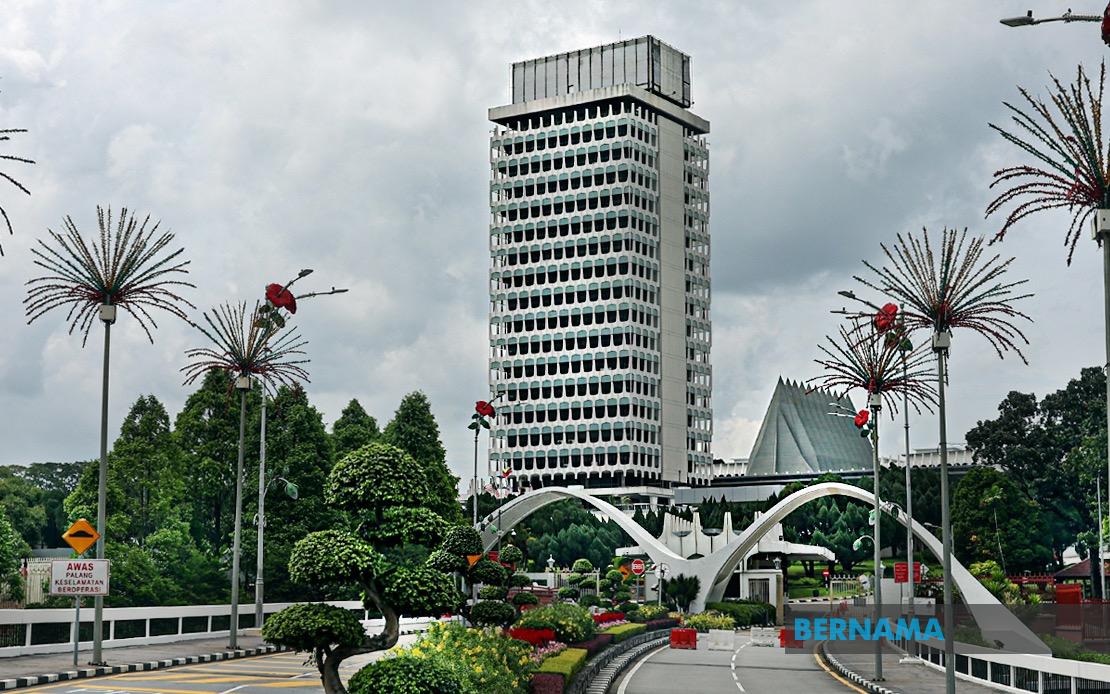
Parliament convened on July 1 for a 16-day sitting that promises to tackle several contentious governance and economic issues affecting Malaysians. Among the most pressing matters dominating the legislative agenda are proposed reforms to the Human Rights Commission's operational structure and a critical examination of how macroeconomic indicators mask the real financial hardship experienced by ordinary households struggling with rising costs.
The proposed amendments to the Human Rights Commission of Malaysia (SUHAKAM) Act 1999 represent a significant shift in how the institution functions and sustains itself. Currently, the commission operates almost entirely on government appropriations, a dependency that some lawmakers argue constrains its independence and flexibility. Teresa Kok Suh Sim, the Seputeh Member of Parliament representing Pakatan Harapan, will pose questions to the Prime Minister about whether the government intends to broaden SUHAKAM's revenue sources by permitting it to establish training programmes and short courses that generate income. Such a move would represent a notable evolution in Malaysia's human rights infrastructure, allowing the commission greater autonomy in its operations and potentially reducing the political sensitivities associated with annual budget allocations.
The financial independence angle carries particular importance in a regional context where human rights commissions frequently face criticism over government influence. By establishing alternative revenue streams, SUHAKAM could strengthen its institutional credibility both domestically and internationally, particularly among donor organizations and international human rights bodies that scrutinize commission independence. This question signals growing awareness among parliamentarians that financial autonomy and operational independence are interconnected, and that Malaysia's human rights framework requires modernization to maintain credibility.
Parallel to institutional reform discussions, parliament will confront what appears to be a growing crisis of confidence in Malaysia's economic measurements. Mohd Syahir Che Sulaiman, representing the Perikatan Nasional coalition in Bachok, will challenge the Economy Minister on a topic that resonates with millions of Malaysians: the yawning gap between official inflation statistics and the cost-of-living pressures families experience in their daily budgets. This disconnect has become increasingly visible to ordinary citizens who see their grocery bills, transportation costs, and housing expenses climb far faster than government inflation reports suggest.
The question touches on a fundamental credibility issue facing the government's economic narrative. When official inflation figures report single-digit growth while families report their monthly household budgets stretching thinner, a perception gap emerges that no amount of statistical explanation can easily bridge. The Economy Minister will be pressed to explain not merely the technical reasons for this divergence, but also what specific indicators the government uses to ensure that economic growth translates into improved purchasing power for households. This inquiry demands transparency about whether growth metrics genuinely reflect prosperity reaching ordinary Malaysians or if economic gains concentrate among certain groups while others fall behind.
The scale of this concern extends throughout Southeast Asia, where several nations grapple with similar inflation measurement controversies. Thailand, Indonesia, and the Philippines have all faced public criticism over inflation statistics that fail to capture actual price movements in items essential to working families. Malaysia's parliament examining this issue positions the country within a broader regional conversation about economic accountability and statistical integrity.
During the same parliamentary session, V. Ganabatirau of Klang will raise questions about environmental and urban planning governance, specifically regarding review mechanisms for land transfers involving flood retention ponds in Kuala Lumpur. This issue connects directly to the cost-of-living discussion, as improper land use decisions can trigger flooding that devastates properties and increases household expenses through damage repairs and insurance adjustments. The question reflects growing parliamentary concern that development decisions and environmental protection remain inadequately coordinated.
Higher education policy will also feature prominently in parliamentary discussion when Ku Abd Rahman Ku Ismail addresses the Higher Education Minister about the balance between STEM and non-STEM field enrollments. His inquiry extends to engineering discipline targets needed for high-technology industries, reflecting broader national concerns about whether Malaysia's education system adequately prepares workforce supply for future industries. This question assumes particular significance as Malaysia seeks to transition toward higher-value manufacturing and technology sectors that require specialized technical expertise.
The parliamentary schedule also includes second reading of the Cybercrime Bill 2026, positioning Malaysia among nations grappling with digital crime regulation. The timing of this legislation reflects increasing concern about online fraud, digital security threats, and cybercrime impacts on both individuals and businesses. For Malaysian technology firms and digital enterprises, this bill will establish the regulatory framework governing their operations and liability for security breaches.
The 16-day sitting extends through July 16, providing sufficient time for substantive debate on these interconnected economic, institutional, and policy challenges. The range of topics suggests parliament is attempting to address both structural governance questions and immediate economic pressures facing households. Whether parliamentary scrutiny produces meaningful policy responses or legislative change will substantially affect how Malaysians experience the government's stated commitment to transparency, human rights protection, and shared prosperity. The coming weeks will reveal whether parliament functions as an effective check on executive power or whether these questions receive perfunctory answers that further erode public confidence in democratic institutions.

