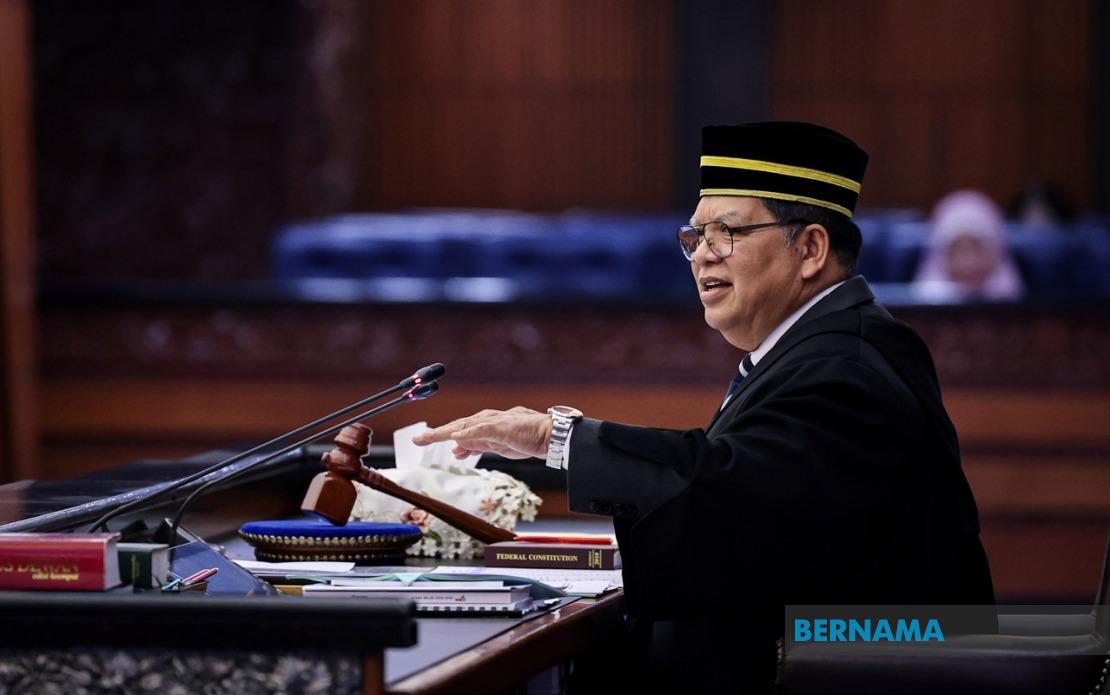
The Second Meeting of the Fifth Term of Malaysia's 15th Parliament drew to a close today after an intensive 16-day legislative session that commenced on June 22, marking another productive period for the country's primary legislative chamber. Dewan Rakyat Speaker Tan Sri Dr Johari Abdul formally adjourned proceedings, highlighting the substantial volume of legislative work accomplished during the sitting, which saw the passage of 13 separate bills and multiple substantive motions, demonstrating parliament's continued capacity to process complex legislation.
Among the most significant measures approved were bills addressing road transport modernisation and child protection. The Road Transport (Amendment) Bill 2026 represents ongoing efforts to update Malaysia's transportation regulatory framework, while the Sexual Offences Against Children (Amendment) Bill 2026 underscores parliamentary commitment to strengthening legal protections for vulnerable youth—a priority that resonates across Southeast Asian legislatures grappling with digital-age child safety challenges. These complementary legislative initiatives reflect growing recognition that modernisation and protection often proceed in tandem.
Cybersecurity and digital governance featured prominently in the session's legislative agenda. The Cybercrimes Bill 2026 addresses the expanding landscape of online threats facing Malaysian citizens and businesses, positioning the nation alongside regional peers in developing comprehensive digital crime frameworks. This legislation carries particular relevance as Malaysia continues establishing itself as a digital economy hub, requiring robust protections for both consumers and commercial entities operating in cyberspace.
Economic regulation received considerable parliamentary attention through competition and commerce measures. The Competition (Amendment) Bill 2026 and Competition Commission (Amendment) Bill 2026 together refine Malaysia's approach to market oversight and fair trading practices, essential for maintaining competitive markets and protecting consumer interests. Similarly, the Communications and Multimedia (Amendment) Bill 2026 and Malaysian Communications and Multimedia Commission (Amendment) Bill 2026 reflect evolving regulatory needs in rapidly changing telecommunications and digital sectors where frameworks require periodic updating to remain effective.
Agricultural governance and social development also featured prominently in the legislative programme. The Control of Padi and Rice (Amendment) Bill 2026 addresses sector-specific concerns within Malaysia's agricultural economy, supporting efforts to stabilise food security and farmer livelihoods. Complementing this sectoral focus, the Social Work Profession Bill 2026 establishes professional standards within Malaysia's social services sector, elevating occupational recognition and service quality across community-based welfare programmes.
Additional measures addressed legal protections and public administration. The Witness Protection (Amendment) Bill 2026 enhances safeguards for individuals cooperating with law enforcement, crucial for enabling effective prosecution of serious crimes. The National Trust Fund Bill 2026 and Statistics Bill 2026 round out the session's agenda, addressing financial administration mechanisms and data governance respectively—foundational elements of modern institutional operation that often receive less public attention than headline legislation but prove essential for governmental effectiveness.
Beyond formal bill passages, the session encompassed substantial parliamentary activity that extended beyond legislative enactments. Three comprehensive ministerial briefings alongside one specialised brief in the parliament's Special Chamber provided Members with detailed governmental updates across multiple portfolio areas. Additionally, six separate presentations by Select Committee chairmen addressing their investigative reports ensured that parliamentary oversight functions operated alongside legislative responsibilities, maintaining the chamber's dual role as both law-making and scrutinising body.
The session also featured dedicated parliamentary attention to human rights matters. A full debate on the 2024 Annual Report of the Human Rights Commission of Malaysia (SUHAKAM) enabled substantive parliamentary engagement with Malaysia's human rights performance, allowing members to assess the commission's findings and recommendations through structured legislative discourse. Such focused discussions contribute to Malaysia's broader democratic accountability mechanisms.
Speaker Johari utilised the adjournment speech to address practical parliamentary matters affecting members' wellbeing. He reminded all Members of Parliament to complete health screening assessments before October 30, emphasising the importance of maintaining medical records within parliament's administrative systems. This directive takes on particular significance given the demanding nature of electoral campaigns, which require sustained physical stamina from political contestants. The speaker's health-focused intervention reflects institutional concern for MPs' capacity to fulfil their demanding legislative and campaign responsibilities effectively.
Parliament's engagement with the broader Malaysian public remained part of the session's scope. The speaker announced that parliament would host an unspecified programme open to Members of Parliament, parliamentary staff, Malaysian Youth Parliament participants, and general members of the public, though specific details remained incomplete in the adjournment statement. Such public engagement initiatives strengthen connections between the legislative institution and citizens, facilitating better understanding of parliamentary operations.
In his closing remarks, Speaker Johari extended comprehensive appreciation to multiple stakeholders whose contributions enabled the session's successful completion. Members of Parliament received acknowledgment for their cooperation throughout the sitting, while government officials, parliamentary staff, media representatives, and various other participants in the legislative process were recognised for their essential roles. This inclusive recognition underscores that effective parliamentary operation depends upon systematic cooperation across institutional boundaries.
The adjournment does not represent parliamentary dissolution but rather a scheduled recess, with the Dewan Rakyat reconvening at a date yet to be formally determined. This interim period provides members opportunity to consolidate legislative work completed during the sitting, engage with constituents on matters addressed by recent legislation, and prepare for subsequent parliamentary business. The 16-day sitting thus concludes a significant chapter in Malaysia's ongoing legislative programme, leaving parliament poised for future engagement with emerging policy challenges.

