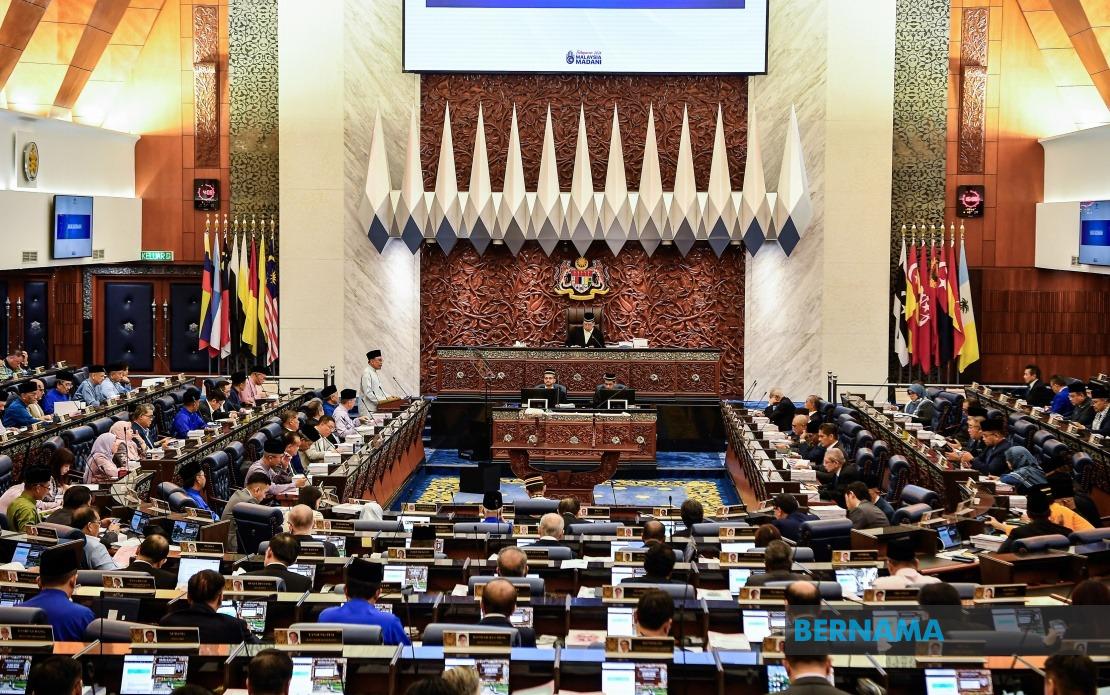
The Malaysian parliament moved forward on Monday with legislative reforms aimed at modernising the nation's communications regulator, approving the Malaysian Communications and Multimedia Commission (Amendment) Bill 2026 in a voice vote following extensive debate. The passage of the legislation represents a significant step toward addressing longstanding concerns about the MCMC's operational flexibility and institutional autonomy as Malaysia navigates an increasingly complex digital landscape. Deputy Communications Minister Teo Nie Ching described the amendments as essential to ensuring the commission remains fit for purpose in regulating and developing Malaysia's communications and multimedia sector during a period of rapid technological change.
The amendments contained within the Bill address multiple operational and governance dimensions of the 26-year-old regulatory framework. One central modification involves elevating the MCMC's financial threshold for contract approvals from RM5 million to RM50 million, a significant adjustment that acknowledges the shifting economic realities facing the organisation. Teo explained that this increase aligns with established procurement guidelines issued by the Finance Ministry for federal statutory bodies, specifically the Procurement Regulations for Federal Statutory Bodies WP7.5, which permit fully internally-funded bodies to approve procurements up to RM499 million. The decision to cap the MCMC's authority at RM50 million represents a measured middle ground, balancing the need for operational efficiency against prudent fiscal oversight.
The rationale for raising the financial limit extends beyond simple bureaucratic necessity. Since the original threshold was established in 1998, the Malaysian economy has experienced substantial structural changes. The costs associated with telecommunications infrastructure, digital technologies and skilled labour have risen considerably, driven by factors ranging from general inflation to the specific demands of implementing next-generation network capabilities. By authorising larger individual procurement decisions, the MCMC can respond more swiftly to technological opportunities and infrastructure requirements without requiring ministerial approval for routine operational expenditures that reflect contemporary pricing realities. This streamlining should enable the regulator to execute its mandate with greater agility in managing sector development.
Equally significant are the governance amendments embedded in the legislation. The Bill includes a requirement that the MCMC chairman cannot simultaneously hold membership in any legislative body, a provision explicitly designed to eliminate potential conflicts of interest arising from political roles. Teo confirmed that the minister's authority to appoint the chairman and commissioners—a practice maintained continuously since 1998—continues under the revised framework, but now with this structural safeguard against dual allegiances. This particular amendment responds to persistent concerns within the sector regarding the perception of political influence over regulatory decisions, a tension that exists across multiple Southeast Asian telecommunications markets where regulators must balance competing political and commercial interests.
During the parliamentary debate, Dr Halimah Ali from Kapar, representing the Perikatan Nasional bloc, pressed the government to go further in institutionalising the MCMC's independence. She advocated for adopting an appointment mechanism modelled on that used by the Human Rights Commission of Malaysia (SUHAKAM), whereby commissioners would be selected through a transparent, merit-based process emphasising technical expertise, professional experience and demonstrated credibility rather than ministerial discretion alone. This proposal reflects broader regional and global trends toward insulating regulatory bodies from direct political capture through the introduction of independent selection panels, though it remains politically contentious in Malaysia where executive prerogatives have traditionally been robust.
Mas Ermieyati Samsudin, representing Masjid Tanah under the Perikatan Nasional banner, similarly emphasised the importance of strengthened checks and balances within the amended legislation. She directed particular attention to the governance of the Universal Service Provision (USP) Fund, a dedicated resource pool designed to ensure equitable telecommunications access across Malaysia's diverse geography. Samsudin called for periodic public reporting of the fund's utilisation and proposed enhanced audit powers for the commission, alongside formal mechanisms for documenting and tabling all ministerial directives in parliament. These suggestions point toward systemic accountability challenges that affect not only the MCMC but broader debates about how Malaysian federal bodies exercise delegated authority and remain answerable to elected representatives.
Dr Richard Rapu from Betong, representing the GPS party, offered a more affirmative assessment of the amendments, characterising them as strengthening both the MCMC's institutional architecture and its capacity to function as a forward-looking regulator. He positioned the Bill as foundational work that would enable the commission to respond effectively to emerging challenges within the digital economy, from broadband infrastructure deployment to cybersecurity and spectrum management. This framing highlights how regulatory modernisation intersects with Malaysia's broader digital economy ambitions, as articulated in various national planning documents and private sector collaboration initiatives.
The passage of this legislation occurs within a context of evolving expectations regarding telecommunications regulation throughout Southeast Asia. Neighbouring jurisdictions including Singapore, Thailand and Indonesia have undertaken their own regulatory reforms in recent years, typically involving moves toward greater operational independence for communications authorities balanced against formal accountability mechanisms. Malaysia's MCMC amendment, while preservative of ministerial appointment authority, introduces incremental safeguards that reflect these regional trends while maintaining the constitutional prerogatives of Malaysia's executive branch. The outcome represents a pragmatic compromise between those favouring wholesale institutional restructuring and those prioritising continuity with existing frameworks.
For Malaysia's communications industry, the practical implications centre on procurement efficiency and regulatory stability. Telecommunications operators and technology providers will benefit from faster contract approvals for major infrastructure and services acquisitions, eliminating administrative bottlenecks that previously required ministerial oversight of transactions exceeding RM5 million. This should facilitate more responsive network investments, particularly in rural broadband expansion and 5G infrastructure deployment—both areas where the MCMC has been tasked with supporting national digital inclusion objectives. Conversely, the retention of ministerial appointment authority, despite opposition suggestions for alternative models, preserves a degree of political accountability that some argue provides necessary legitimacy within Malaysia's Westminster-derived parliamentary system.
The broader significance of the MCMC Amendment Bill extends beyond technical regulatory mechanics to fundamental questions about institutional design in Malaysian democracy. The parliamentary debate revealed genuine tensions between executive efficiency and institutional independence, between ministerial accountability and professional autonomy, tensions that recur across multiple regulatory domains. The compromise embodied in the legislation—retaining executive appointment power while introducing structural safeguards against obvious conflicts of interest—reflects Malaysian political realities, where constitutional conventions and practical governance must navigate between competing principles of democratic accountability and professional expertise.
Looking forward, the effectiveness of these amendments will depend substantially on implementation decisions made by the MCMC itself and the broader political environment within which it operates. The inclusion of provisions regarding transparency and parliamentary tabling of ministerial directions, even where not formally mandated by the legislation, creates expectations and norms that may constrain arbitrary exercise of authority. Similarly, the elevation of the procurement threshold will test whether the MCMC possesses adequate internal processes to manage larger financial decisions prudently. The passage of this Bill thus represents not a conclusion but rather a framework establishing the terms within which Malaysian communications regulation will evolve over the coming years.

