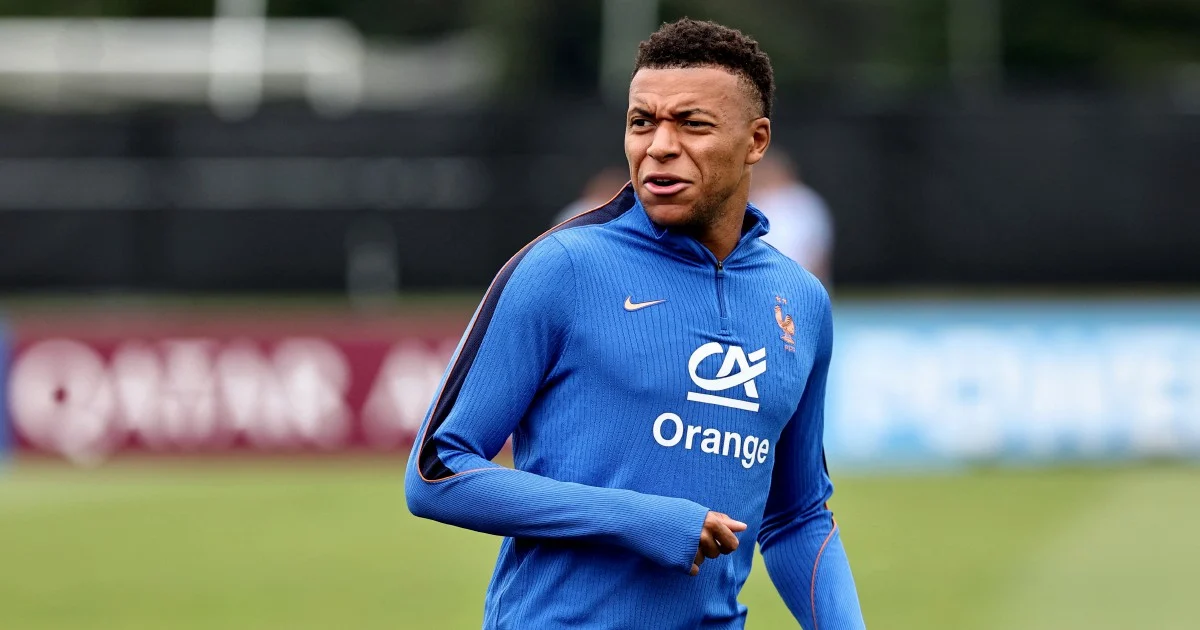
French prosecutors in Paris have decided to initiate a formal investigation into statements made by a lawmaker from Paraguay concerning French national football team captain Kylian Mbappé, according to a statement issued by the public prosecutor's office on Tuesday. The move represents a significant escalation in what began as remarks made in an international context, prompting formal legal scrutiny from French authorities.
The decision to pursue an investigation underscores the sensitivity surrounding public figures in France, particularly those in the sporting realm who have achieved exceptional prominence. Mbappé, who has established himself as one of the world's most talented footballers, occupies a position of considerable cultural significance within France, extending well beyond the confines of sport into matters of national pride and representation.
When statements originating from foreign government representatives cross certain lines, they can trigger diplomatic and legal ramifications that extend beyond typical celebrity controversies. The involvement of a Paraguayan legislator elevates the matter from a simple social media dispute to one involving international political figures, thereby warranting official intervention from judicial authorities.
The timing of this investigation comes amid broader global discussions about accountability for public figures' statements, particularly when such remarks touch upon sensitive issues or cross into potentially defamatory territory. France has historically maintained strict laws regarding libel and defamation, and these legal frameworks extend protection to both private citizens and public personalities, including athletes of international standing.
Paraguay and France maintain diplomatic relations, though they operate in distinctly separate spheres of global football influence. While Paraguay has produced notable footballers throughout its history, France's status as a football superpower and recent World Cup champion lends particular weight to controversies involving its national team representatives. The apparent cross-continental nature of this incident illustrates how interconnected global media has become, allowing remarks made in one country to instantly reach audiences and authorities worldwide.
For Malaysian observers and other Southeast Asian audiences, this development highlights how even sporting figures can become entangled in international legal disputes. The region has its own prominent football personalities whose international prominence occasionally intersects with political commentary, making this French case a relevant point of reference for understanding how different jurisdictions handle such conflicts.
The prosecutor's office decision reflects French commitment to protecting the reputations of its public figures against what may be considered unjustified attacks. Whether the investigation ultimately results in charges or further action remains to be determined, but the mere opening of proceedings sends a message about the seriousness with which such matters are treated in the French legal system.
Mbappé's status extends beyond his on-field achievements; he represents contemporary French identity on the global stage and has been subject to intense media scrutiny throughout his career. Any attacks on his character or reputation therefore carry implications not merely for the individual but for France's international standing and national narrative.
The involvement of parliamentary representatives in making contentious remarks about foreign athletes raises questions about the boundaries of political speech and diplomatic propriety. While freedom of expression remains a cornerstone of democratic society, the obligations placed upon elected officials to maintain certain standards are generally understood to be more stringent than those applying to ordinary citizens.
This investigation will likely proceed through the French legal system with whatever evidence prosecutors have gathered regarding the nature and context of the Paraguayan lawmaker's statements. The outcome could establish important precedent regarding how international political commentary intersects with French defamation law, particularly in an era where global communications enable instant dissemination of remarks across borders.
For international observers, particularly in Southeast Asia where sports and politics occasionally intersect controversially, this case demonstrates the potential legal consequences of public political figures making inflammatory comments about foreign nationals, regardless of their profession. As globalisation continues to blur boundaries between national and international spheres, such incidents appear likely to become increasingly common, forcing legal systems across jurisdictions to grapple with novel questions about accountability and appropriate conduct.

