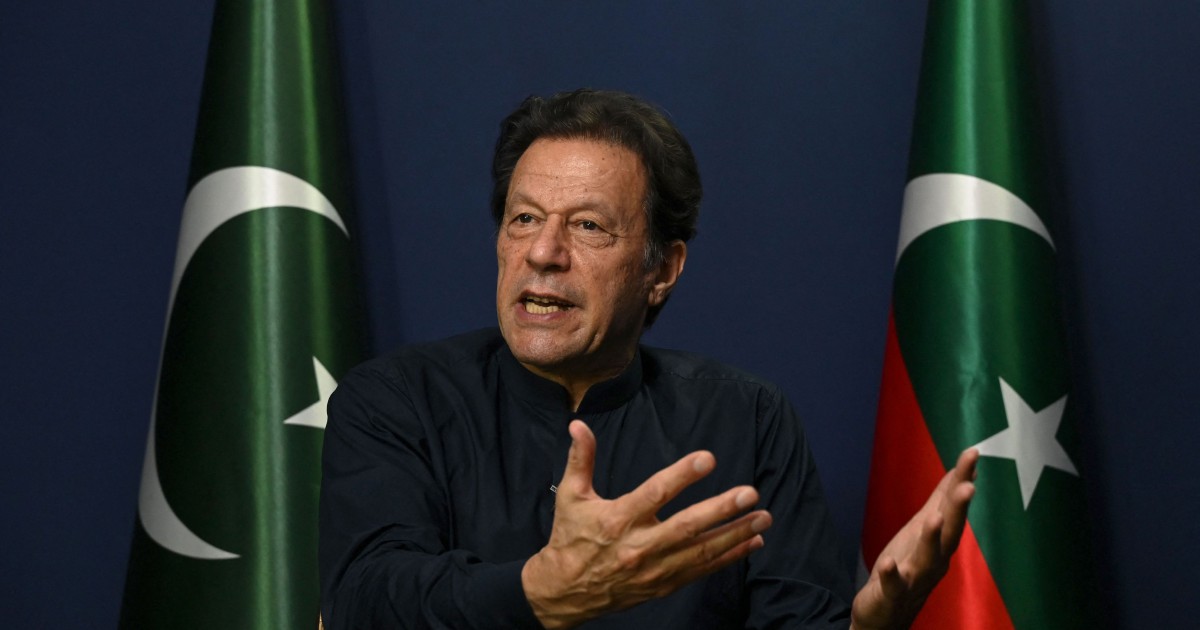
Pakistan's Supreme Court has intervened in the case of former Prime Minister Imran Khan, issuing an order on Tuesday for his immediate transfer from jail to hospital custody. The decision represents a significant development in the high-profile detention case that has dominated Pakistani politics and drawn international attention to questions surrounding his incarceration and wellbeing.
The judicial order follows sustained pressure from Khan's Pakistan Tehreek-e-Insaf (PTI) party and his family members, who have repeatedly expressed serious concerns about the deterioration of his physical and mental health while imprisoned. His legal team and political allies have maintained that Khan requires medical treatment that jail facilities cannot adequately provide, contending that his continued incarceration in standard prison conditions constitutes a threat to his life.
Khan's detention has become one of the most contentious political issues in Pakistan since his arrest earlier this year on multiple charges that he and his supporters contend are politically motivated. The PTI has characterised the legal proceedings against Khan as a coordinated effort to sideline a major political rival, allegations the government has rejected. Nonetheless, the Supreme Court's intervention suggests judicial recognition that Khan's health situation warrants urgent attention and a change in his custody arrangements.
The transfer order carries significant implications for Pakistan's ongoing political stability and the balance of power between the country's competing power centres. Khan's detention has triggered widespread protests and deepened divisions within Pakistani society, particularly among his substantial base of younger supporters who view him as a reformist leader unjustly persecuted by the establishment. The prospect of his hospital transfer may ease tensions in the short term, though it is unlikely to resolve the deeper constitutional and political questions surrounding his case.
From a regional perspective, Khan's legal troubles have attracted scrutiny from international human rights organisations and governments concerned about judicial independence and due process in Pakistan. The Supreme Court's decision to order medical intervention demonstrates that Pakistan's judiciary retains some capacity to act independently on humanitarian grounds, even in cases with obvious political dimensions. This judicial assertiveness may reflect growing public concern about Khan's condition that transcends partisan boundaries.
The hospital transfer also raises practical questions about the nature and duration of Khan's custody arrangement. Whether he will remain in formal detention under hospital conditions, or whether the move signals a step towards conditional release or bail, remains unclear from the Supreme Court's initial order. These details will likely become apparent through subsequent legal proceedings and could substantially alter the trajectory of his case.
For Malaysia and other Southeast Asian democracies, Pakistan's handling of Khan's detention offers cautionary lessons about the importance of protecting due process and limiting the use of criminal charges as political weapons. Malaysia itself has experienced comparable controversies involving detention of political figures, making Pakistan's experience directly relevant to regional discussions about judicial independence and the rule of law.
Khan's case also reflects broader tensions within Pakistan between civil and military institutions, with questions about who ultimately controls judicial decisions in matters involving prominent political personalities. The Supreme Court's order suggests that civilian courts retain some authority to check executive power, though observers note that military influence over Pakistan's security establishment and intelligence agencies continues to shape political outcomes in ways that formal court orders may not fully address.
The hospital transfer, if implemented, will enable independent medical evaluation of Khan's condition and potentially provide clearer information about his health status than prison medical reports have disclosed. This transparency could have significant bearing on public perception of his case and on assessments of whether his detention satisfies international standards for humane treatment.
Moving forward, Khan's legal team will likely use the hospital setting to build evidence regarding any health complications sustained during his jail incarceration, potentially forming the basis for appeals or applications for bail or early release. The Supreme Court's willingness to intervene on health grounds may also embolden other petitioners to challenge prison conditions through similar judicial pathways.
The order demonstrates that despite perceptions of declining judicial independence in Pakistan, the Supreme Court can still assert authority on matters of individual welfare and constitutional rights. However, whether this intervention translates into substantive protection for Khan's broader legal position remains contingent on how lower courts proceed with his cases and whether any political settlement emerges between Khan's faction and the current government.

