Imran Khan, Pakistan's former prime minister and the nation's most prominent political figure, has been transferred from detention to a hospital facility for comprehensive medical evaluation following an intervention by the country's highest court. The PTI (Pakistan Tehreek-e-Insaf) party announced the development early Friday, confirming that the movement came as a direct result of Supreme Court orders mandating that Khan receive proper medical assessment during his incarceration.
The transfer marks a significant moment in Khan's ongoing legal troubles, which have consumed Pakistani politics for months and intensified divisions within the country. As the founder and leader of the PTI, Khan commands enormous grassroots support across Pakistan, particularly among younger voters and urban populations who view him as a symbol of anti-corruption reform. His detention has sparked repeated public demonstrations and generated considerable international attention regarding judicial proceedings in Pakistan.
Khan's health condition has been a recurring concern during his imprisonment, with his legal team and supporters repeatedly raising questions about his welfare and access to adequate medical care while in custody. The Supreme Court's decision to order hospital tests suggests that concerns about his physical condition have gained sufficient traction within the judiciary to warrant formal intervention. This development underscores the delicate political balance surrounding Khan's case, where judicial decisions carry implications far beyond mere legal technicality.
The circumstances surrounding Khan's detention reflect broader instability within Pakistan's political system. Following his removal as prime minister in April 2022, he has faced numerous legal charges that critics argue are politically motivated, though the government maintains they involve genuine criminal allegations. The cases have included accusations ranging from corruption to possession of classified documents, with proceedings continuing through various courts despite Khan's assertions of innocence.
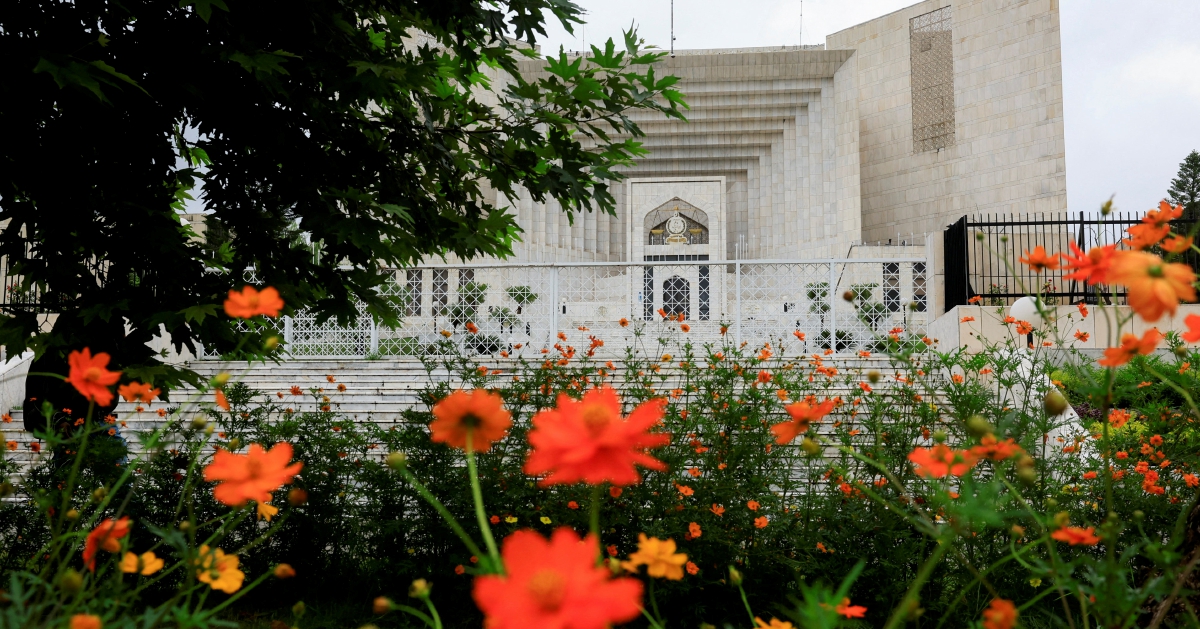
Pakistan's Supreme Court has increasingly found itself at the centre of the nation's most volatile political disputes. The court's intervention to ensure Khan receives proper medical care demonstrates how judicial oversight can intersect with high-stakes political conflicts. For Malaysian observers, this situation illustrates the complex dynamics that emerge when courts become involved in disputes between government and opposition figures, particularly in nations where institutional independence remains contested.
The hospital transfer also reflects international scrutiny of Pakistan's legal system. Human rights organizations have periodically raised concerns about detention conditions and due process in cases involving prominent political figures. By ordering medical examinations, the Supreme Court may be addressing both genuine health concerns and the reputational implications of Khan's continued imprisonment without demonstrable access to healthcare facilities.
Khan's continued detention represents a defining feature of Pakistan's current political moment. The former cricket champion-turned-politician mobilized millions through his anti-corruption platform and promises of institutional reform, making his removal from power a watershed moment in Pakistani democracy. His incarceration has energized his supporters and complicated efforts by the ruling coalition to consolidate power and implement economic reforms.
The PTI's announcement of Khan's hospital transfer carries strategic significance. By immediately publicizing the development, the party ensures that the Supreme Court's decision becomes part of the broader political narrative, potentially building momentum for further legal challenges to his detention. Pakistani media coverage of such moves influences public opinion and international perceptions of governance in the country.
For the Southeast Asian region, Pakistan's institutional struggles offer instructive lessons about democratic vulnerabilities. Malaysia and other ASEAN nations face their own questions about judicial independence, the treatment of political opponents, and the balance between security concerns and civil liberties. Pakistan's experience demonstrates how easily political conflicts can overwhelm institutional mechanisms designed to ensure fairness and due process.
The Supreme Court's intervention also suggests potential cracks in the unified approach that Pakistan's ruling coalition has attempted to maintain regarding Khan. If different branches of government hold divergent views about his detention and treatment, this could eventually influence the trajectory of his cases and the broader political environment in Pakistan.
As Khan remains hospitalized for medical evaluation, his legal team will likely use this opportunity to document any health issues that could feature in subsequent appeals. The medical examination ordered by the court creates a formal record that may inform future judicial decisions about his custody status. Whether this leads to substantive changes in his detention conditions or represents merely a temporary intervention remains uncertain.
The situation encapsulates the turbulent state of Pakistani democracy, where powerful personalities, competing institutional interests, and profound popular divisions continue to shape the nation's trajectory. Khan's transfer to hospital, while ostensibly a routine medical matter, carries profound political significance in a nation where such decisions rarely occur in isolation from broader power struggles.

