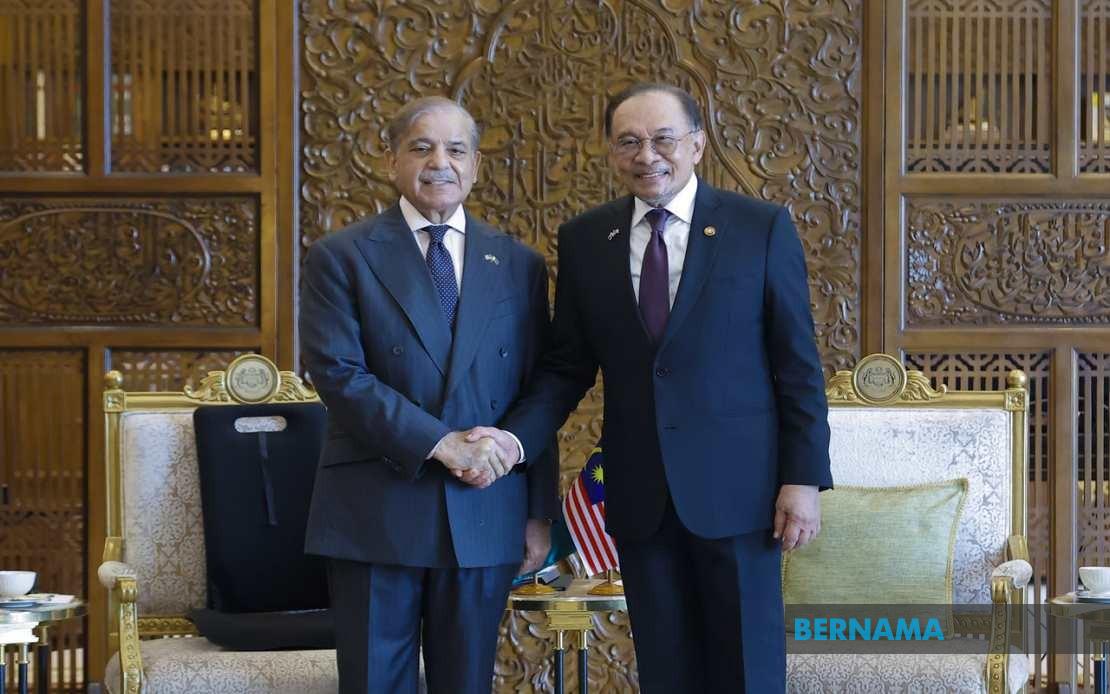
Pakistani Prime Minister Shehbaz Sharif has publicly extended his wishes for a speedy recovery to Malaysian Prime Minister Datuk Seri Anwar Ibrahim, who underwent a scheduled medical procedure on Monday. In a message shared on social media platform X, Sharif expressed solidarity with his Malaysian counterpart and conveyed the support of Pakistan's broader population during this period.
The gesture of goodwill reflects the diplomatic warmth that characterises Malaysia-Pakistan relations at the highest levels of government. Such public expressions of concern from fellow regional leaders serve to underscore the interconnectedness of South Asian and Southeast Asian political circles, where leaders often maintain personal relationships that extend beyond formal bilateral agreements. Sharif's invocation of spiritual blessings demonstrates the role of shared Islamic heritage in fostering mutual support among Muslim-majority nations in the region.
According to Anwar's Senior Press Secretary Tunku Nashrul Abaidah, the Malaysian prime minister underwent a series of medical examinations and procedures that had been carefully prescribed by his medical team of specialists. The disclosure was handled with transparency, with officials providing clear information about the nature of the undertaking to reassure the public and international observers about the continuity of governance during the period of medical treatment.
The medical examinations were structured as a comprehensive evaluation rather than an acute intervention, with the medical team adopting a cautious approach that prioritised thorough assessment. The involvement of multiple specialists suggested that the procedures were designed to address specific health concerns identified during routine screening, a practice increasingly common among high-ranking government officials across the Asia-Pacific region who maintain demanding schedules.
Anwar was scheduled to remain under observation for a two-day period following the procedures, a standard protocol that allows medical professionals to monitor post-procedure recovery and ensure that no complications arise. This relatively brief hospitalisation timeframe indicated that the procedures were not of an emergency nature, and that the medical team anticipated a straightforward recovery process. The structured observation period also allows the government to manage the transition of duties if required, ensuring that critical decisions are not delayed.
The timing of the disclosure and the participation of international leaders in expressing support demonstrates Malaysia's standing in regional and global diplomatic circles. Sharif's message, posted publicly on a global platform, conveyed not merely personal concern but also a reaffirmation of the bilateral relationship between Malaysia and Pakistan, sending a signal of stability and continuity to international markets and observers.
For Malaysian readers, such events occasionally spark broader conversations about the health and wellbeing of national leaders, and the importance of transparent communication regarding their medical status. The approach adopted by the Prime Minister's office in this instance—providing factual information through official channels without excessive detail—reflects a balance between public interest and privacy considerations that is generally appreciated by both domestic and international stakeholders.
The expression of support from Pakistan's leadership also highlights the significance of cross-border relationships among Muslim-majority nations in addressing shared regional challenges. Malaysia and Pakistan have maintained comprehensive partnerships across multiple sectors including trade, defence, and educational exchanges, and such gestures of solidarity reinforce these institutional bonds at times when robust diplomatic relationships prove valuable.
From a broader Southeast Asian perspective, the incident underscores the reality that leadership transitions or periods of temporary incapacity require careful management to maintain investor confidence and democratic stability. The transparent communication adopted here contrasts with historical instances in the region where medical situations involving leaders have been shrouded in secrecy, resulting in market volatility and political uncertainty. The Malaysian approach thus sets a positive precedent for crisis communication in the region.
The recovery and return to full duties by Anwar Ibrahim following the medical procedure would likely be followed by continued engagement with pressing policy matters, as Malaysia navigates complex regional challenges including its role in ASEAN, economic restructuring initiatives, and ongoing efforts to strengthen institutional governance. The continuity of leadership messaging, as evidenced by Sharif's supportive statement, helps maintain the psychological and diplomatic momentum that sustains bilateral relationships during periods when a leader's attention may be temporarily diverted by health-related matters.

