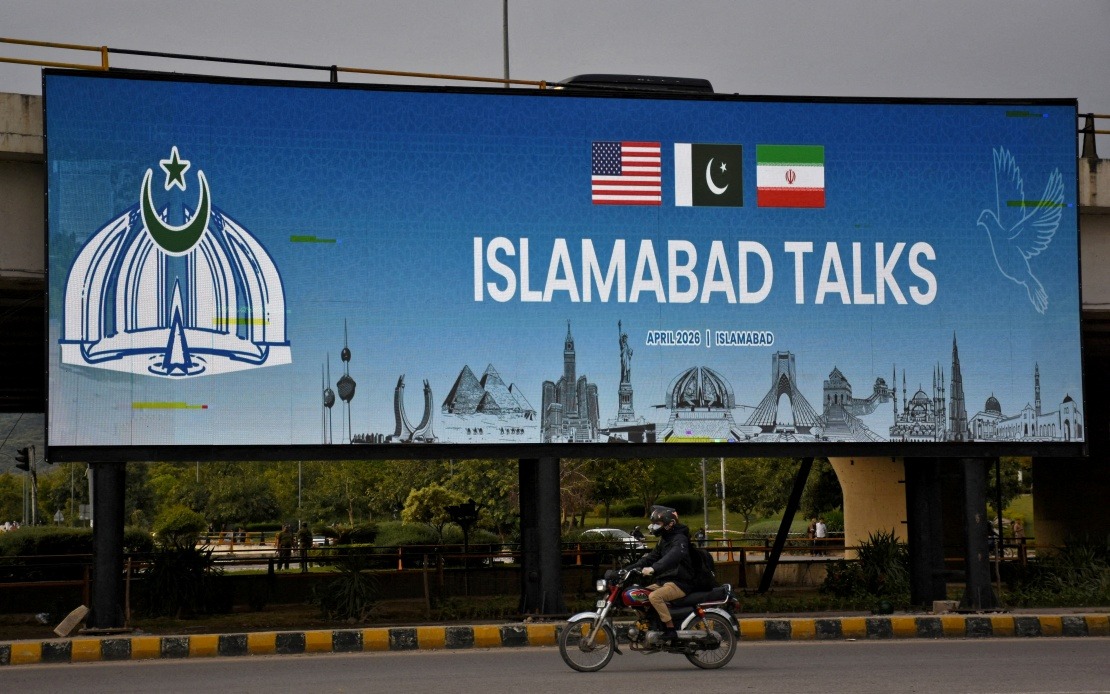
Efforts to resolve the protracted dispute between the United States and Iran are entering a critical phase, with both nations set to convene talks in Pakistan on July 11 according to reports from Al Arabiya news channel. The resumption of high-level negotiations signals continued momentum in the diplomatic process following a significant breakthrough achieved just weeks earlier, indicating that despite decades of acrimony, both Washington and Tehran remain committed to finding negotiated solutions to their most contentious issues.
The upcoming discussions in Islamabad will address three interconnected challenges that have defined US-Iran relations since the Islamic Revolution. Chief among these are the architecture of international sanctions imposed on Tehran, the mechanism for releasing billions of dollars in frozen Iranian assets held in foreign banks, and the future trajectory of Iran's nuclear programme. These three elements remain deeply intertwined in any comprehensive settlement, as each side views progress on one dimension as contingent upon satisfactory outcomes on the others.
The timing of these negotiations carries particular significance given developments within Iran's political leadership. The Iranian delegation's composition will only be finalised following the funeral of former Supreme Leader Ali Khamenei, scheduled for July 9. This procedural detail underscores the importance Iran's leadership attaches to these talks, suggesting that high-ranking officials will participate in the discussions rather than lower-tier diplomatic representatives. The two-day interval between Khamenei's funeral and the commencement of talks in Islamabad allows Iran's new leadership configuration to be established before engaging in substantive negotiations.
The foundation for these talks was laid in a remarkable development that occurred in the early hours of June 18, when the United States and Iran executed a memorandum of understanding designed to terminate the military hostilities that commenced on February 28. This agreement represents a dramatic shift from the escalatory trajectory that had threatened to draw the Middle East into wider conflict. The signing occurred through remote channels, reflecting the reality that direct face-to-face engagement remained logistically challenging, yet both nations demonstrated sufficient political will to conclude the accord despite these constraints.
Within the framework of this ceasefire agreement lie specific commitments regarding maritime commerce and regional shipping infrastructure. The United States has pledged to lift its naval blockade of Iranian ports, a measure that has severely disrupted Iranian trade and economic activity. Simultaneously, Iran has undertaken to restore normal shipping operations through the Strait of Hormuz, a crucial waterway through which roughly one-fifth of global petroleum supplies pass annually. The restoration of free passage through this strategic chokepoint carries implications far beyond bilateral US-Iran relations, affecting energy markets across Asia and global supply chain stability.
A particularly significant component of the emerging arrangement involves Iran's nuclear ambitions and the international community's concerns about weapons proliferation. Under the terms agreed in principle, Iran commits to refraining from the acquisition of nuclear weapons, addressing the fundamental security concern that has preoccupied Western governments and regional states such as Israel and Saudi Arabia for decades. However, rather than settling this matter within the framework of the ceasefire agreement itself, both parties have designated nuclear issues for treatment within a separate, parallel negotiation process that will unfold according to an expedited 60-day timeline.
The strategic decision to compartmentalise nuclear negotiations reflects recognition by both sides that this issue requires specialist technical expertise and detailed verification mechanisms distinct from the political resolution of the military conflict. The compressed 60-day window for achieving nuclear accord suggests a deliberate effort to maintain negotiating momentum and prevent the process from fragmenting across multiple timelines. For Iranian negotiators, the nuclear dimension holds particular political weight domestically, as any agreement must demonstrate that nuclear concessions yield tangible economic benefits through sanctions relief.
Sanctions constitute the economic centerpiece of Tehran's negotiating objectives. The layers of restrictions imposed by Washington and international partners have devastated Iran's economy, constraining oil exports, blocking access to international banking systems, and cutting off crucial technology imports across multiple sectors. Iranian policymakers view the lifting of comprehensive sanctions as essential compensation for accepting constraints on nuclear activities and military capabilities. Without credible prospects for sanctions removal, domestic Iranian constituencies may view any agreement as an unequal exchange surrendering strategic assets without reciprocal economic gain.
Pakistan's selection as the venue for these talks carries its own geopolitical significance. As a Muslim-majority nation with historical ties to both the United States and Iran, Pakistan occupies a delicate diplomatic position in the Middle East and broader Muslim world. Hosting these negotiations enhances Pakistan's profile as a potential mediator in regional disputes and signals Islamabad's role in promoting stability across its extended neighbourhood. For Pakistan, the successful conclusion of US-Iran negotiations could reduce regional tensions that have previously spilled across its borders, particularly given the country's proximity to Iran and historical experience with sectarian conflicts linked to regional power competition.
The success of the July 11 round depends heavily on the parties' ability to operationalise the ceasefire agreement and demonstrate concrete progress on frozen assets and sanctions mechanisms. The challenge extends beyond negotiators to include implementation agencies, financial regulators, and enforcement authorities whose cooperation will determine whether agreements translate into actual economic relief for Iran. The international dimension cannot be overlooked either, as some secondary sanctions involve third-country firms and financial institutions whose participation will require careful coordination.
Looking forward, the outcome of these negotiations will reshape regional dynamics across the Middle East and South Asia. A comprehensive settlement would eliminate a major source of tension that has threatened international maritime commerce and energy security. Alternatively, failure to achieve breakthrough results could resurrect military confrontation and entrench the economic isolation that has defined Iranian society in recent years. For Southeast Asian nations including Malaysia, the implications extend to energy prices, shipping insurance costs, and the global investment climate. The stakes are therefore genuinely multilateral, extending well beyond the two primary negotiating parties.

