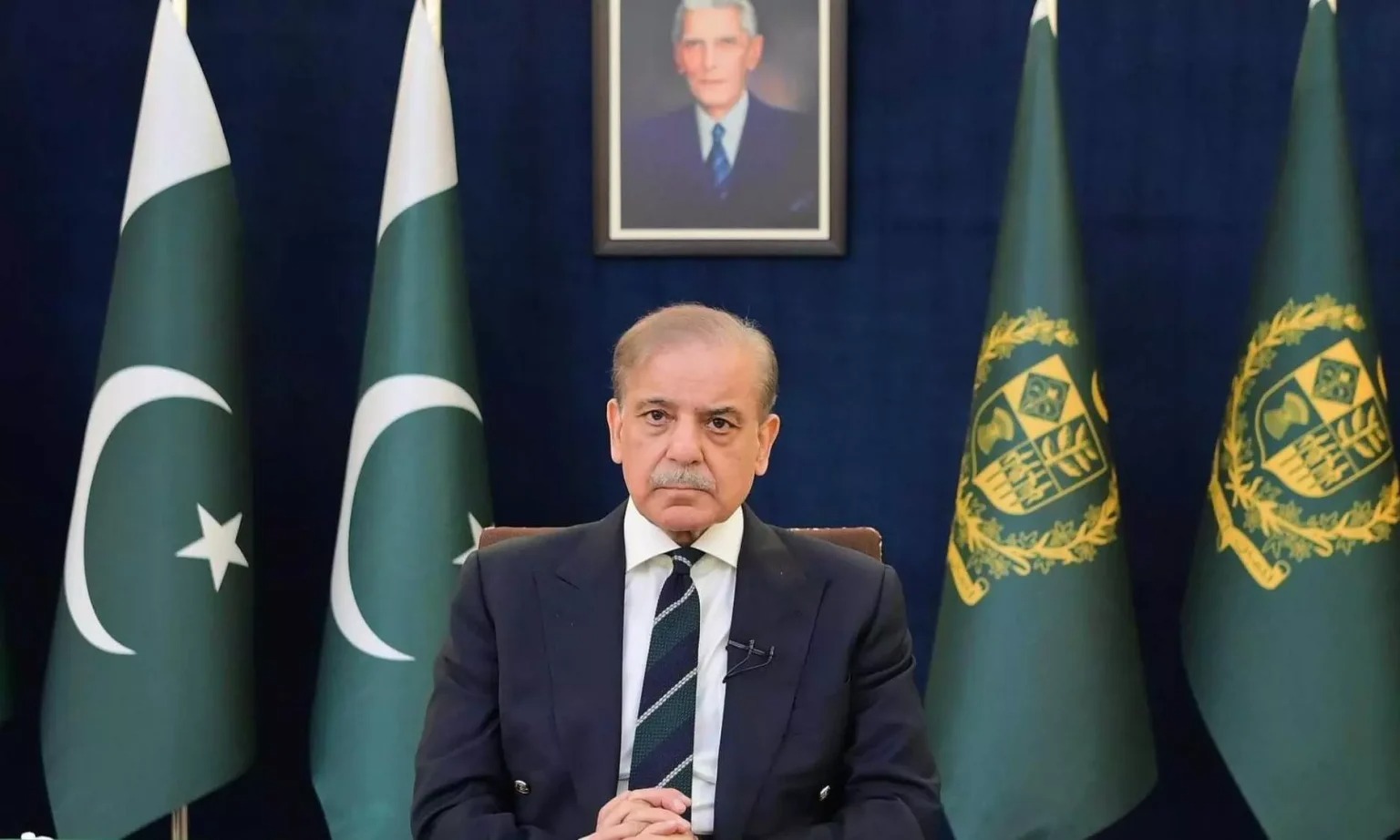
Pakistan Prime Minister Shehbaz Sharif will attend the funeral of Iran's Supreme Leader Ayatollah Ali Khamenei in Tehran on July 4, marking a significant diplomatic gesture at a critical moment in regional relations. The attendance underscores the strategic importance Pakistan places on its relationship with Iran, particularly as both nations navigate complex geopolitical dynamics in South and West Asia.
The Foreign Ministry spokesman Tahir Andrabi confirmed the participation during a media briefing in Islamabad on Thursday, emphasizing that Shehbaz will carry formal condolences from both the Pakistani government and its people to Iranian leadership and the bereaved family. This ceremonial role reflects the protocol typically extended between neighbouring nations during such high-profile transitions, signalling continuity in bilateral ties despite the significant leadership change occurring in Tehran.
The delegation accompanying Shehbaz demonstrates the gravity Pakistan attaches to this mission. Deputy Prime Minister and Foreign Minister Ishaq Dar will travel alongside the premier, along with other senior cabinet ministers. The composition of the delegation suggests substantive discussions may occur in Tehran beyond the formal funeral proceedings, potentially including matters of mutual concern ranging from trade relations to regional security challenges that affect both countries.
The timing of Shehbaz's attendance carries particular weight given recent tensions in the region and Pakistan's delicate balancing act between various powers. Iran and Pakistan share a 909-kilometre border and have longstanding economic and cultural ties, though their relationship has been periodically strained by security concerns, particularly regarding militant activity in border regions. The funeral attendance provides an opportunity to reinforce diplomatic channels with Iran's new leadership.
Following the funeral ceremony, Shehbaz will travel to Turkey at the specific invitation of President Recep Tayyip Erdogan. This two-nation tour, scheduled for July 3 to 5, reflects Pakistan's broader diplomatic strategy in West Asia. The Turkish leg of the visit will focus on bilateral matters and regional issues of mutual interest, potentially including discussions on trade, defence cooperation, and the evolving security landscape across the Middle East and South Asia.
The Pakistan delegation's participation places it among several nations whose leaders or senior representatives will pay respects to Khamenei. India, notably, will send Bihar state governor Syed Ata Hasnain and deputy foreign minister Pabitra Margherita to represent the country at the funeral ceremony. This composition suggests India may be adopting a somewhat lower diplomatic profile compared to Pakistan, with state-level rather than national-level representation.
For Malaysian and Southeast Asian observers, Pakistan's swift and high-level response to Khamenei's death illustrates the distinct regional dynamics at play in South and West Asia. The attendance reflects how closely intertwined Pakistan's foreign policy remains with developments in the Middle East, contrasting with Southeast Asian nations' more diversified engagement patterns across multiple regions.
The funeral itself represents a pivotal moment in Iranian politics, as the country transitions leadership at the highest level. Khamenei's role as Supreme Leader made him the most powerful political and military authority in Iran, and his successor will inherit enormous responsibility during a period of international tension and internal challenges. Pakistan's ceremonial participation during this transition acknowledges the potential implications for regional stability and demonstrates its commitment to maintaining productive relations with whoever leads Iran going forward.
The coordinated diplomatic engagement by Pakistan across two key regional partners within a three-day period showcases the intensive foreign policy activity required of major South Asian powers. By scheduling the Turkish visit immediately after Tehran, Shehbaz manages to address commitments to both nations while conveying Pakistan's sustained involvement in West Asian affairs. Such diplomatic choreography reflects the competing demands and opportunities facing Pakistan in a complex geopolitical environment where maintaining balanced relationships across multiple power centres remains essential to national interests.
For Pakistan, whose economy has relied on regional trade routes and cooperation mechanisms involving both Iran and Turkey, these diplomatic overtures carry economic dimensions alongside their political significance. The discussions planned during both legs of the tour may address trade facilitation, investment opportunities, and regional infrastructure projects that could benefit Pakistan's broader development agenda in coming years.

