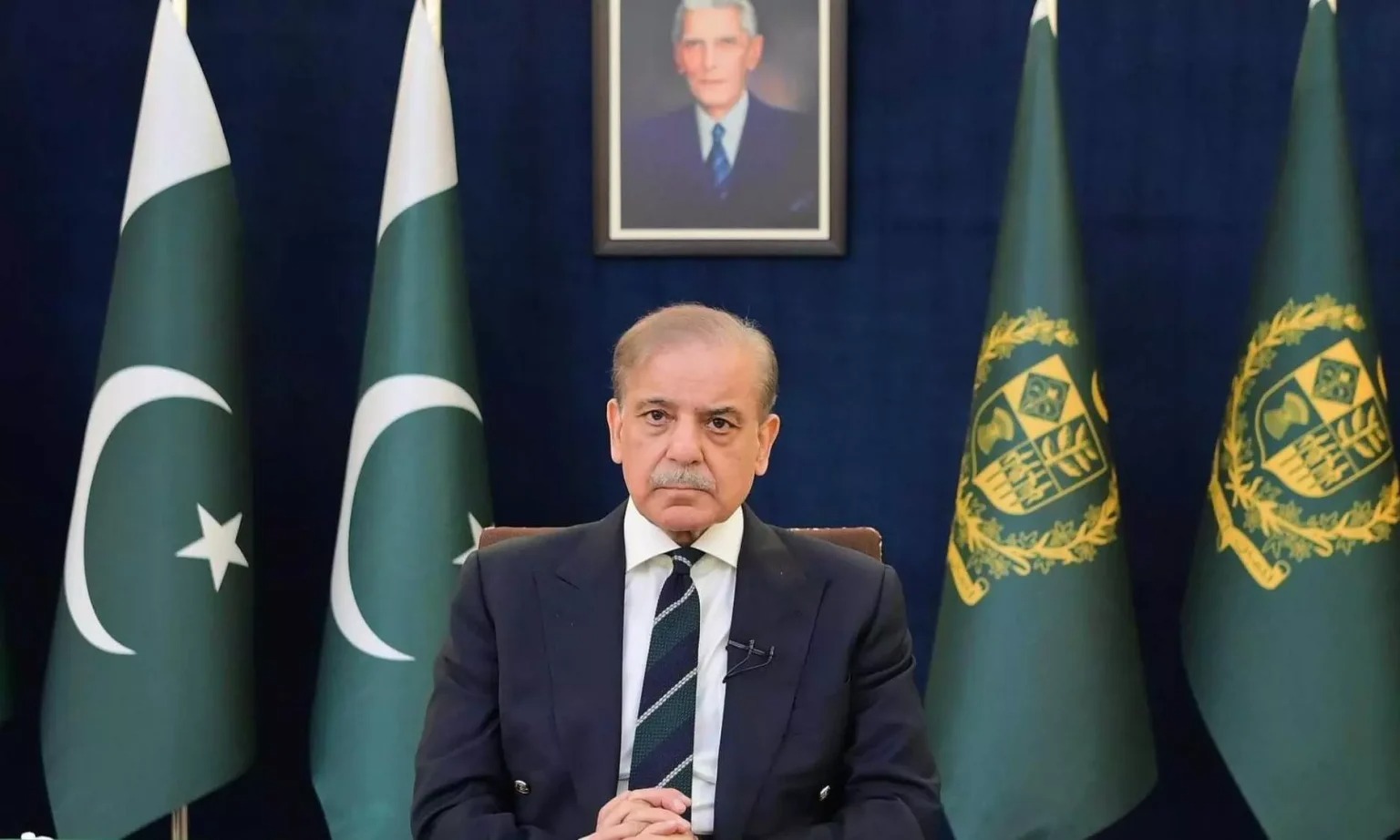
Pakistan and Syria are charting an ambitious course to revitalise their relationship, with discussions ranging from trade expansion to defence coordination during a significant diplomatic visit to Islamabad. Syrian Foreign Minister Asaad Hassan Al Shaibani's trip represents a watershed moment, marking the first visit by a Syrian foreign minister to Pakistan in approximately twenty years and signalling both nations' determination to move beyond years of limited high-level engagement.
The visit carries particular significance given the broader Middle Eastern context and Pakistan's strategic positioning in regional affairs. Shaibani's meetings with Prime Minister Shehbaz Sharif and other senior officials underscored the multifaceted nature of the proposed partnership. During his Thursday engagements in the Pakistani capital, the Syrian minister engaged with key figures across the political, defence, and commercial spheres, indicating that Islamabad views this as an opportunity to embed cooperation across multiple institutional layers rather than treating it as a symbolic gesture.
Prime Minister Sharif's reaffirmation of Pakistan's backing for Syrian unity, sovereignty, and territorial integrity reflected longstanding Pakistani foreign policy positions, particularly regarding disputed territories. The government's statement emphasised the historical foundations underpinning the two nations' relationship while articulating a vision for translating these historical ties into concrete modern cooperation. The specific mention of Pakistan's support for Syria's position on the Golan Heights demonstrated alignment on key geopolitical issues and suggested that shared perspectives on territorial disputes remain a unifying factor between the two countries.
The breadth of proposed cooperation areas reflects ambitions that extend well beyond ceremonial diplomacy. Senior officials flagged intentions to enhance engagement across politics, defence, trade, investment, education, and human resource development. For Malaysia and other Southeast Asian nations observing regional developments, this expansion of Pakistan-Syria ties illustrates how Middle Eastern states are actively pursuing diversified partnerships to strengthen their positions amid shifting international alignments. The emphasis on defence cooperation particularly warrants attention, as it suggests security frameworks may evolve in ways that reshape regional power dynamics.
Connectivity represents a crucial dimension of the renewed partnership. Both nations identified the resumption of direct flight services as a priority mechanism for strengthening people-to-people linkages and facilitating increased travel between populations. This practical step addresses the infrastructural barriers that have likely contributed to diminished engagement over preceding years. Enhanced aviation connectivity typically catalyses tourism, cultural exchange, and informal networks that sustain diplomatic relationships beyond formal state interactions. For businesses and academics in Southeast Asia with interests in either nation, such developments could ultimately create new commercial and intellectual pathways.
Deputy Prime Minister and Foreign Minister Ishaq Dar's conversations with Shaibani encompassed regional flashpoints that demonstrate overlapping security concerns. Discussions touched on Palestine, the Golan Heights, Afghanistan, South Asian developments, and broader West Asian situations. This expansive agenda reveals how contemporary Middle Eastern diplomacy increasingly involves networked discussions of interconnected regional crises. Pakistan's perceived neutrality and bridge-building capacity in Middle Eastern disputes has long been a diplomatic asset, and Syria's welcoming of Pakistan's role in promoting regional stability—including its efforts toward de-escalation in US-Iran tensions—suggests Islamabad's diplomatic profile extends influence beyond traditional spheres.
The Syrian minister's commendation of Pakistan's constructive approach to regional peace carried implicit recognition of Islamabad's mediation efforts and balancing act between competing regional powers. Syria's endorsement of the Makkah Joint Defence Agreement further indicated Damascus's comfort with Pakistan's regional positioning. For Malaysia, which similarly attempts to navigate complex regional relationships while maintaining non-aligned principles, Pakistan's diplomatic trajectory offers instructive examples of how medium-sized powers negotiate influence within larger geopolitical competitions.
Trade and investment considerations anchored discussions between Syrian and Pakistani commerce officials. Commerce Minister Jam Kamal Khan prioritised expanding economic engagement while probing Syria's reconstruction requirements—reflecting post-conflict realities that Damascus faces. Shaibani's counter-proposal for establishing a joint business council signalled Syrian readiness to institutionalise commercial engagement through formal mechanisms. This infrastructure-building approach suggests both nations recognise that sustained economic relationships require dedicated institutional structures rather than ad-hoc transactions. For Malaysian enterprises with capabilities in reconstruction and infrastructure development, Syria's rebuilding trajectory could eventually present opportunities if commercial relations between Pakistan and Syria catalyse broader regional opening.
The absence of direct flights between these nations underscores how geopolitical distance and limited engagement had constrained practical connections. Restoring aviation links would represent one of the most tangible manifestations of improved relations, immediately affecting business travel, tourism, and cultural exchange. Such initiatives often generate momentum for deeper integration across sectors and demonstrate political commitment through actions rather than rhetoric alone. The proposal for a joint business council similarly indicates intention to create sustained mechanisms for ongoing cooperation rather than treating this diplomatic opening as a temporary phenomenon.
For Malaysian policymakers and business communities monitoring Middle Eastern developments, the Pakistan-Syria rapprochement illustrates how regional actors are rebuilding networks and constructing new partnerships following years of conflict and instability. It demonstrates Damascus's gradual reengagement with the international system and Islamabad's expanding diplomatic reach. These developments may eventually influence the broader regional security architecture and create new trade patterns that affect global commerce including Southeast Asian participation. The emphasis on people-to-people linkages and private sector engagement suggests that this partnership aspires to become self-sustaining through multiple societal connections rather than remaining solely dependent on political will.

