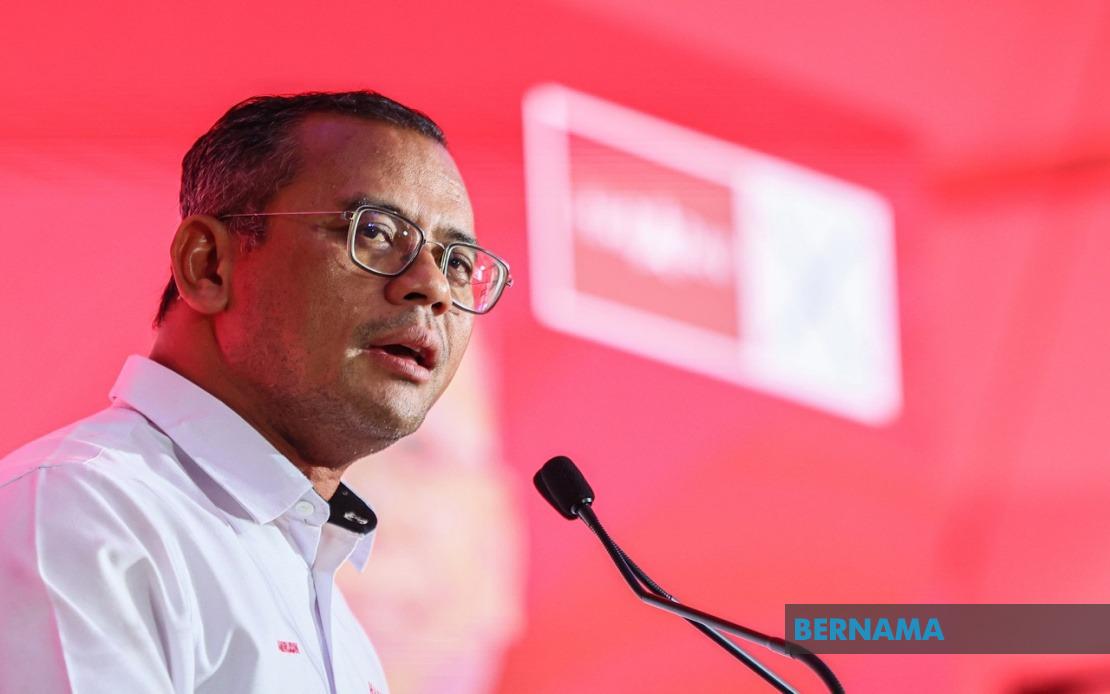
Pakatan Harapan (PH) has rejected suggestions that its manifesto for the upcoming 16th Johor State Election borrowed heavily from rival political parties, with senior coalition figures asserting instead that the document represents months of collaborative policy development by party leadership. The assertion came as the opposition bloc intensifies its campaign ahead of polling day on July 11, with Selangor Menteri Besar Datuk Seri Amirudin Shari emphasising that flagship proposals such as affordable housing and expanded healthcare support emerged from rigorous internal deliberation rather than external inspiration.
Amirudin, who holds the dual role of PKR vice-president and PH's election machinery director for Johor, defended the coalition's policy platform during a campaign event in Kluang. He stressed that critics were entitled to their opinions but that empirical evidence demonstrated the originality of PH's policy approach. The response underscores ongoing tensions between the ruling coalition and opposition camps as Johor voters prepare to cast ballots, with competing claims over policy authenticity becoming a secondary battleground during the campaign.
The housing initiative stands as a centrepiece of PH's electoral pitch to Johor residents. Amirudin pointed to Selangor's track record as validation of the coalition's commitment and capacity to deliver on such promises. Under PH administration, the Selangor state government has greenlighted construction of 174,000 affordable housing units, with approximately 40,000 already completed. These figures, according to Amirudin, demonstrate that PH's Johor target is not aspirational rhetoric but achievable policy grounded in demonstrated implementation capability elsewhere in the country.
Critics have questioned whether PH's housing target for Johor is realistic given resource constraints and timeline pressures. Amirudin responded by reframing the debate: the proposed numbers reflect genuine community demand rather than administrative convenience. He explained that the coalition's projections derive from systematic surveys and focus group consultations with party organisers across Johor, ensuring that the target addresses actual housing shortages rather than arbitrary numerical goals. This approach suggests PH is attempting to distinguish between needs-based policy design and capability-based targets, a nuance that may resonate differently among urban and rural voters.
The healthcare assistance component of PH's manifesto similarly emerged from extended coalition-wide deliberation, according to party officials. Alongside Amirudin at the Kluang event were PKR vice-president R. Ramanan, Amanah secretary-general Faiz Fadzil, and candidates for the Machap, Benut, and Layang-Layang state seats. The presence of multiple coalition partners underscored the breadth of internal consensus around the manifesto's proposals. In Malaysian political discourse, where accusations of policy borrowing can damage credibility, such testimony from coalition figures carries weight in countering opposition narratives.
Grassroots feedback has been encouraging, Amirudin reported, though he acknowledged that substantial voter support remains latent rather than openly declared. This observation reflects a common challenge in Malaysian campaigns: reluctance among certain demographics to publicly state voting intentions, particularly in contests where traditional political alignments are shifting. The implicit suggestion is that PH's actual electoral position may exceed polling-day expectations if silent supporters translate sentiment into votes.
The strategic importance of Prime Minister Datuk Seri Anwar Ibrahim's presence at upcoming campaign events cannot be overstated. Amirudin noted that the Premier's involvement would energise party machinery and strengthen voter confidence in PH's broader national leadership. This represents a calculated deployment of institutional authority to amplify local campaign messaging, a tactic particularly valuable when coalition candidates in specific constituencies face formidable incumbent or rival challengers.
The electoral mechanics of the Johor contest set the parameters for this campaign intensity. A total of 172 candidates are competing for 56 State Legislative Assembly seats, a configuration that ensures tight three-way contests in many constituencies. Early voting occurs on July 7, with main polling on July 11. This compressed timeline places premium value on high-profile endorsements and mobilisation efforts, explaining why Anwar's calendar allocation to Johor campaigning carries such tactical weight.
For Malaysian voters and regional observers tracking opposition strategy, the Johor election functions as a bellwether. Pakatan Harapan's performance here will signal whether the coalition can maintain or expand the electoral gains achieved during the 2022 general election, or whether momentum has stalled. The coalition's willingness to engage substantively on policy authenticity—rather than dismissing critiques outright—suggests internal confidence that its campaign messaging is resonating, though election outcomes remain uncertain.
The emphasis on housing and healthcare aligns with bread-and-butter concerns dominating Malaysian political discourse in 2024, particularly as cost-of-living pressures intensify nationwide. By anchoring its manifesto in these practical domains and backing claims with Selangor implementation evidence, Pakatan Harapan is attempting to move debate away from abstract ideology toward concrete policy delivery records. Whether Johor voters find this approach sufficiently persuasive to shift electoral outcomes will become evident when polls close on July 11.

