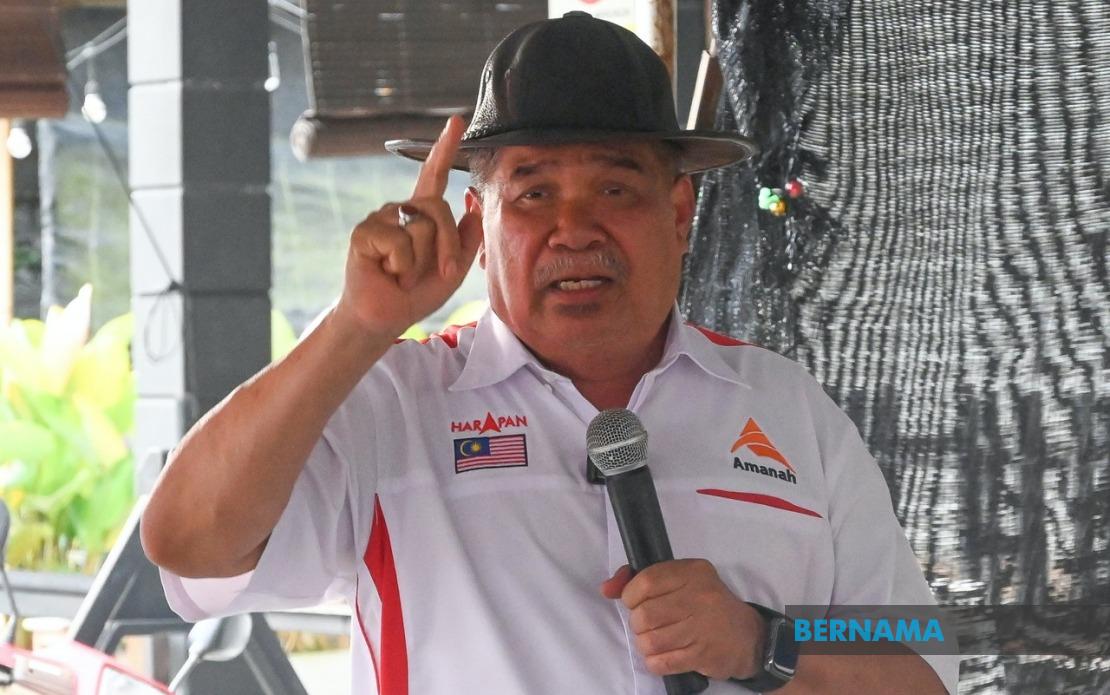
Amanah President Datuk Seri Mohamad Sabu has restated Pakatan Harapan's unwavering commitment to placing the wellbeing of ordinary Malaysians ahead of partisan calculations, even as the political landscape continues to shift beneath the coalition's feet. The message comes amid heightened speculation about closer ties between Barisan Nasional and Perikatan Nasional, developments that have prompted questions about the future stability of Malaysia's current government structure. Rather than adopting a defensive posture, Mohamad advocated for a measured response grounded in substantive achievement rather than reactive politics.
The Amanah chief's statement represents an attempt to redirect coalition messaging away from alarm over opposition manoeuvres towards a more optimistic narrative centred on governance and delivery. Mohamad emphasised that Prime Minister Datuk Seri Anwar Ibrahim remains steadfast in his dedication to safeguarding Malay-Muslim interests, but through evidence-based policymaking rather than fear-mongering rhetoric. This framing carries particular significance in Malaysia's complex ethno-religious political context, where appeals to communal anxieties have historically shaped electoral outcomes. By repositioning the government's approach as one rooted in confidence-building, Mohamad attempted to challenge what he characterised as a counterproductive cycle of threat narratives that have dominated Malaysian political discourse.
Central to Mohamad's argument is the assertion that Pakatan Harapan will neither be intimidated by the BN-PN cooperation nor tempted into responding with comparable divisive tactics. This posture reflects a calculated strategy: rather than attempt to match potential rivals blow-for-blow in zero-sum political manoeuvring, the coalition would instead stake its legitimacy on tangible improvements in citizens' lives. The position acknowledges that Malaysia's fractious political environment demands a higher bar for coalition stability, particularly when component parties face pressure from multiple directions. For Pakatan Harapan, maintaining internal cohesion while demonstrating effective governance becomes a critical pathway to surviving opposition consolidation.
The emphasis on constitutional protections for Islam as the Federation religion, the institution of the Malay Rulers, the Malay language, and Bumiputera rights underscores how Mohamad sought to address concerns within Malay-Muslim constituencies without resort to inflammatory rhetoric. By anchoring these commitments in constitutional frameworks rather than contemporary political disputes, he positioned Pakatan Harapan as the guardian of established institutional arrangements. This approach carries implications for how the coalition can differentiate itself from competitors while maintaining cross-communal appeal. The strategy essentially argues that genuine protection of minority rights and constitutional provisions comes through institutional respect and consistent application rather than perpetual crisis mobilisation.
Mohamad's critique of narratives depicting Malays as perpetually besieged represents a departure from traditional Malaysian political vernacular, where communal vulnerability has long been a potent mobilising force. His assertion that self-confidence, knowledge, integrity, and self-reliance constitute stronger foundations for Malay advancement than defensive anxiety reflects a philosophical reorientation. This framing implies that dependency on state patronage and political manipulation ultimately weakens rather than strengthens communities. For Amanah specifically, this messaging attempts to distinguish the party's vision from competitors by appealing to aspirational rather than reactive impulses among Malay voters. The gambit carries risks, however, as it challenges deeply embedded political narratives that have proven electorally effective for other parties.
The Minister's observation that the contemporary Malay community has grown more politically mature and resistant to divisive sentiment speaks to demographic and educational shifts within Malaysian society. Younger, more urban, and better-educated Malay voters increasingly seek substantive policy engagement rather than symbolic positioning. This demographic evolution potentially creates opportunities for coalition partners to reshape political competition around performance metrics, economic outcomes, and institutional stability. However, it equally suggests vulnerability if the coalition fails to deliver measurable improvements in living standards, educational outcomes, or economic mobility.
Mohamad's comments reflect broader positioning within Pakatan Harapan as it navigates the delicate balance between affirming Malay-Muslim identity and maintaining a multiethnic, multifaith coalition structure. Amanah has historically occupied this space, attempting to appeal to progressive Malay constituencies while maintaining non-Malay coalition support. The statement reinforces this dual appeal by arguing that genuine national development and constitutional respect serve all communities better than factional conflict. This reasoning carries particular weight in a Malaysian context where political stability and economic competitiveness increasingly depend on avoiding the zero-sum identity politics that previously dominated governance.
The positioning also addresses internal coalition dynamics, potentially signalling to other Pakatan Harapan components that the coalition should project unified confidence rather than fragmentation anxiety. For DAP, PKR, and smaller coalition members, Amanah's leadership in articulating this message serves an important functional role. It allows the coalition to maintain its multiethnic character while simultaneously addressing the specific concerns and aspirations of its Malay-Muslim base. This becomes particularly important as the coalition competes for support among swing voters in mixed constituencies where communal sensitivities remain salient despite urbanisation and modernisation trends.
The broader context of this statement includes ongoing questions about Malaysia's political economy and development trajectory. As the government pursues economic reforms, debt reduction, and institutional strengthening, messaging around national priorities becomes crucial for building public buy-in. Mohamad's emphasis on building a self-reliant, technologically competent, and internationally competitive Malay population directly connects identity politics to development goals. This framing potentially allows the coalition to bypass conventional debates about affirmative action and instead focus on productivity, innovation, and economic dynamism as vehicles for community advancement. Whether this rhetorical reorientation can translate into concrete policy shifts and sustained electoral support remains an open question for Pakatan Harapan as Malaysian politics continues evolving.

