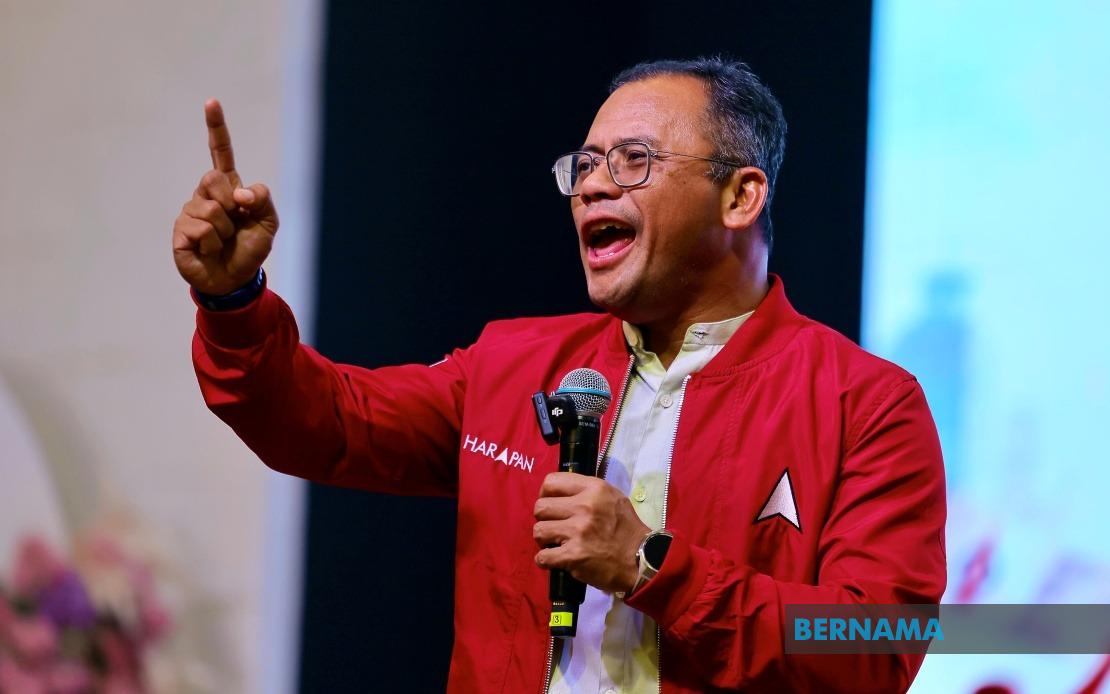
Pakatan Harapan formally presented its election platform to voters on July 3 with the launch of the 'Johor for All' manifesto, signalling the coalition's comprehensive vision for the state ahead of the 16th Johor state election. The initiative reflects the opposition bloc's attempt to consolidate support in one of Malaysia's most politically competitive states, where control of the legislature remains contested between major coalitions.
The manifesto rollout took place in Johor Bahru, with Datuk Seri Amirudin Shari, a senior figure within the PH leadership structure and co-election director for PKR, presiding over the ceremony. His presence underscored the national importance PH assigns to the Johor contest, as senior party echelons typically reserve personal participation for contests deemed strategically vital to overall coalition prospects.
Aminolhuda Hassan, chairman of the PH machinery in Johor, joined the event alongside other key figures including Teo Nie Ching, who leads the Democratic Action Party's operations in the state, and Datuk Seri Dr Zaliha Mustafa, heading PKR's Johor branch. This assembly of regional party leadership demonstrated the coordination effort PH is deploying across its component parties to present a unified electoral message to Johor voters.
The gathering also brought together the full roster of PH candidates standing for the state legislature, enabling the coalition to project unity and readiness across its candidate slate. Such inclusive events serve multiple purposes within Malaysian electoral politics: they energise candidate morale, demonstrate party organisational capacity to the media and watching public, and provide a visual representation of coalition cohesion that polling strategists track closely.
Johor represents significant electoral terrain for opposition parties in Malaysia. The state has historically alternated between different governing coalitions, and its 56 state assembly seats carry implications extending beyond state governance into national political calculations. An opposition victory in Johor would reshape Malaysia's subnational political map and potentially influence national political dynamics, given the state's economic weight and population size.
The 'Johor for All' branding choice itself merits attention. The inclusive language suggests PH's strategy of appealing across traditional voter segments—an approach designed to broaden the coalition's base beyond its core supporters. In Malaysian politics, such inclusive messaging typically emphasises shared prosperity, good governance, and protection of diverse community interests, allowing the coalition to compete for votes among undecided voters and swing constituencies.
Manifesto launches represent critical moments in election campaigns. They crystallise a coalition's promises into documented form, creating a public record against which voters and media can later measure performance. For opposition parties particularly, manifestos function as credibility instruments, demonstrating that they possess detailed policy thinking and are prepared to govern, not merely to criticise incumbents.
PH's choice to front-load its manifesto launch—announcing it early in the campaign cycle—suggests confidence in its messaging and desire to shape early campaign narratives. This approach allows the coalition to frame the election debate around its own policy platform rather than reactive responses to government initiatives, potentially setting the terms through which voters evaluate competing claims and promises.
The presence of PKR's Datuk Seri Dr Zaliha Mustafa reflected the party's traditional strength in Johor politics. PKR has maintained a presence in the state legislature across multiple election cycles, and its participation in the manifesto launch reaffirmed its role as a PH anchor within Johor's political landscape. The balance between PKR and DAP representation at the event also demonstrated how multi-party coalitions navigate visible leadership while maintaining internal party standing.
Johor elections carry particular significance for DAP, which has been strengthening its electoral footprint in peninsular states beyond its traditional strongholds in Penang and Selangor. Teo Nie Ching's leadership of the DAP operation in Johor and her participation in the manifesto event underscored the party's ambitions to expand its legislative representation in the state.
The manifesto launch occurs within Malaysia's broader political context of coalition competition and realignment. The emergence of multiple competing blocs—Pakatan Harapan, Barisan Nasional, and Perikatan Nasional—has fragmented voter choice and created more fluid electoral dynamics than characterised earlier periods of Malaysian politics. In this environment, clearly articulated policy platforms and broad-based voter coalitions become more strategically valuable.
For Malaysian and Southeast Asian observers, the Johor election represents a significant test of opposition viability and coalition stability within ASEAN's largest democracy. The ability of PH to maintain cohesion across its component parties, articulate consistent messaging through a manifesto, and translate that platform into electoral support will carry implications for Malaysia's political trajectory and the broader question of whether opposition coalitions can mount sustained challenges to incumbent frameworks across the region.
The weeks following the manifesto launch would typically involve intensive ground campaigning, media engagement, and candidate-level activism designed to translate the coalition's policy promises into voter mobilisation. The 'Johor for All' platform provides the overarching framework through which PH candidates would pitch their individual candidacies and localised campaign messages to different voter segments across the state.

