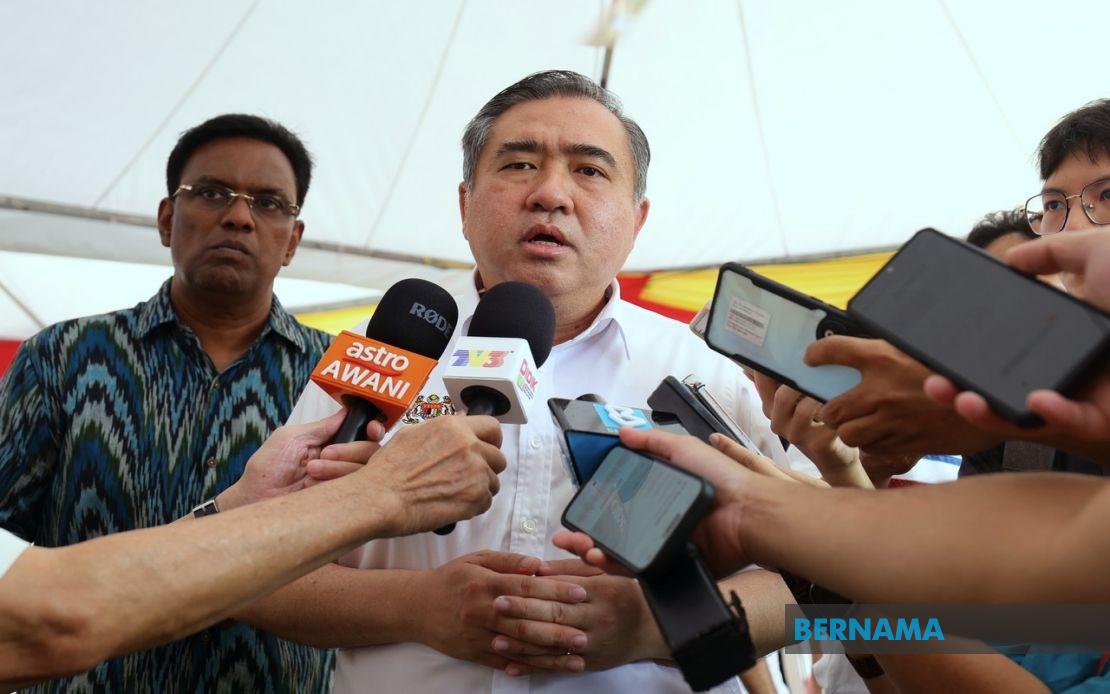
Pakatan Harapan has publicly declared its readiness to confront whatever political configurations its rivals might construct as the Negeri Sembilan state election approaches, refusing to be rattled by speculation about a potential Barisan Nasional and Perikatan Nasional collaboration. DAP secretary-general Anthony Loke conveyed this defiant posture while launching development programmes in Seremban, emphasising that his coalition would concentrate on consolidating its own electoral foundation rather than becoming preoccupied with opposition manoeuvres.
Loke's comments arrive amid mounting reports that BN and PN are engaged in complex negotiations over seat distribution and constituency arrangements for the forthcoming Negeri Sembilan contest, a strategic calculus that could significantly reshape the political landscape in this crucial state. The DAP leader drew parallels to recent electoral experiences, particularly the Johor state election, where similar tactical positioning by rival camps had failed to destabilise PH's campaign focus and internal cohesion. His remarks reflect a broader strategic choice by the incumbent coalition to avoid being drawn into defensive posturing and instead project confidence in its fundamental strengths.
At the heart of PH's electoral strategy in Negeri Sembilan lies the consolidation of unity among its constituent parties, a task Loke identified as absolutely essential for securing the seats the coalition contests. This emphasis on internal discipline and message discipline suggests that PH leadership recognises potential vulnerabilities within its own ranks, particularly given recent defections and friction in other states. The party secretary-general stressed repeatedly that the coalition's victory prospects depend far less on predicting opposition tactics and far more on the demonstrated capacity of component parties to work in harmonious coordination, a lesson learned through previous electoral cycles.
When pressed on reports that Chinese voters might gravitate towards opposition parties, particularly the Malaysian Chinese Association within the BN framework, Loke adopted a philosophical stance that ultimately defers to electoral outcomes rather than pre-poll surveys and claims. He acknowledged that such demographic shifts represent a perennial concern in Malaysian electoral politics, especially in states with significant Chinese communities, but argued that speculative commentary before voting day carries limited predictive value. This measured response reflects awareness of genuine concerns within PH's support base while attempting to project unshakeable confidence in the coalition's appeal across all voter communities.
Loke identified the track record of the Negeri Sembilan state government under Menteri Besar Datuk Seri Aminuddin Harun as PH's most potent electoral asset in the forthcoming contest. The seven-year tenure since 2018 provides a substantive foundation for claims about effective governance, infrastructure development, and responsive administration, distinguishing PH's actual performance from the aspirational promises typically offered by opposition challengers. This focus on demonstrated results rather than rhetorical appeals represents a calculated strategy to remind voters of concrete improvements in their daily lives and communities, a particularly resonant argument in rural and semi-urban constituencies where visible infrastructure upgrades carry outsized political weight.
The Transport Minister also addressed the separate political upheaval in neighbouring Melaka, where DAP's decision to withdraw from the state administration precipitated considerable institutional disruption. Loke characterised the decision as final and irreversible, noting that his party had fully articulated its rationale and that the state government had subsequently restructured its legislative assembly seating arrangements to accommodate the changed political configuration. This statement served multiple purposes: reassuring the Melaka party structure of leadership support, signalling to the broader public that DAP maintains principled positions on governance matters, and demonstrating that the party functions with clear decision-making processes despite momentary turbulence.
Loke's remarks regarding the MADANI Adopted Village initiative reveal ongoing sensitivity to perceptions that government development programmes serve primarily as electoral instruments deployed strategically before polling periods. He mounted a direct rebuttal to such criticisms, contending that the initiative represents sustained, continuous effort by multiple ministries since 2025 to systematically upgrade rural infrastructure and deliver tangible community benefits. This defensive posturing acknowledges that Malaysian voters possess considerable scepticism about government initiatives timed to electoral cycles, a legitimate concern rooted in decades of political experience. The Transport Minister's insistence on programme continuity and multi-ministry participation suggests an attempt to establish credibility through institutional breadth rather than concentrated ministerial activity.
The specific allocation of MADANI programmes to communities near Seremban—including Kampung Baru Mantin under the village initiative, Kampung Mantin Dalam under the Santuni MADANI programme, and Sekolah Jenis Kebangsaan Cina Chung Hua Mantin as an adopted school—demonstrates PH's concentrated attention on tangible community benefits in the electoral battleground. These selections reflect deliberate positioning to showcase government commitment across different community segments: village development, social welfare, and vernacular education. Such targeted allocation of visible improvements serves as practical evidence of responsive governance and resource distribution, particularly important in rural constituencies where basic infrastructure enhancements directly impact quality of life.
For Malaysian political observers, Loke's statements encapsulate the broader strategic calculus confronting PH as various state elections loom and the 2026 general election draws nearer. The coalition's determination to avoid reactive posturing in response to BN-PN coordination suggests confidence in internal stability, though the emphasis on party unity simultaneously betrays awareness of latent fragmentation risks. The coalition's pivot towards emphasising performance and demonstrated governance achievements rather than attacking opposition tactics or engaging in pre-emptive positioning reflects a maturation of electoral strategy, moving beyond dramatic rhetoric towards substantive claims grounded in administrative records.
The Negeri Sembilan contest will ultimately test whether PH's strategy of internal consolidation, performance emphasis, and programmatic delivery can overcome the combined organisational weight and resources that a coordinated BN-PN alliance might mobilise. The state, with its diverse urban and rural constituencies and its significant Chinese population, represents a microcosm of broader Malaysian electoral trends and shifting voter alignments. PH's demonstrated ability to retain power while navigating potential defections, managing coalition tensions, and delivering visible improvements in living standards will carry implications extending well beyond Negeri Sembilan's borders into national political calculations and inter-coalition dynamics heading towards the next general election.

