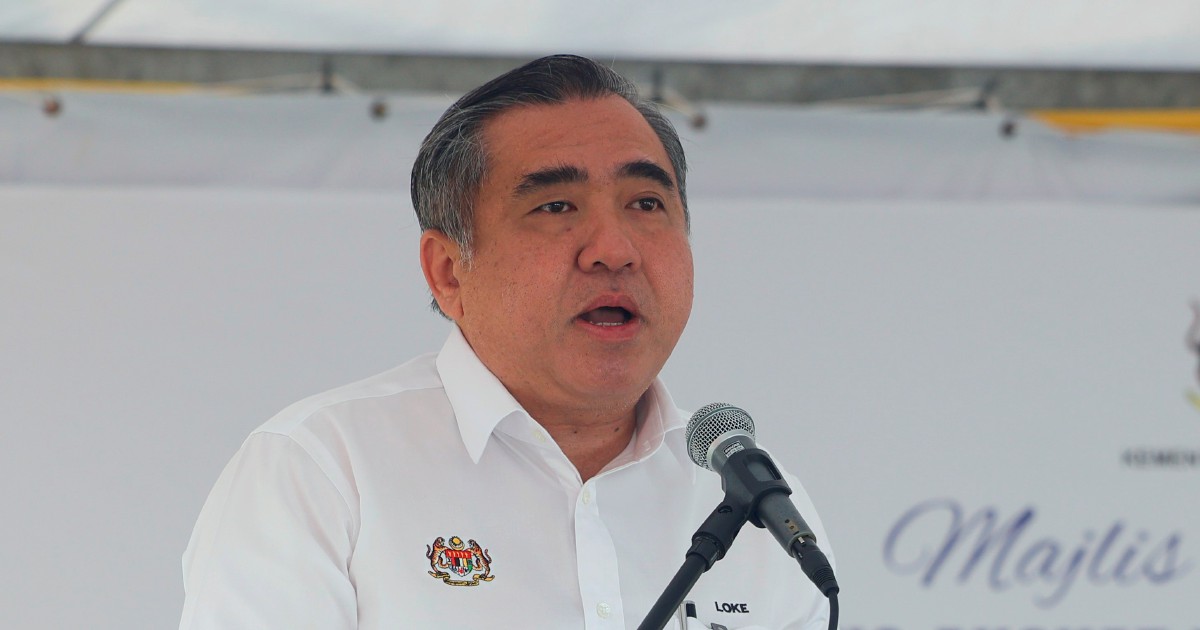
Pakatan Harapan has declared itself ready to counter any political configuration its rivals might adopt in the Negri Sembilan state election, flagging particular concern about the possibility of a joint campaign between Barisan Nasional and Perikatan Nasional. The statement reflects the coalition's recognition that Malaysia's fractured political landscape increasingly favours unpredictable electoral alliances, forcing major parties to prepare contingency strategies across multiple scenarios.
The willingness to face diversified opposition strategies represents a significant evolution in how Malaysia's dominant coalitions approach state-level contests. Rather than assuming traditional two-way contests between established rivals, Pakatan Harapan acknowledges that Negri Sembilan may become a testing ground for new combinations of political forces. This adaptability suggests the coalition has learned from recent electoral surprises across other states, where unexpected partnerships reshaped competition dynamics and voter behaviour.
Negri Sembilan holds particular strategic importance within Malaysian federalism. As a state with a unique constitutional arrangement where the Yang di-Pertuan Besar holds substantial executive authority, the political complexion of the state assembly directly influences governance. A Pakatan Harapan victory would consolidate the coalition's control over multiple major states, strengthening its national position ahead of any future general election. Conversely, a loss would represent a setback in regions where the coalition has previously held advantage.
The potential for a Barisan Nasional and Perikatan Nasional partnership would reflect the ongoing realignment of Malaysia's political ecosystem. Both coalitions have experienced significant internal pressures and electoral challenges in recent years, making tactical alliances increasingly attractive. Such cooperation would concentrate substantial grassroots machinery and financial resources against Pakatan Harapan, requiring the coalition to deploy its organisational strengths effectively across all constituencies.
For Malaysian voters and political observers, the prospect of shifting alliances underscores the absence of ideological coherence in contemporary politics. Rather than clear policy differences driving electoral choices, voters increasingly navigate contests defined by personality, regional interests, and tactical manoeuvring. This fragmentation creates both opportunities and challenges for all coalitions, as stable voter bases become less reliable predictors of electoral outcomes.
Pakatan Harapan's proactive messaging regarding opposition strategies also serves a psychological function within its own ranks. By acknowledging potential rival combinations publicly, the coalition signals confidence and preparedness to supporters, potentially forestalling demoralisation if opposition alliances materialise. This framing encourages party members to view electoral challenges as expected rather than surprising, thereby maintaining internal discipline and campaign energy throughout the election period.
The timing of such statements also merits attention within Malaysia's electoral calendar. As state elections advance towards formal announcement, political parties intensify public positioning to shape media narratives and voter perceptions. Pakatan Harapan's readiness declaration effectively claims the high ground of strategic sophistication, suggesting the coalition remains master of its political destiny regardless of opponent behaviour.
Negri Sembilan's specific demographics and geographic distribution present distinct challenges for all competing coalitions. The state encompasses urban areas with concentrated voter populations, rural constituencies requiring extensive ground presence, and communities shaped by distinct economic sectors. A multi-coalition contest would complicate voter mobilisation, as campaigns must address differing opponent strengths in various districts rather than pursuing uniform strategies across the state.
The broader Southeast Asian context illuminates Malaysia's current political trajectory. Across the region, coalition governments and multi-party democracies increasingly feature provisional alliances formed for pragmatic advantage rather than shared ideology. Thailand, Indonesia, and the Philippines all demonstrate how electoral competition can produce unexpected partnerships that reshape political geography. Malaysia's evolution towards similar patterns reflects global trends in democratic competition where traditional alignments fragment and reform.
For international observers and regional analysts, Negri Sembilan's upcoming election will reveal whether Malaysia's political system can maintain stability amid fluid coalitional arrangements. If competing blocs can organise themselves effectively through successive realignments while preserving democratic processes, the system demonstrates resilience. Conversely, if rapid shifting of alliances produces governance challenges or voter confusion, fundamental questions about institutional sustainability emerge.
Pakatan Harapan's preparation for multiple opposition scenarios ultimately reflects mature political competition, where adaptation to changing circumstances supersedes rigid strategic assumptions. The coalition's readiness conveys to Malaysian voters that the forthcoming contest, whatever its eventual configuration, will be contested vigorously by an organisation confident in its organisational capabilities and popular support. Whether this confidence proves warranted will become clear as formal campaigning commences and voter sentiment crystallises around candidates and promises.

