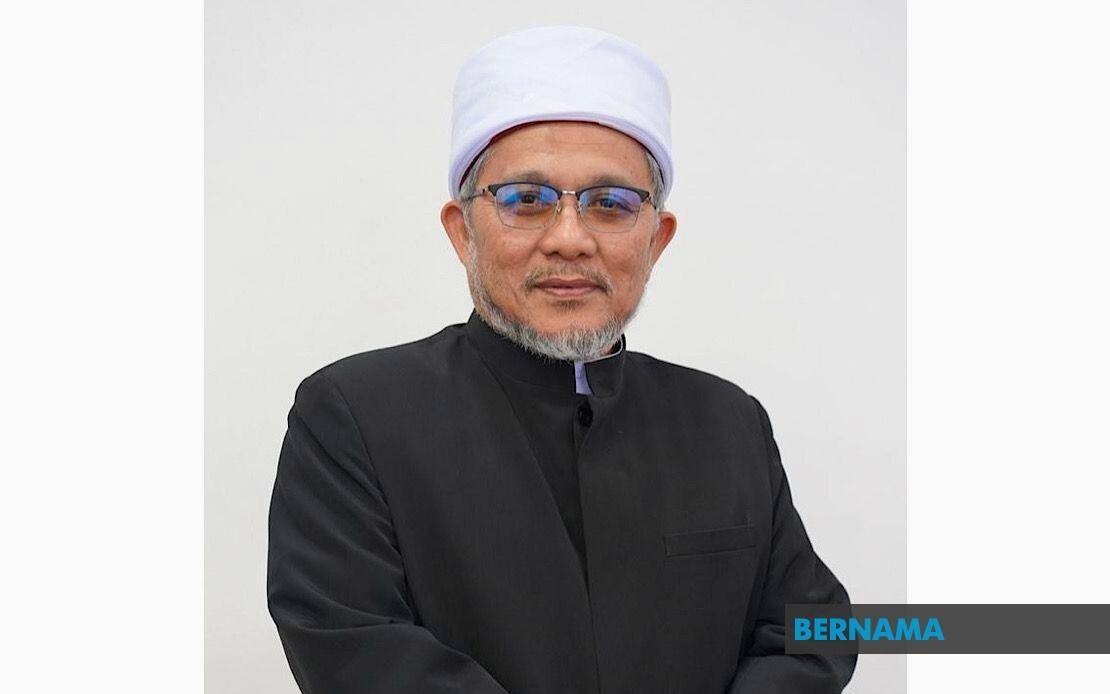
Pahang's top Islamic officials have moved to solidify the Sultan of Pahang's position on preserving the centrality of mosques and suraus in the state's religious infrastructure, signalling a measured approach even as some federal-level figures explore alternative venues for congregational worship. The Pahang Mufti Department and the Pahang Islamic Religious and Malay Customs Council (MUIP) jointly underscored this commitment in a formal statement released from Kuantan, reflecting ongoing deliberations about where Friday prayers ought to take place in Malaysia's evolving religious landscape.
Pahang Mufti Prof Datuk Dr Asmadi Mohamed Naim, speaking on behalf of the state's Islamic establishment, explained that while the Sultan has acknowledged proposals circulating nationwide to host Friday prayers within shopping mall premises, the royal decree emphasises continuity with tradition. The Sultan's stance reflects a constitutional reality: under Malaysia's federal framework, matters concerning mosques, suraus, and Islamic worship fall squarely within state jurisdiction, a principle enshrined in the Ninth Schedule of the Federal Constitution. This positioning underscores how Pahang intends to exercise its authority as the custodian of these facilities.
Asmadi articulated a strategic rationale underpinning the Sultan's directive, noting that MUIP, as the body delegated to represent the Sultan in matters of religious infrastructure, has already undertaken comprehensive planning to ensure mosques and suraus are distributed according to community needs throughout the state. This methodical approach suggests that existing facilities already possess sufficient capacity and geographic spread to serve congregants without necessitating alternative spaces. The Pahang Mufti's remarks imply that a decentralised shopping mall model could fragment the cohesion that centralised religious spaces traditionally provide.
To underscore this point, authorities highlighted several key facilities now operational or nearing completion across Pahang. These include the Sultan Ahmad 1 State Mosque in Kuantan, a landmark religious edifice, alongside the Tepian Putra Mosque, the soon-to-be-opened Bandaraya Mosque, and the Al-Shafie Mosque situated in Kota SAS. The roster of facilities demonstrates that Pahang has invested substantially in upgrading its religious infrastructure to accommodate growing congregations. Such facilities are specifically designed to meet the stringent requirements governing Friday prayers within Islamic jurisprudence.
The Islamic scholars in Pahang emphasise that Friday prayers, under the Syafi'i school of Islamic thought prevalent in Malaysia, operate within a precise regulatory framework. These gatherings must occur during the Zohor prayer period, necessitate a minimum attendance of 40 congregants, be preceded by two formal sermons, and be conducted at designated venues specifically authorised for this purpose. Critically, the regulations also stipulate that Friday prayer venues in neighbouring areas must not duplicate congregations, a rule designed to maintain organisational integrity and prevent fragmentation of the faithful.
This technical clarification becomes significant when evaluating whether shopping malls represent appropriate venues. Most commercial spaces would struggle to consistently meet these multifaceted criteria, particularly the requirement to avoid overlapping congregations and the need for sermons and prescribed prayer protocols. The emphasis on these conditions by Pahang's religious authorities suggests that shopping malls, conceived primarily as commercial enterprises with transient foot traffic, lack the structural and organisational infrastructure necessary for authentic Friday prayer observance. Such venues would likely create confusion and administrative complications rather than enhance religious practice.
The Pahang position gains additional context from recent statements made by Minister in the Prime Minister's Department (Religious Affairs) Datuk Dr Zulkifli Hasan, who on the preceding Sunday had expressed openness to piloting Friday prayers in shopping malls across the Federal Territories, citing positive feedback from earlier experiments. This apparent divergence between federal and state approaches highlights the tension between innovation and tradition, as well as the genuine federalism embedded within Malaysia's constitutional arrangement. States retain substantial discretion in religious matters, permitting them to chart distinct paths even when federal-level officials advocate alternative approaches.
Pahang's reaffirmation thus represents not obstruction but rather the exercise of legitimate state authority grounded in constitutional principle. The state has determined, through its religious machinery, that the existing mosque and surau network constitutes the appropriate mechanism for fulfilling congregational worship obligations. This decision carries implications extending beyond Pahang itself, potentially influencing discussions within other states contemplating their own policies on this issue. The articulate framing of Pahang's position—rooted in Islamic jurisprudence, constitutional law, and practical considerations—provides a substantive counterpoint to the shopping mall proposal.
For Malaysian Muslims and observers monitoring religious policy development, Pahang's stance underscores the enduring significance of formal, dedicated religious spaces in maintaining spiritual community and administrative order. While modernisation inevitably shapes how societies practise faith, Pahang's authorities argue that certain religious functions retain inherent value precisely because they require specific conditions and structured environments. The shopping mall experiment, even if successful in some Federal Territory contexts, need not become the template for all Malaysian states, particularly those possessing well-developed mosque infrastructure.
Looking forward, the Pahang declaration may subtly influence how other state governments approach similar decisions. By grounding its position in Islamic jurisprudence, constitutional federalism, and practical facility planning rather than mere conservatism, Pahang has provided a principled framework for states seeking to balance religious innovation with institutional integrity. The coming months will reveal whether other states adopt comparable approaches or whether federal encouragement gradually shifts state policies toward greater experimentation with alternative venues.

