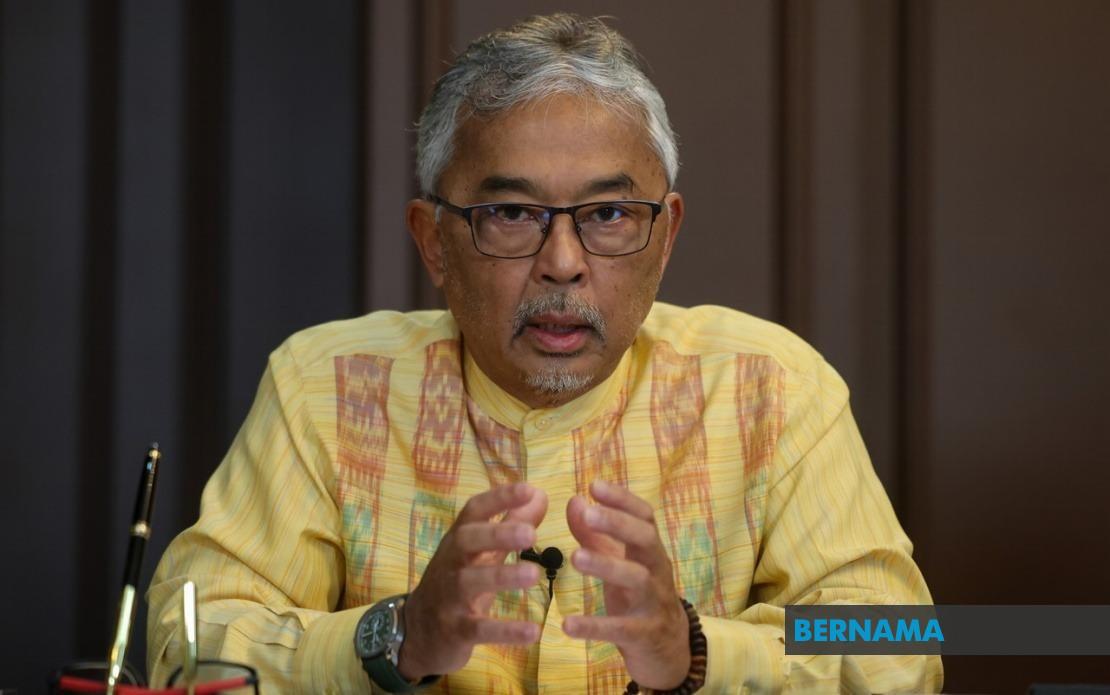
Al-Sultan Abdullah Ri'ayatuddin Al-Mustafa Billah Shah, the Sultan of Pahang, has issued a directive requiring all local authorities throughout the state to undertake systematic inspections and evaluations of mature and aging trees that could endanger public safety. The order represents a proactive approach to preventing tragedy following a series of incidents where falling trees have claimed lives and caused injuries to civilians across the nation.
The mandate extends comprehensively across multiple settings where public interaction is commonplace. Local authorities must prioritise assessment of trees in high-traffic zones, including roadside locations, residential communities, and other venues regularly frequented by residents and visitors. This expansive scope reflects recognition that hazardous trees pose risks in diverse urban and suburban environments, not merely in isolated or obvious danger zones.
Central to the Sultan's directive is the emphasis on regularity and thoroughness. Rather than one-off inspections, authorities are expected to establish ongoing monitoring protocols capable of identifying trees in progressively deteriorating condition. This sustained approach acknowledges that tree health can degrade over time, and what appears structurally sound during an initial assessment may develop weaknesses requiring intervention months or years later.
The instruction carries an implicit urgency: local authorities must act decisively when inspections reveal problematic trees. The Sultan explicitly cautioned against complacency or delay, urging PBTs not to postpone remedial action until catastrophic failure occurs. This framing underscores a critical shift in municipal responsibility from reactive response to proactive risk elimination, positioning tree safety as an essential governance obligation rather than a peripheral maintenance concern.
The timing of this directive reflects genuine concern rooted in recent events. Multiple incidents involving tree falls have devastated communities across Malaysia, causing fatalities and injuries that might have been preventable through early intervention. The Sultan's statement acknowledges these tragedies as a catalyst for systemic change, transforming isolated incidents into a broader imperative for preventive action across Pahang's municipalities.
For Malaysian readers, particularly those in urban and suburban areas, this order carries immediate relevance. Trees lining residential streets, parks, and commercial zones represent a ubiquitous environmental feature often taken for granted despite their potential hazards. Severe weather events, age-related decay, disease, and structural compromise can render large trees catastrophically dangerous, yet inspections remain inconsistent across different municipalities. The Sultan's intervention standardises expectations and creates accountability mechanisms within Pahang.
The broader context for such measures extends beyond Pahang's borders. Southeast Asia's tropical climate, with intense monsoon seasons and sudden severe weather patterns, creates conditions where tree failure becomes increasingly common. Aging urban tree stocks, many planted decades ago without adequate space for full maturation, compound vulnerability. Neighbouring states may view Pahang's systematic approach as a model for their own public safety protocols, particularly as climate variability continues to intensify environmental stressors.
Implementing the directive effectively will challenge many local authorities, particularly smaller municipalities with limited budgetary capacity. Professional arboriculturists capable of assessing tree health, diagnosing structural weaknesses, and recommending removal or mitigation remain scarce in many regions. Training personnel, acquiring diagnostic equipment, and budgeting for potentially expensive tree removal operations represent substantial institutional demands. The Sultan's directive therefore implicitly advocates for resource allocation to municipal forestry management.
The emphasis on early identification and preventive action aligns with international best practices in urban forestry and public safety management. Rather than waiting for dramatic failures that prompt emergency responses and litigation, proactive assessment enables planned removal or treatment of problematic specimens. This approach reduces injury and death, minimises property damage, and decreases associated emergency response costs. For residents, it translates into greater security in parks, along neighbourhood streets, and in public gathering spaces.
Pahang's directive also establishes precedent regarding governmental responsibility for environmental hazards. By explicitly ordering inspections and follow-up action, the Sultan positions the state government as accountable for tree-related public safety. This stance empowers residents to expect competent management of vegetation in shared spaces and provides them recourse if authorities demonstrably neglect their obligations. The statement effectively communicates that protecting citizen safety supersedes other municipal priorities.
Looking forward, the effectiveness of this initiative will depend on sustained political will and adequate resourcing. Local authorities must translate the directive into concrete protocols, training programs, and budgets. Regular reporting mechanisms should track inspection completion rates, tree assessments conducted, hazardous specimens identified, and remedial actions executed. Without such accountability infrastructure, initial enthusiasm may dissipate as other municipal pressures emerge.
The Sultan's intervention ultimately reflects recognition that effective governance requires anticipating danger rather than merely responding to crises. In the context of public safety in increasingly congested urban areas vulnerable to environmental variability, such proactive measures represent responsible stewardship. As Malaysia's cities continue expanding and aging infrastructure demands greater attention, similar systematic approaches to identifying and mitigating environmental hazards may become essential across multiple sectors and states.

