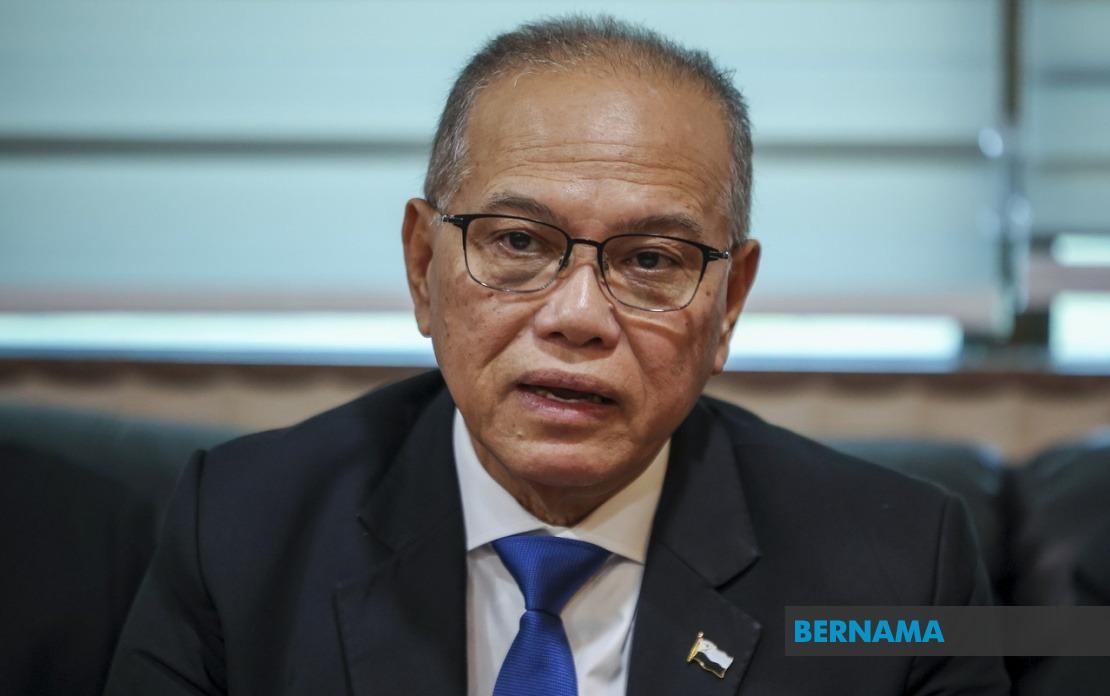
Pahang's fiscal performance through late August demonstrates the state government's capacity to maintain steady revenue streams while pursuing broader economic development objectives. Menteri Besar Datuk Seri Wan Rosdy Wan Ismail revealed during the State Legislative Assembly sitting at Wisma Sri Pahang that the collection of RM921.72 million represents solid progress toward the annual target of RM1.279 billion, with nearly three-quarters of the year's revenue goal already secured.
The revenue achievement reflects more than simple accounting success; it signals underlying economic vitality across Pahang's diverse sectors. With nearly eight months of the year elapsed, the state government appears positioned to surpass its financial objectives, barring significant economic disruptions. This trajectory carries implications for public spending capacity in the final quarter and provides flexibility for policymakers planning allocations for the coming fiscal year.
Pahang's broader economic indicators underscore why revenue collection has progressed favorably. The state's Gross Domestic Product expanded to RM71 billion in 2025 from RM68.8 billion in the prior year, demonstrating sustained expansion across the economy. This growth trajectory creates additional tax bases and commercial activity that feed into state coffers through various levies, licenses, and fees. For a state economy historically dependent on primary industries and emerging manufacturing sectors, such growth indicates diversification progress and improved resilience.
Investment flows constitute another pillar supporting the state's fiscal optimism. As of August 2026, Pahang recorded RM11.47 billion in committed investments—projects that have received approval but not yet fully deployed capital. More substantively, realized investments reached RM1.044 billion, reflecting actual capital deployment that generates employment, business activity, and ultimately tax revenue. These figures suggest confidence among both domestic and foreign investors regarding Pahang's business environment and growth potential.
The state government's confidence in its economic trajectory is evident in its expanding social spending. The Makmur Pahang Initiative, designed to distribute direct benefits to the population, received cumulative allocations of RM173.93 million across 2024 to 2026. The initiative's funding reveals escalating commitment, rising from RM38.8 million in 2024 through RM50.54 million in 2025 to RM84.59 million in 2026. This progression demonstrates how improved revenue collection translates into enhanced welfare provisions, addressing concerns about inclusive growth and ensuring prosperity reaches beyond corporate balance sheets.
Wan Rosdy's remarks to the State Legislative Assembly position Pahang within Malaysia's competitive intergovernmental fiscal landscape. State governments compete for investment, talent, and commercial activity; revenue generation and spending capacity become proxies for administrative competence and economic attractiveness. Pahang's ability to sustain growth while maintaining balanced budgets strengthens its negotiating position with federal authorities on revenue-sharing arrangements and development allocations.
The timing of this revenue disclosure carries political significance within Pahang's governance structure. By highlighting strong financial performance, the administration reinforces its stewardship narrative ahead of budget deliberations. The planned increase in Makmur Pahang Initiative funding for the forthcoming year, contingent on state budget approval, creates anticipation for additional announcements and demonstrates forward-looking policy planning. Such presentations establish the context within which opposition parties and independent assemblymen evaluate government performance.
For Malaysian readers across other states, Pahang's revenue trajectory offers comparative perspective. East Coast states like Pahang traditionally face development disadvantages relative to Selangor and Kuala Lumpur, yet this performance suggests the gap may be narrowing through strategic investment attraction and economic diversification. The RM71 billion GDP, while modest compared to Selangor's output, represents meaningful economic substance and demonstrates that non-federal-territory states can achieve significant development through deliberate policy execution.
The investment pipeline of RM11.47 billion in committed projects represents future employment and tax base expansion. Manufacturing facilities, agricultural processing operations, and infrastructure projects in various approval stages should yield additional economic activity in coming quarters. However, the conversion rate from commitment to realization remains critical; investors sometimes delay or abandon projects due to regulatory changes, labor challenges, or market shifts. Pahang's ability to maintain momentum in realizing these investments will ultimately determine whether 2026 revenue targets become basepoints for further growth or plateau indicators.
The Makmur Pahang Initiative's expanding budget merits closer scrutiny regarding effectiveness. Direct benefit programs improve household incomes and demonstrate tangible government value, particularly during periods of economic uncertainty. However, sustained program expansion requires evidence that targeted groups genuinely benefit and that delivery mechanisms operate efficiently. Should these initiatives face implementation challenges or fail to reach intended beneficiaries, future budget requests may face legislative skepticism regardless of revenue performance.
State financial stability creates space for Pahang to address longer-term development challenges that require sustained investment. Infrastructure modernization, educational facility upgrades, and healthcare system improvements often exceed single-year budget allocations. Strong revenue collections and demonstrated fiscal discipline improve the state's creditworthiness for borrowing, enabling infrastructure projects that might otherwise face financing constraints. This capacity distinguishes states managing fiscal surpluses from those operating under structural deficits.
Looking ahead, Pahang's revenue performance establishes baseline expectations for 2027 and beyond. Should economic conditions deteriorate or investment commitments fail to materialize, taxpayers and opposition politicians will reference these bullish 2026 projections as evidence of either forecasting failures or unforeseen external shocks. Conversely, sustained strong performance validates the administration's economic management approach and strengthens political standing. The stakes embedded within these financial metrics extend well beyond accounting conventions into questions of electoral credibility and governance legitimacy.

