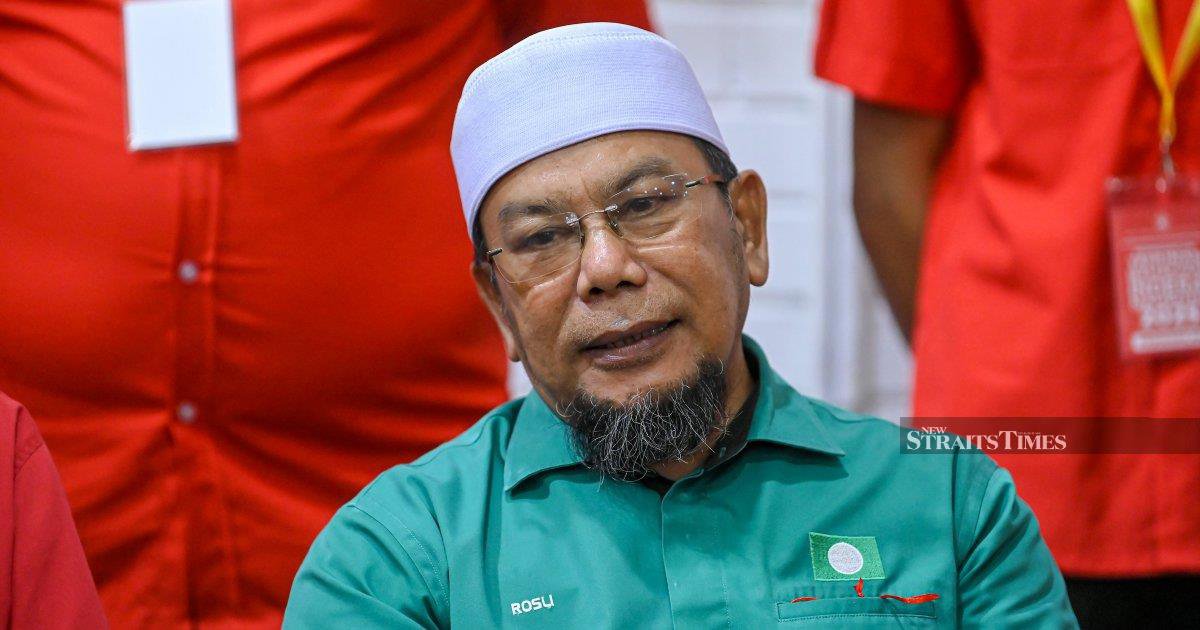
The Islamic PAS party in Pahang has adopted an unusually measured stance on cooperation with UMNO, neither fully committing to the partnership nor ruling out the possibility of direct electoral confrontation. This calculated positioning reflects the broader complexity of Malay-Muslim politics in a state where both parties command significant grassroots support and compete fiercely for dominance within their shared electoral base.
Pahang represents a critical battleground in Malaysia's ongoing political realignment. The state has historically served as UMNO's stronghold, yet PAS has made substantial inroads over the past decade, particularly in rural constituencies where the party's Islamist messaging and grassroots organizing prowess have resonated with voters. The current ambiguity from PAS leadership regarding UMNO cooperation suggests the party is carefully weighing its strategic options, neither eager to appear subordinate to its rival nor willing to unilaterally foreclose negotiations that could yield electoral advantages.
The economics of political cooperation in Pahang are straightforward but delicate. Should PAS and UMNO contest separately, they risk fragmenting the Malay-Muslim vote and potentially benefitting opposition parties such as DAP and PKR in closely contested constituencies. Conversely, any formal alliance comes with implicit demands for seat allocation, power-sharing at state and federal levels, and ideological compromise—concessions that neither party finds entirely palatable. PAS leaders have grown increasingly confident in their organizational capacity and electoral appeal, making them less willing to accept subordinate roles in coalitions than they might have been in previous election cycles.
The timing of PAS's cautious messaging is significant. With no immediate elections scheduled at the state level, the party has the luxury of maintaining strategic ambiguity while building organizational strength and testing voter sentiment. This approach allows PAS to extract maximum leverage in any future negotiations with UMNO while simultaneously demonstrating to its base that it remains an independent force capable of competing on equal terms with the older establishment party. For UMNO, the situation is comparatively uncomfortable; the party must pursue cooperation to prevent vote-splitting while appearing strong and in command of events to its own supporters.
The religious and ideological dimension adds texture to this political maneuvering. PAS frames itself as the authentic guardian of Islamic interests and Malay-Muslim welfare, a positioning that has proven effective in mobilizing voters who feel economically marginalised or culturally threatened. UMNO, meanwhile, emphasizes its track record of development, federal patronage, and experienced governance. These competing narratives make genuine cooperation difficult beyond the transactional level, as each party's base harbours deep skepticism toward the other's sincerity and commitment to Malay-Muslim interests.
Pahang's demographics and economic structure further complicate the political equation. The state encompasses diverse constituencies ranging from urban centres like Kuantan to sprawling rural areas where traditional support networks and religious networks exercise considerable influence. PAS has demonstrated particular strength in mobilizing voters in these rural regions through mosque networks, religious schools, and Islamic social services. UMNO's traditional dominance in these same areas has weakened, though the party retains structural advantages through its long-standing government machinery and development programmes.
For Malaysian observers and investors, the PAS-UMNO situation in Pahang carries broader implications. Political stability and predictability influence business confidence, investment flows, and the state government's ability to pursue coherent development strategies. Prolonged uncertainty about the political alignment in Pahang could complicate infrastructure projects, civil service morale, and inter-agency coordination if rival administrations or factions struggle to work together on shared governance challenges. A clear settlement between the parties would provide greater clarity, though the settlement could theoretically favour either PAS dominance or a renewed UMNO-led coalition depending on negotiating outcomes.
Regional considerations also merit attention. PAS's approach in Pahang reflects the party's broader strategic maturation across Malaysia. The party is no longer simply the junior partner in coalitions; it now competes fiercely for leadership roles and demands substantive power-sharing arrangements. This shift has profound consequences for Malay-Muslim political organization across the peninsula and influences the broader balance between establishment parties and those representing themselves as reformist or authentically Islamic alternatives.
The open-door stance PAS has adopted toward cooperation with UMNO should not be mistaken for weakness or eagerness. Rather, it represents sophisticated political positioning designed to maximize leverage while maintaining flexibility. By keeping dialogue channels open whilst preserving the option of independent electoral competition, PAS leadership signals to both UMNO and its own supporters that the party negotiates from a position of strength. This approach has become characteristic of contemporary PAS strategy and reflects genuine improvements in the party's organizational capacity, funding sources, and electoral credibility over the past several election cycles.
Looking ahead, the resolution of PAS-UMNO dynamics in Pahang will depend on developments at the federal and national level as much as state-specific considerations. Changes to the broader political coalition architecture, leadership transitions, or shifting voter preferences could all prompt recalibration of strategies in the state. For now, Pahang's PAS leadership has chosen the path of strategic patience, keeping cooperation possibilities alive while preserving options. This stance reflects both the party's increased confidence and the inherent unpredictability of Malaysian politics in an era where established power structures face unprecedented challenges and realignment.

