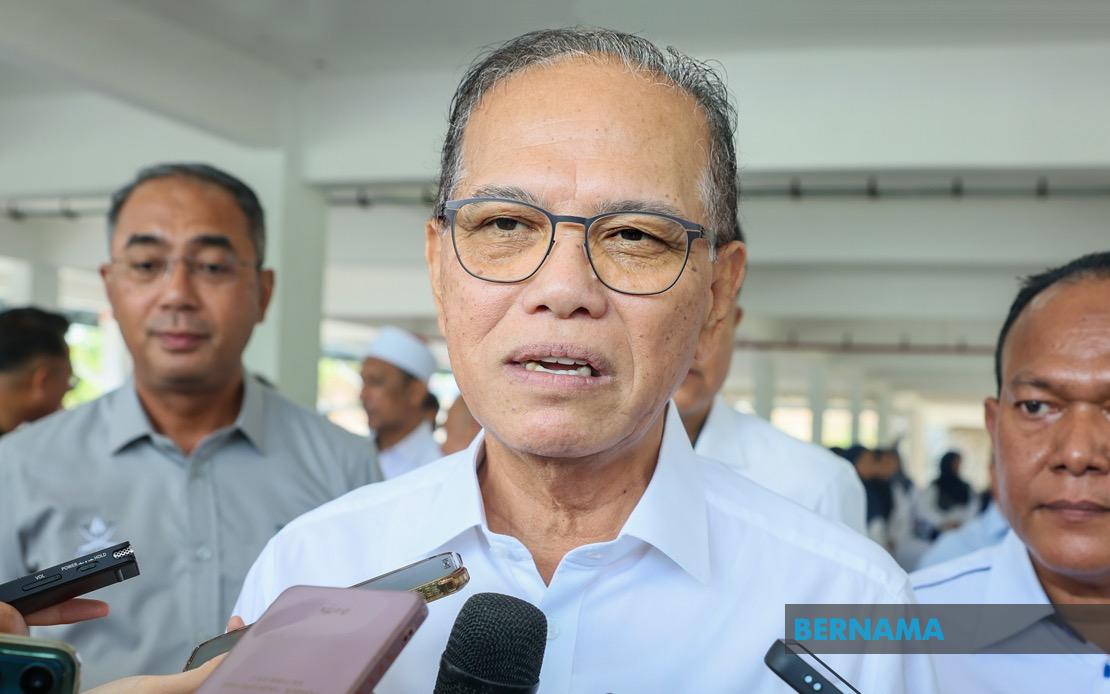
Pahang Menteri Besar Datuk Seri Wan Rosdy Wan Ismail has stepped up efforts to encourage Orang Asli youths in the state to commit to technical and vocational pathways, positioning skills-based qualifications as an essential component of career advancement in an increasingly competitive job market. Speaking at the YP Advanced Skills Malaysian Skills Certificate and Diploma Convocation Ceremony in Kuantan, he emphasised that technical and vocational education training represents not a fallback option but a viable and increasingly valued route to employment and entrepreneurship.
The push comes at a critical juncture for the indigenous community. Pahang is home to approximately 90,000 Orang Asli, a significant demographic that has historically faced barriers to educational attainment and economic participation. The dropout rate within this population remains a persistent challenge that demands coordinated intervention from government and educational institutions. By championing TVET as a legitimate pathway to prosperity, the Menteri Besar is attempting to reframe public perception and encourage greater parental and community investment in post-secondary training programmes.
Wan Rosdy articulated a compelling vision in which graduates from YP Advanced Skills would return to their villages as ambassadors of educational achievement and professional success. This deliberate strategy leverages the influence of successful role models within communities to inspire younger cohorts to persist in their studies rather than abandon formal education. The mechanism is straightforward yet powerful: when youth see peers from their own background thriving after completing vocational qualifications, the perceived feasibility and desirability of similar pathways increases substantially.
The convocation ceremony itself represented a tangible demonstration of the programme's output, with 388 graduates receiving certification across multiple disciplines. This cohort represents individuals who have navigated the demands of skills training and emerged with recognised qualifications, substantially improving their market value compared to their peers without formal credentials. For Orang Asli communities where educational infrastructure and support networks are often inadequate, such programmes fill a critical gap.
The Menteri Besar's remarks reflected a sophisticated understanding of the contemporary labour market. He noted that possessing skills qualifications provides graduates with flexibility unavailable to those relying solely on secondary school credentials. They can pursue wage employment with employers actively seeking certified technicians and skilled workers, or alternatively establish their own enterprises and generate self-employment. Both pathways offer material improvements in income potential and economic security.
YP Advanced Skills earned recognition for producing graduates demonstrating strong character alongside technical competence. This dual emphasis on employability and personal development acknowledges that successful transitions into the workforce require more than technical knowledge. Employers consistently identify soft skills, reliability, and professional comportment as essential, and programmes integrating character formation with skills training address this comprehensive need.
Wan Rosdy's advice to graduates to pursue further education when feasible signals an understanding that credentials function hierarchically within the labour market. A diploma or advanced certificate opens doors that secondary certificates cannot, and the Menteri Besar encouraged graduates not to plateau but to view their current achievement as a foundation for subsequent advancement. This counsel reflects international evidence showing that stackable credentials—where vocational qualifications lead to further post-secondary opportunities—generate superior long-term outcomes.
For Orang Asli communities specifically, the education challenge intersects with geographic, cultural, and socioeconomic dimensions. Many Orang Asli settlements are situated in areas with limited access to quality secondary and tertiary institutions. TVET programmes that operate through flexible delivery modes or that are geographically distributed can more effectively reach this population. Programmes like YP Advanced Skills that demonstrate success in recruiting and graduating Orang Asli learners provide practical evidence that targeted vocational training can be culturally appropriate and economically transformative.
The dropout phenomenon that prompted the Menteri Besar's urgent appeal has profound developmental consequences. Each young person who exits the education system without qualifications faces substantially diminished economic prospects and lifetime earning potential. Conversely, each additional Orang Asli individual who completes a vocational qualification represents not merely individual advancement but a potential catalyst for family and community improvement. This multiplier effect—where educated individuals influence siblings, cousins, and community members to persist in education—creates compounding benefits across generations.
The timing of this initiative reflects evolving economic conditions within Malaysia. Labour shortages in technical trades, from electrical installation to industrial maintenance, have created genuine employment demand for skilled workers. Orang Asli youths completing relevant TVET programmes can access these employment gaps, whereas without such qualifications they risk being locked out of the expanding skilled workforce. This represents a genuine economic opportunity that policy advocacy at the state level can help realise.
Moreover, the focus on TVET aligns with Malaysia's broader technical workforce development strategy. As the country advances manufacturing and seeks competitive advantage through skilled labour, investments in training programmes producing job-ready graduates directly support economic objectives while simultaneously addressing equity within indigenous communities. This convergence of economic necessity and social justice creates momentum for sustained government commitment to expand such programmes.
The challenge ahead involves translating rhetorical commitment into sustained resource allocation and programme expansion. Encouraging Orang Asli youth participation requires not merely exhortation but practical support including financial assistance, improved information dissemination about available programmes, and sustained engagement with community leaders. YP Advanced Skills' demonstrated track record provides a foundation, yet scaling impact across Pahang's dispersed Orang Asli population will require coordination among state agencies, educational providers, and community organisations. The Menteri Besar's public championing of TVET signals the priority status this agenda deserves within Pahang's development policy.

