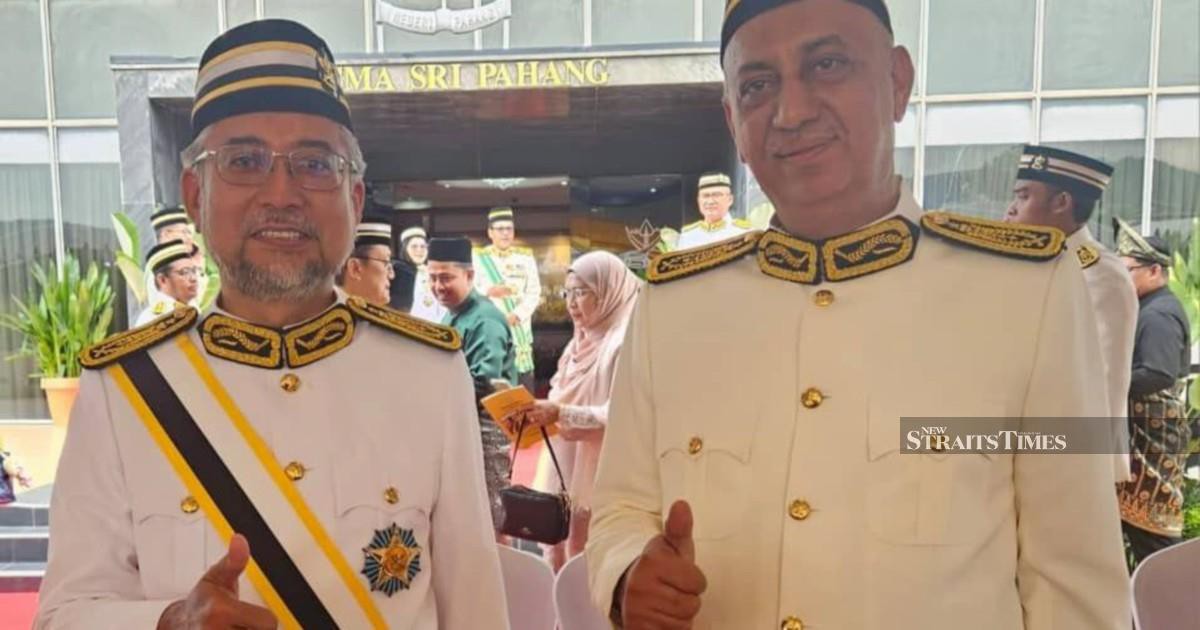
Two Pahang Bersatu state assemblymen have publicly pledged their unwavering support for Menteri Besar Datuk Seri Wan Rosdy Wan Ismail, signalling their intention to stand behind his administration until the 16th Pahang state election. The declarations, made in Kuantan, underscore the political backing the Menteri Besar continues to enjoy from within his own party at the state legislative level, even as Malaysia navigates shifting political dynamics ahead of the anticipated state polls.
The public affirmations from the two legislators represent a consolidation of internal party support within Bersatu's Pahang contingent. In the context of Malaysia's fluid political landscape, where state-level coalitions have undergone considerable realignment in recent years, such explicit commitments carry symbolic weight beyond mere procedural endorsement. The timing of these declarations suggests an effort to project unity and stability within the Pahang state government, an important consideration for any administration seeking to demonstrate governance continuity to voters.
Pahang's political trajectory over the past several years has reflected broader national trends, including the realignment of Bersatu's role within various coalition arrangements. Wan Rosdy's tenure as Menteri Besar has coincided with periods of considerable political flux both at state and federal levels. The steady public backing from key assemblymen helps reinforce his position as a stabilising force within the state administration, irrespective of broader coalition shifts that may occur before the next election cycle.
The state of Pahang occupies a significant position within Malaysia's electoral calculations. As the nation's largest state by land area and home to key constituencies, political developments in Pahang frequently carry implications that ripple through national discourse. Any indication of internal cohesion or fracture within governing coalitions at the state level merits attention from political observers tracking Malaysia's electoral trajectory toward the 16th state election.
Bersatu's presence in Pahang forms part of the broader party landscape that has undergone substantial transformation since the 2018 general election. The party's evolution, including its shifting alliances and internal reorganisations, has directly shaped the composition and direction of state governments across Malaysia. Wan Rosdy's administration has operated within this context of political realignment, requiring careful navigation of coalition dynamics to maintain legislative support.
The assemblymen's pledges carry practical implications for the Menteri Besar's legislative programme and policy priorities through to the state election. Maintaining stable backing from his own party members is essential for shepherding government business through the state assembly, particularly when managing budgetary allocations and legislative initiatives that require majority support. The public nature of these commitments also sends a signal to the broader Pahang electorate regarding the perceived stability of the current administration.
For Malaysian observers tracking political developments, such declarations reflect the ongoing importance of personal political relationships and intra-party solidarity in navigating state-level governance. Unlike federal-level arrangements, which can shift dramatically based on parliamentary mathematics, state administrations often depend more heavily on sustained personal backing from individual assemblymen and localised support networks. The Bersatu assemblymen's statements therefore represent meaningful political currency within Pahang's legislative ecosystem.
The trajectory toward the 16th state election remains fluid across multiple states. Various coalitions are consolidating their positions and positioning for contests that could reshape state governments across the country. Pahang's election, whenever it occurs, will contribute to the overall picture of Malaysian electoral trends and voter sentiment on governance, economic management, and political stability. Early demonstrations of administrative unity help set the tone for how campaigns may develop.
Looking beyond the immediate political theatre, the assemblymen's backing for Wan Rosdy carries implications for policy continuity in Pahang. The state faces ongoing challenges in sectors ranging from environmental management to economic development and infrastructure expansion. A stable administration with clear legislative support can pursue longer-term policy objectives more effectively than one embroiled in internal political uncertainty. This practical dimension of governance competence often influences how voters evaluate incumbent administrations at election time.
The broader significance of these pledges extends to questions about coalition stability across Malaysia's states as the nation approaches its next round of state elections. Pahang has traditionally been a significant state within federal coalition arrangements, and developments affecting the coherence of its state government can influence national political calculations. The public commitment from Bersatu assemblymen to support Wan Rosdy suggests at least one key component of the state's governing coalition remains committed to existing arrangements, though this may yet be tested by broader political developments occurring between now and the election.

