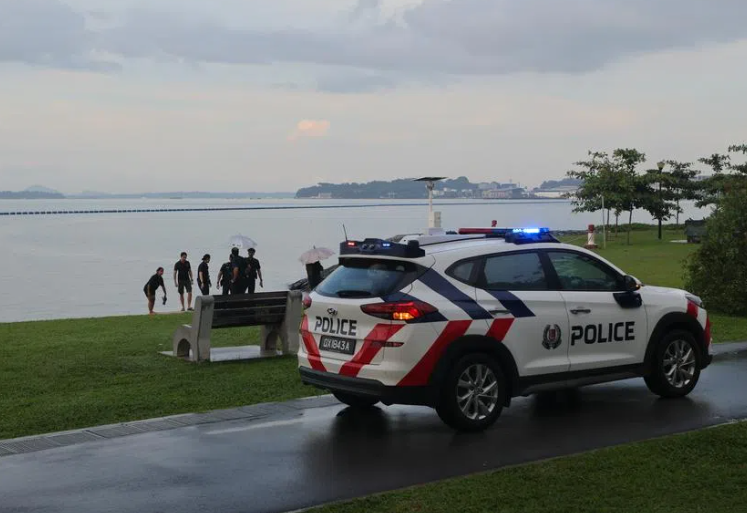
A recreational water sports outing turned fatal on Sunday when lightning struck a group of paddleboarders and kayakers off Pasir Ris Beach in Singapore, claiming the life of a 24-year-old man and leaving six others requiring hospital treatment. The incident occurred around 4.50pm, when authorities received reports of people in distress approximately 100 metres offshore. Despite rapid emergency response from the Singapore Civil Defence Force, the young man could not be revived and was pronounced dead at Sengkang General Hospital.
The group had ventured into waters that appeared deceptively safe, according to eyewitness accounts. Muhammad Fairuz, a 40-year-old delivery rider who was fishing nearby, observed clear skies over the beach just minutes before the strike occurred. The sudden nature of the lightning left little warning for those in the water, illustrating how unpredictable tropical weather conditions can be for water sports enthusiasts. Fairuz reported feeling an electrical current run through his fishing rod from the nearby strike, underscoring the tremendous power of the discharge.
When lightning hit the water, one paddleboarder was knocked unconscious and remained unresponsive on his board. Other members of the party immediately paddled back to shore in their kayaks, calling for help. Fairuz and another bystander did not hesitate to assist, launching their own kayaks to retrieve the stricken man and bring him back to land where emergency personnel had assembled. Their quick action may have prevented additional fatalities, though medical intervention proved insufficient to save the young man's life.
The emergency response was comprehensive and swift. The SCDF dispatched both a Light Fire Attack Vehicle, colloquially known as the Red Rhino, and ambulance units to the scene. Five casualties, including the unconscious paddleboarder, were transported to Sengkang General Hospital, while two children from the group were taken to KK Women's and Children's Hospital. All six survivors regained or maintained consciousness during transport, suggesting varying degrees of injury. The police have confirmed that preliminary investigations reveal no evidence of foul play, with authorities treating the incident as a tragic accident.
This fatality arrives against a sobering backdrop of lightning-related incidents in Singapore. The Meteorological Service Singapore's data indicates the island-state experiences an average of 176 lightning days annually, with a lightning day defined as one on which at least one lightning occurrence is detected at the Changi climate station. This frequency means that Singaporeans face regular exposure to lightning hazards, particularly during warmer months when electrical storm activity peaks. For coastal and water-based recreational communities, this statistical reality should serve as a sobering reminder of environmental dangers.
Recent years have witnessed multiple lightning-related casualties in Singapore's workforce. In May of this year, a fish farm worker succumbed to lightning injuries, and in December 2023, three workers required hospitalization after lightning struck near their industrial worksite. These incidents demonstrate that lightning poses a persistent threat across diverse settings, from construction and aquaculture to recreational activities. The pattern of incidents suggests that public awareness and safety protocols may require strengthening, particularly for outdoor workers and water sports participants.
For Malaysia and the broader Southeast Asian region, this incident carries particular resonance. The tropical maritime climate prevalent across the region creates similar conditions to those in Singapore, with frequent thunderstorms and high lightning occurrence rates. Malaysian beaches, lakes, and coastal waters experience comparable lightning risks, yet public education campaigns specific to water sports safety remain limited. Those who engage in paddleboarding, kayaking, and other recreational water activities should recognize that clear skies can deceive and that weather patterns in equatorial regions can shift with alarming speed.
The regulatory environment surrounding water sports safety in Malaysia differs from that in developed countries with established lightning safety protocols for recreational activities. While Singapore has incident response systems and emergency medical infrastructure that functioned effectively in this case, similar capacity varies significantly across Malaysian states. Local authorities and recreational facility operators should consider whether adequate safety measures, warning systems, and emergency protocols are in place at popular paddleboarding and kayaking destinations.
Expert guidance on lightning safety during water activities remains underemphasized in public health messaging across the region. The general rule that individuals should exit water and seek shelter at the first sign of thunder is not universally known or practiced. Many recreational participants believe they can continue activities in waters they perceive as calm, unaware that lightning can strike from storm systems that appear distant. Educational initiatives targeting water sports clubs, resort operators, and casual beach visitors could potentially prevent future tragedies.
The psychological and social dimensions of this incident also warrant consideration. The bystanders who attempted rescue operations demonstrated admirable courage and compassion, yet such good intentions cannot substitute for proper weather monitoring and safety protocols. Communities that encourage outdoor recreation must balance promotion of these activities with robust safety infrastructure, including real-time weather monitoring systems, warning mechanisms, and clearly communicated safety guidelines.
Investigations into this incident will likely examine whether standard operating procedures were followed and whether any gaps in safety protocols contributed to the tragedy. The authorities' preliminary conclusion that foul play was not involved suggests a straightforward case of natural disaster, yet this does not diminish the value of detailed investigation that could inform future prevention efforts. As recreational water sports continue to grow in popularity across Southeast Asia, the lessons from such incidents become increasingly important for ensuring participant safety.
For Malaysian authorities, coastal operators, and water sports enthusiasts, the Pasir Ris Beach tragedy serves as a crucial reminder of nature's power and the importance of respecting weather-related hazards. Implementing comprehensive lightning safety programs, establishing clear protocols for weather monitoring, and fostering cultural shifts toward prioritizing safety over recreational convenience could prove instrumental in preventing similar occurrences. The loss of a young life underscores the need for enhanced awareness and preventive measures across the region's growing water sports industry.

