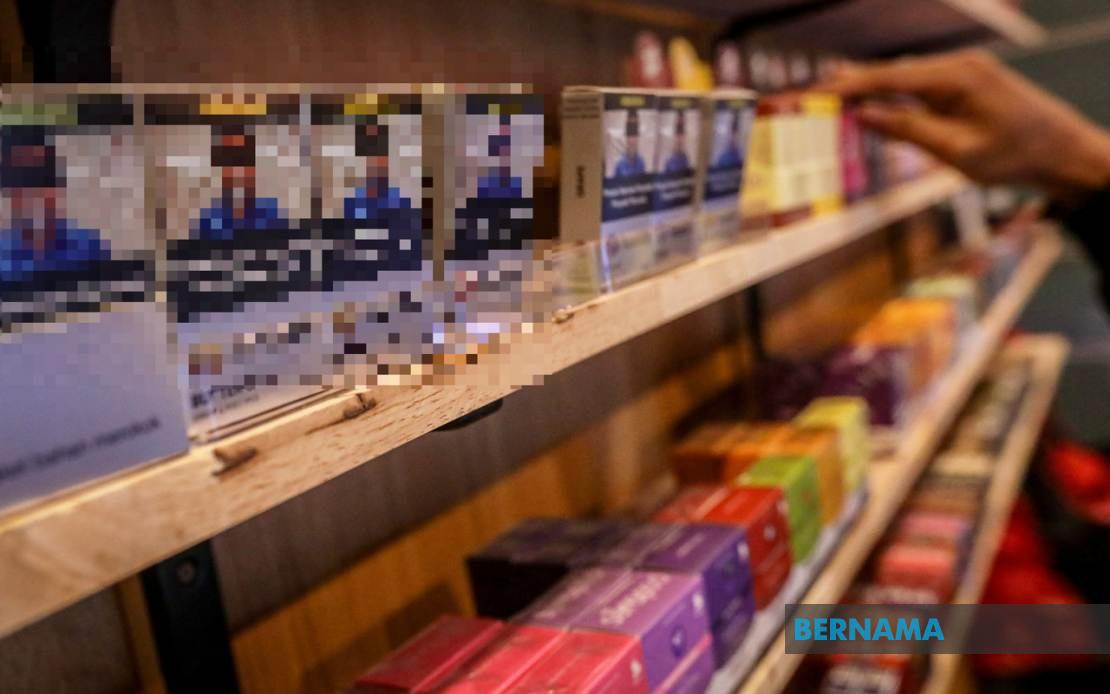
Drug enforcement agencies in Malaysia have dismantled a significant trafficking operation involving counterfeit vaping products laced with dangerous substances, uncovering a distribution network that has expanded dramatically over the past two years. Between 2023 and May this year, authorities confiscated 718.43 kilogrammes of electronic cigarette products containing prohibited materials, resulting in 585 arrests linked to 400 separate cases, according to figures released by the Home Ministry in a parliamentary reply.
The scale of the problem has escalated sharply in recent months, with seizures climbing from 62.68kg in 2024 to 115.22kg in 2025, before jumping to 69.03kg in the first five months of this year alone. The acceleration in enforcement activity mirrors the growing sophistication of smuggling operations, which are exploiting Malaysia's digital infrastructure to reach consumers. The variety of prohibited substances detected in these products—including synthetic drugs, tetrahydrocannabinol (THC), and various psychoactive compounds derived from mushroom extracts—indicates that criminal syndicates have developed multiple supply chains to distribute different product variants across the country.
What distinguishes this phenomenon from traditional narcotics trafficking is the deliberate targeting of youth demographics through online channels and social media platforms. Vape retailers operating through courier services and underground kiosks have transformed what appears on the surface to be a legitimate consumer product into a trojan horse for drug distribution. The appeal to younger users lies partly in the perception that vaping is less harmful than smoking, and partly in the accessibility afforded by digital commerce, which allows transactions to occur without the face-to-face scrutiny that physical drug markets would attract. Enforcement agencies have recognised this vulnerability, with the Royal Malaysia Police and partner bodies initiating coordinated operations to dismantle distribution networks at their source.
Operasi Khas Vape 1.0, launched in April, demonstrated the scale of the underground vaping ecosystem operating within Malaysia's borders. During a single inspection sweep of 1,670 premises, authorities identified 728 locations in breach of regulatory requirements. The operation recovered 8,091 vape devices, 5,257 cartridges, and 205.764kg of vape substances and liquids valued at approximately RM4.59 million. Crucially, 19.67kg of the seized material tested positive for narcotic content, with a street value exceeding RM2.9 million. These figures suggest that the financial incentives driving the trade are substantial enough to attract serious criminal investment, transforming what might otherwise be a public health issue into a significant law enforcement priority.
The statistical trend reveals a troubling pattern that warrants closer examination. While 2023 recorded 66 arrests across 32 cases involving 471.50kg of contraband, the year 2024 showed a dramatic shift in enforcement focus rather than a reduction in supply. Arrests increased to 114 despite a lower seizure volume of 62.68kg, indicating that police operations became more targeted and efficient. However, 2025 has witnessed an explosion in enforcement activity, with 138 arrests recorded by year's end against seizures of 115.22kg. The first five months of this year alone have produced 267 arrests, suggesting that as authorities improve intelligence gathering and cyber surveillance capabilities, they are intercepting shipments and apprehending traffickers at a faster rate than previously possible.
The distribution channels exploited by these criminal networks reflect the realities of modern commerce in Southeast Asia. Entertainment venues, dedicated vape kiosks, and private laboratories manufacturing synthetic compounds all feature in the enforcement landscape. The involvement of courier services in delivering products directly to consumers represents a significant challenge for border and internal security agencies, as legitimate shipping infrastructure becomes weaponised for illicit purposes. Malaysian authorities are contending with the same logistical advantages that make e-commerce so efficient for lawful merchants—speed, anonymity, and geographic reach—now applied to substances that pose genuine health and safety risks to young Malaysians.
The Home Ministry's response strategy encompasses multiple dimensions beyond simple enforcement. Intelligence gathering has been enhanced through cyber surveillance targeting social media sales platforms and online marketplaces where vape products are advertised. Forensic and laboratory analytical capabilities have been upgraded to identify the chemical composition of seized materials, enabling prosecutors to establish the presence of prohibited substances beyond reasonable doubt. These technical improvements represent a recognition that modern drug trafficking operates at the intersection of chemistry, digital commerce, and logistics, requiring sophisticated countermeasures.
Public health messaging has emerged as a complementary pillar of the government's approach. Advocacy programmes targeting schools and youth organisations seek to educate young people about the risks associated with flavoured vape products that may contain undisclosed narcotic content. The messaging challenge is complicated by the fact that many students may be unaware that the products they are consuming or encountering contain anything beyond nicotine and flavourings. Building awareness that vaping products can serve as delivery mechanisms for serious drugs represents a departure from traditional drug prevention campaigns focused on cannabis or heroin, requiring new educational frameworks.
The implications for Malaysian society extend beyond the immediate threat of drug abuse among young people. The success of vape-based drug trafficking demonstrates the vulnerability of regulatory frameworks designed for earlier eras of smuggling and distribution. The rapid adaptation by criminal enterprises to exploit new technologies and commercial channels suggests that enforcement agencies must maintain constant vigilance and innovation. International cooperation will be essential, as these products often originate beyond Malaysia's borders, passing through regional supply routes before reaching end consumers.
For Malaysian parents and educators, the emergence of drug-laced vaping products represents a threat that lacks the obvious markers of traditional drug use. A teenager using what appears to be a common consumer product in a shopping mall or at a social gathering may be inhaling substances that carry significant health and legal risks. The Home Ministry's determination to escalate enforcement pressure on suppliers and manufacturers reflects recognition that this threat demands sustained, coordinated action across multiple agencies and communities to protect young Malaysians from harm.

