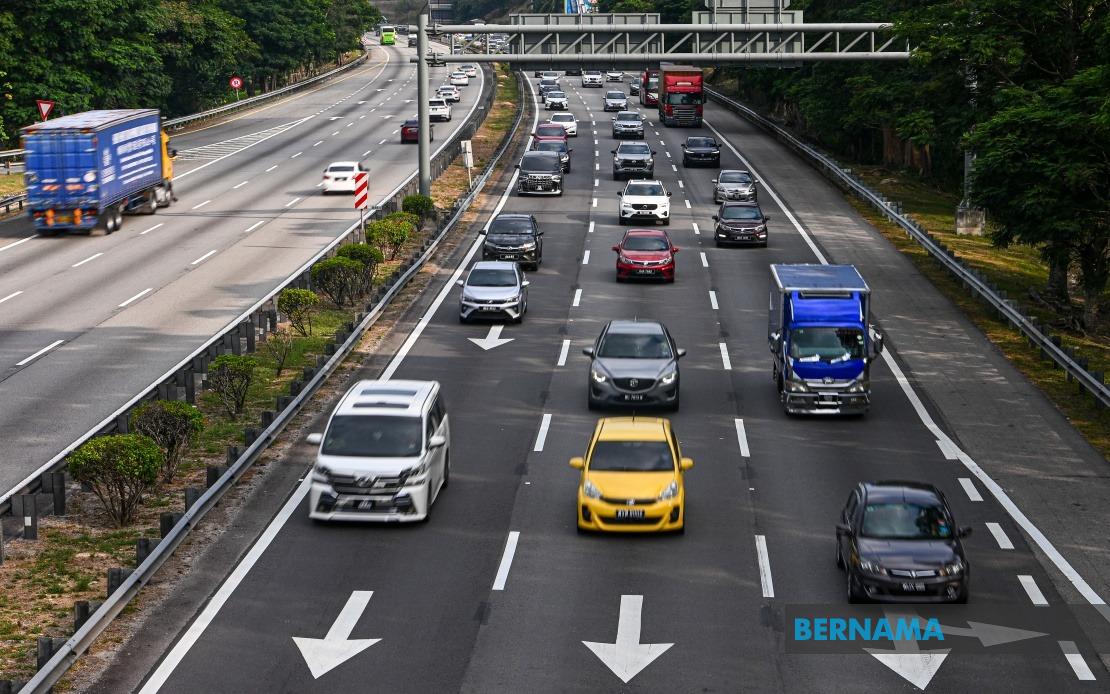
The Malaysian Highway Authority (LLM) is bracing for a significant surge in traffic as more than 300,000 voters prepare to return to their constituencies for Saturday's 16th Johor state election. The anticipated movement of the electorate has prompted highway officials to issue comprehensive guidance and implement special measures to manage congestion across the state's critical transport corridors. The polling day has been fixed for July 11, giving voters just days to arrange their travel to casting centres.
LLM chairman Datuk Seri Hasni Mohammad emphasised the importance of advance planning in his public advisory, noting that the influx of homebound voters will place considerable strain on Johor's main access routes. The authority recognises that elections typically trigger cross-state travel as citizens fulfil their voting obligations, and this particular contest—coming amid heightened political interest in the southern state—is expected to draw particularly heavy traffic. Residents intending to travel to or through Johor have been urged to stagger their journeys and avoid peak periods to ease pressure on the highway network.
In recognition of the anticipated congestion, LLM has committed to postponing all planned maintenance and lane closure works on polling day itself. This decision reflects a pragmatic approach to election management, prioritising the safe and unimpeded movement of voters over routine infrastructure maintenance. Only emergency repair works will proceed as scheduled, underscoring the authority's commitment to maintaining operational highways. By clearing the schedule of non-urgent closures, LLM aims to maximise road capacity during what will be a critical day for voter mobility.
The Malaysian Highway Authority has specifically flagged concerns about the northbound North-South Expressway between Simpang Renggam and Senai, where third-lane construction work is ongoing. Motorists using this section have been advised to exercise particular caution and adhere strictly to posted speed limits. The stretch represents a potential bottleneck that could exacerbate travel times during peak election-related traffic flows. Drivers should anticipate slower movement through this zone and adjust their departure times accordingly to compensate for likely delays.
To facilitate informed journey planning, LLM has encouraged travellers to utilise the TuJu app, a mobile application designed to help motorists navigate route options and avoid congested areas in real time. This digital tool provides live updates on traffic conditions and alternative routes, enabling drivers to make decisions that minimise travel time. Beyond app-based solutions, the authority has also reminded users of traditional support channels, including the TLM Traffic Management Centre helpline at 1-800-88-7752, which remains staffed to provide immediate assistance and traffic information.
Financial preparedness has become another component of the authority's voter-mobility advisory. Motorists are being urged to ensure sufficient balances in their Touch 'n Go accounts, e-wallets, and debit cards to cover toll charges without delay. Running out of funds at toll plazas during heavy traffic periods can create bottlenecks and frustration, particularly when multiple vehicles queue simultaneously. By encouraging advance payment preparation, LLM hopes to maintain smooth toll collection and free-flowing traffic through plaza operations.
Vehicle maintenance emerges as a secondary but important consideration in LLM's recommendations. The authority has advised that cars be thoroughly inspected for roadworthiness before embarking on potentially lengthy journeys during congested periods. Breakdowns on busy highways during election travel can create serious safety risks and cascading delays affecting other road users. Pre-journey checks covering tyres, brakes, fluid levels, and battery condition could prevent mechanical failures that might strand voters and disrupt traffic flow.
The smart lane activation system on several Johor highways will continue to operate on polling day. This technology allows authorities to adjust lane configurations dynamically, converting lanes based on traffic flow patterns to optimise capacity in response to real-time conditions. LLM has urged highway users to familiarise themselves with smart lane operations and comply with electronic signage instructions. Drivers unfamiliar with variable lane systems should pay close attention to overhead gantries and adjust their positioning accordingly to avoid entering lanes designated for opposing traffic directions.
Rest and service area usage has been identified as a contributor to smoother traffic flow during extended peak periods. LLM has encouraged drivers to utilise designated R&R facilities and lay-bys for rest breaks rather than attempting extended journeys without pause. Fatigue-related driving incidents not only imperil individual motorists but can trigger chain-reaction accidents that paralyse highways. By promoting appropriate use of rest facilities, the authority aims to reduce accidents and maintain consistent traffic movement throughout polling day.
Real-time traffic monitoring capabilities have been enhanced to support voter mobility. LLM operates CCTV camera networks along major highways and publishes live feeds on its official website, enabling remote monitoring of conditions. The authority has also established social media channels on Facebook and TikTok under the handle @llmtrafik, through which traffic updates, incident reports, and congestion warnings are regularly posted. These multi-platform communication approaches ensure that voters have access to current information regardless of their preferred information sources.
The concentration of traffic during a state election highlights the intersection between electoral participation and infrastructure management in Malaysia's federal system. Johor's significance as an economic and demographic centre means that substantial populations work or study beyond state boundaries, requiring return journeys to exercise voting rights. Elections that span a single day with geographically dispersed polling centres inherently create traffic challenges that state and federal authorities must jointly address. The LLM's proactive measures reflect recognition of this systemic pattern and demonstrate institutional planning for predictable election-related mobility demands.
Beyond immediate traffic management, the scale of expected movement—over 300,000 voters—underscores Johor's political importance and demographic weight within Malaysia's electoral landscape. The state's diverse geography, combining urban centres with sprawling suburban and rural areas, means voters must traverse considerable distances to return home. Highways connecting the Klang Valley and other neighbouring regions to Johor will experience sustained congestion as the electorate mobilises for what many view as a referendum on state governance and future direction.

