The 16th Negeri Sembilan state election will see unprecedented participation from the security sector, with over 22,000 Royal Malaysia Police and Malaysian Armed Forces personnel and their spouses casting ballots during an early voting session scheduled for July 28. This substantial mobilisation underscores the logistical complexity of managing electoral processes involving uniformed services, who are often required to work during standard polling days and face deployment constraints that necessitate alternative voting arrangements.
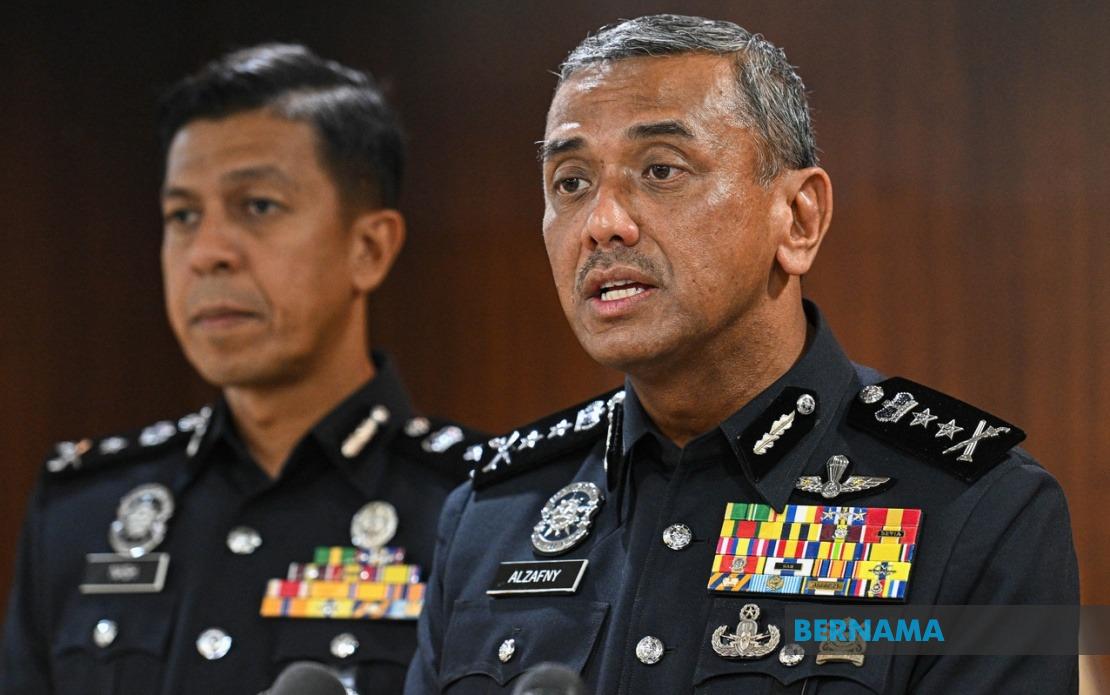
Negeri Sembilan police chief Datuk Alzafny Ahmad provided a detailed breakdown of the participating personnel during a press briefing in Seremban, revealing that 5,455 PDRM officers and personnel form the police contingent, while the Malaysian Armed Forces contribute 16,884 personnel along with their eligible spouses. The disparity in numbers reflects the larger military presence in the state compared to police deployments, a pattern common across Malaysia's peninsular states where defence installations and training facilities often concentrate significant armed forces personnel.
The election administration's planning extends well beyond early voting arrangements, with security personnel deployments strategically distributed across critical electoral phases. During the early voting session itself, 1,796 officers and personnel will be stationed across all designated zones to maintain order and facilitate smooth operations. This deployment level suggests the authorities anticipate substantial participation and wish to avoid congestion or administrative delays that could compromise the integrity of the process.
The security apparatus expands considerably during subsequent phases of the electoral cycle. Nomination day this Saturday will require 2,393 personnel on duty, reflecting heightened scrutiny of candidate registrations and potential flashpoints when party allegiances crystallise and competitive tensions surface. Throughout the campaign period leading to August 1, a sustained presence of 1,685 personnel will maintain vigilance, with this figure representing the minimum necessary deterrent against violations and a manageable number for long-term deployment rotations.
Polling day itself demands the most substantial commitment, with 4,788 personnel scheduled for duty across all voting stations in Negeri Sembilan. This concentration of security resources on August 1 reflects conventional wisdom that election day poses the highest risk for irregularities, intimidation, or disturbances as the democratic process reaches its culmination. The scale of deployment suggests the authorities regard the 16th Negeri Sembilan election as requiring heightened vigilance, whether due to recent electoral history, demographic sensitivities, or anticipated competitive intensity.
Beyond numerical deployment, Datuk Alzafny's public statements underscore the police force's commitment to enforcing strict standards of electoral conduct among political parties and their supporters. His explicit reminders to all candidates that supporters must remain disciplined throughout the campaign period sets clear expectations about accountability, extending culpability beyond individual actors to organisational structures responsible for supporter conduct. This approach reflects lessons learned from previous elections where organised supporter movements occasionally transgressed behavioural boundaries.
The police chief placed particular emphasis on preventing unauthorised processions, false information dissemination, defamatory statements, and hate speech—categories that have become increasingly relevant in Malaysia's digitalised political environment. The explicit inclusion of social media content monitoring signals that PDRM recognises the diffuse and rapid nature of contemporary political communication, where traditional campaign materials represent only a fraction of persuasive content competing for voter attention. This acknowledgement reflects the Malaysian security establishment's evolving comprehension of 21st-century electoral threats.
A notably sensitive dimension of the police enforcement framework involves the three-R protocol: religion, race, and the Royal Institution. Datuk Alzafny's statement that PDRM is placing special emphasis on these issues reveals the officer's understanding that Negeri Sembilan elections, like all Malaysian state contests, occur within a constitutional and political culture where these domains carry constitutional protection and social sensitivity. Prohibition of political speeches, campaign materials, media statements, and social media content touching these areas represents the practical implementation of constitutional safeguards that transcend ordinary electoral competition.
The police chief's appeal for mature acceptance of election results once officially announced represents aspirational standard-setting rather than operational directive, addressing the psychological and civil dimensions of electoral legitimacy. By reminding all stakeholders that proper legal channels exist for contesting results, Datuk Alzafny attempted to redirect potential grievances away from extra-legal action that might undermine public security or social cohesion. This preemptive messaging, while seemingly obvious, reflects international best practices for election management in societies where electoral disputes have occasionally generated civil tension.
For Malaysian voters and regional observers, the scale of security deployment in Negeri Sembilan's state election reflects broader institutional commitment to managing elections under increasingly complex conditions. The integration of early voting arrangements for security personnel, though administratively demanding, demonstrates electoral commission flexibility in accommodating legitimate operational constraints. However, the extensive police presence and detailed behavioural guidance also illustrate how Malaysian elections operate within extensive regulatory frameworks designed to preserve order and protect constitutional sensitivities—frameworks that sometimes appear intrusive to outside observers familiar with more minimalist security approaches.
The Election Commission's carefully sequenced timeline—nomination on Saturday, early voting on July 28, and polling on August 1—provides compressed intervals that may advantage well-organised parties over smaller contenders requiring time for grassroots mobilisation. From a Southeast Asian perspective, Negeri Sembilan's electoral cycle offers insights into how Malaysian states balance democratic openness with institutional control mechanisms, a tension that resonates across the region as other democracies navigate similar challenges of maintaining electoral integrity amid rapid social and technological change.
Looking ahead, the conduct of the 16th Negeri Sembilan state election will provide data points for electoral administrators across Malaysia regarding effective security deployment patterns, the efficacy of social media monitoring protocols, and the practical sustainability of extended enforcement campaigns addressing the three-R sensitivities. The participation of over 22,000 uniformed personnel will simultaneously represent a success in logistical coordination and a tangible reminder of the resourceintensive nature of contemporary democratic governance in Malaysia's institutional context.

