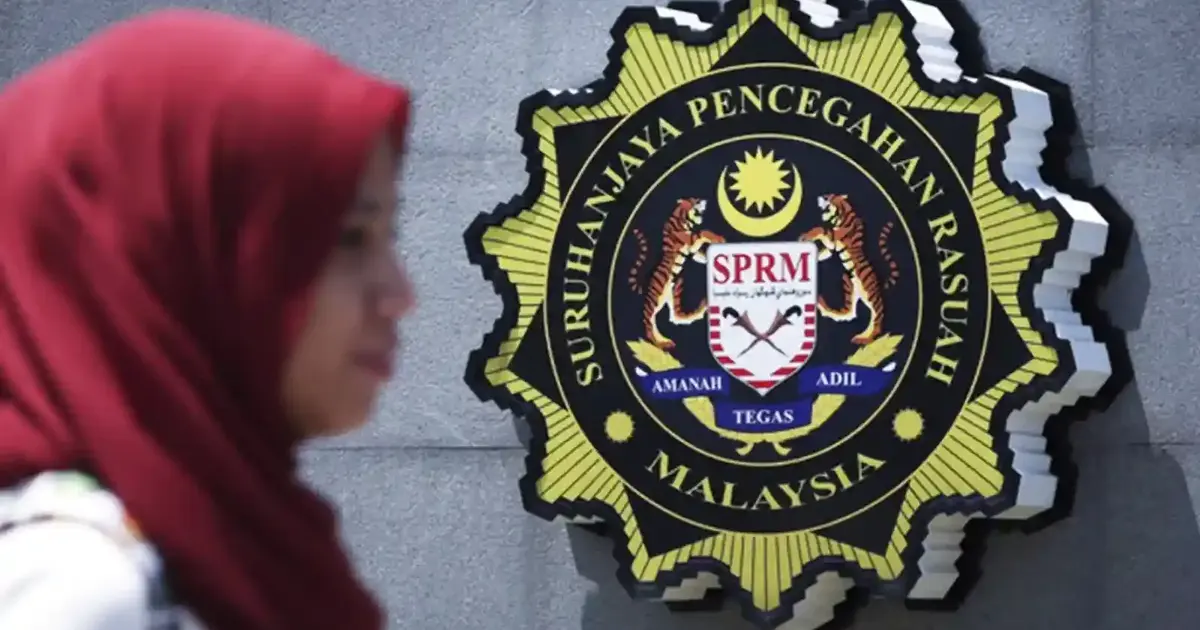
The Malaysian Anti-Corruption Commission (MACC) has signalled an expanding enforcement operation targeting fraud within the Social Security Organisation, with prosecutors preparing cases against over 100 individuals suspected of submitting false claims to the government agency. The operation represents one of the more significant crackdowns on social security fraud in recent years and underscores growing concern about the integrity of the national welfare system.
As of the latest update, 29 suspects have already faced charges in courts across multiple states, marking the initial phase of what appears to be a systematic investigation spanning several jurisdictions. The staggered charging process suggests MACC has undertaken meticulous case preparation, ensuring that prosecutions proceed with sufficient documentary and testimonial evidence to secure convictions. The distribution of charges across different states indicates the alleged fraud network operates on a geographical scale, potentially involving conspirators in various parts of Malaysia.
Perkeso, formally known as the Socio-Economic Development Board, administers crucial social welfare programmes including unemployment insurance, invalidity benefits, and occupational safety coverage for Malaysia's workforce. The agency processes millions of claims annually from both employers and individuals seeking legitimate assistance. Fraudulent claims undermine the financial sustainability of these programmes and divert resources from genuine beneficiaries who depend on timely assistance during periods of economic hardship or disability.
The scope of the investigation—targeting more than 100 suspects—suggests that MACC has detected patterns of systematic abuse rather than isolated instances of individual malfeasance. Fraud schemes of this magnitude often involve organised networks where insiders at Perkeso offices collaborate with external actors to approve false claims in exchange for bribes or kickbacks. Some schemes may involve fabricated employment records, exaggerated benefit claims, or collusive arrangements between employees and applicants.
For Malaysian readers and businesses, this enforcement action carries important implications. Small and medium enterprises that operate legitimately and submit accurate Perkeso contributions and claims may face heightened administrative scrutiny as the commission and Perkeso tighten verification procedures. Employers should ensure their documentation and claim submissions are meticulously maintained and truthful, as regulatory agencies may implement stricter audit protocols in the coming months.
The investigation also reflects broader governance challenges within Malaysian institutions. Perkeso, like many government agencies handling substantial public funds, requires robust internal controls and whistleblower protections to detect and prevent fraud. The scale of alleged fraud detected suggests these safeguards may have been inadequate, prompting questions about how such schemes operated undetected for extended periods. Recommendations emerging from this case will likely inform reforms across other social security systems in Southeast Asia, where similar vulnerabilities may exist.
From a labour market perspective, fraud within Perkeso diminishes confidence in the agency's ability to serve workers equitably. Employees who have contributed through deductions from their salaries expect their benefits to be administered fairly and efficiently. When large-scale fraud occurs, the trust between workers and the institution designed to protect them deteriorates, potentially encouraging greater informality in the economy as workers lose confidence in state-provided protections.
The MACC's multi-state operation demonstrates institutional commitment to pursuing financial crimes systematically rather than selectively. However, the timeline for completing investigations and prosecutions of over 100 suspects may extend considerably. Malaysian courts handle heavy caseloads, and complex fraud cases involving multiple defendants and extensive documentary evidence often require years to resolve through trial and appeal. Observers will monitor whether the commission maintains momentum and whether the court system allocates adequate judicial resources to process these cases efficiently.
International observers tracking corruption trends in Malaysia may view this enforcement action positively, indicating that investigative agencies retain capacity to pursue complex financial crimes. However, critics may note that detection occurred only after substantial fraud had accumulated, raising questions about whether Malaysia's institutional safeguards are sufficiently proactive. Comparable jurisdictions in Southeast Asia and globally face similar challenges, suggesting that social security fraud remains a persistent governance problem requiring both punitive enforcement and preventive system design.
The investigation outcome will establish important precedents for how Malaysian courts and prosecutors handle large-scale fraud cases. If convictions are secured and sentences deter similar offences, the message to potential fraudsters becomes clear. Conversely, if technical defences succeed or sentences prove light, the deterrent effect diminishes. The MACC's selection of cases to prosecute first may influence the trajectory of the broader investigation, as early convictions build momentum and demonstrate prosecution viability to investigators handling remaining cases.
Moving forward, stakeholders including Perkeso management, labour unions, and government oversight bodies will likely examine whether the investigation reveals systemic vulnerabilities requiring legislative or administrative reform. Enhanced verification technologies, segregation of duties among Perkeso employees, and strengthened whistleblower mechanisms may emerge from post-investigation recommendations. These reforms would address not merely the individuals charged but the structural conditions that enabled their alleged misconduct.

