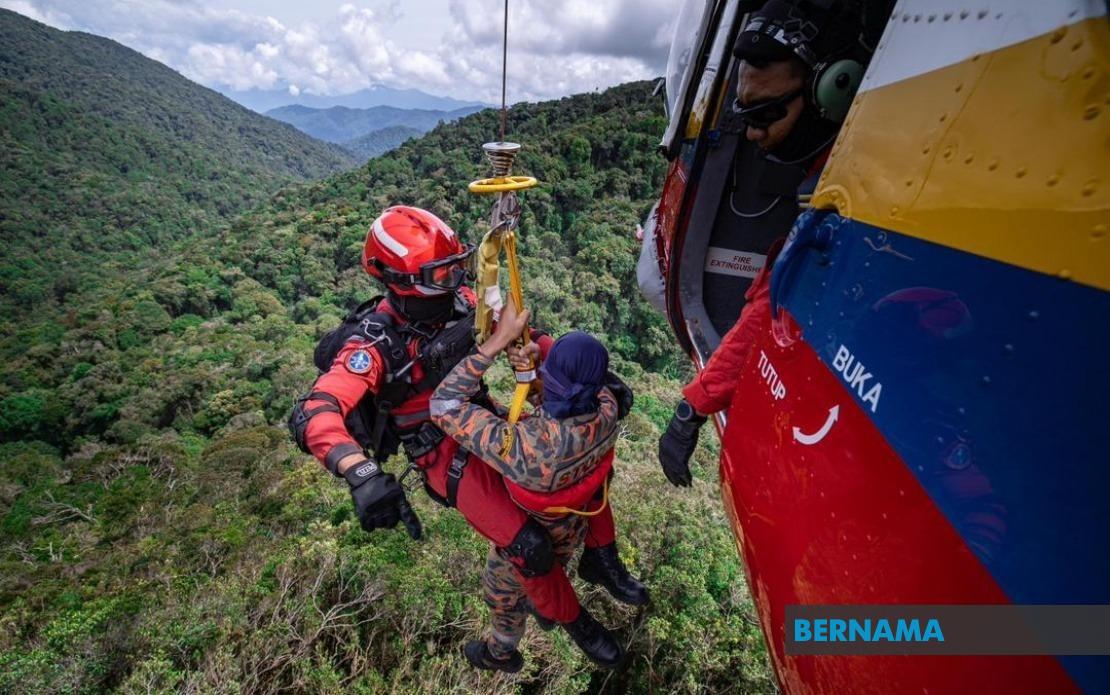
Malaysia's recreational hiking landscape has become increasingly perilous, with official statistics revealing 1,059 accidents and 63 fatalities recorded across the country between 2021 and 2025, according to data presented in Parliament by Deputy Minister of Natural Resources and Environmental Sustainability Syed Ibrahim Syed Noh. The figures, compiled by the Fire and Rescue Department of Malaysia (JBPM), underscore the human cost of Malaysia's booming outdoor recreation sector, which has exploded in popularity as more Malaysians seek escape into the nation's diverse forest ecosystems and mountain terrain.
The rising accident toll has catalysed a comprehensive government response aimed at transforming how hiking activities are managed and monitored across the country's protected forest reserves. In response to parliamentary questioning from Datuk Mohd Isam Mohd Isa regarding safety standards and accident prevention, the ministry outlined a multi-pronged strategy that addresses everything from trail infrastructure to emergency response protocols. This shift reflects growing recognition that Malaysia's hiking infrastructure has struggled to keep pace with demand, leaving many popular routes inadequately regulated and monitored.
At the cornerstone of the government's approach lies the Mountain Risk Assessment and Management Guideline (MoGRAM), a technical framework developed jointly by the Peninsular Malaysia Forestry Department (JPSM) and the United Nations Development Programme (UNDP). This guideline serves as a standardised methodology for evaluating hazards on hiking trails and managing visitor capacity, establishing baseline safety benchmarks for recreational activities conducted within Malaysia's Permanent Reserved Forests (HSK). By applying consistent risk assessment protocols nationwide, authorities hope to identify problem areas before accidents occur and implement preventative measures systematically across the country's estimated hundreds of registered and informal hiking routes.
A cornerstone initiative involves the mandatory deployment of certified Forestry Mountain Guides (MGP) across 189 designated high-risk hiking areas. These professionally trained guides, recruited primarily from local and indigenous communities, serve as frontline safety personnel who supervise hikers, coordinate emergency evacuations, and enforce proper trail-use practices. To date, the JPSM has certified 2,322 individuals through its MGP skills development programme, representing a significant investment in community-based safety infrastructure. For Malaysian readers familiar with climbing peaks like Gunung Kinabalu or navigating the challenging trails in Taman Negara, the presence of qualified guides offers tangible reassurance, though availability remains concentrated in higher-risk zones rather than distributed uniformly across all popular destinations.
Beyond personnel, the government is embracing geospatial technology to create a comprehensive monitoring and management ecosystem. Working alongside the Malaysian Space Agency (MySA), the JPSM is developing an advanced hiking trail management system that leverages geographic information systems (GIS) and remote sensing capabilities. This sophisticated platform will enable real-time mapping of trails, centralised repositories of trail information accessible to all stakeholders, and substantially improved search and rescue (SAR) coordination through detailed spatial analysis. For hikers and their families, such technological advancement promises faster emergency response times and more precise rescue operations, addressing one of the critical bottlenecks that has contributed to fatalities in remote terrain.
Currently, hiking activity registration within HSKs operates through decentralised mechanisms—either manual record-keeping or state-specific online platforms managed by individual state forestry departments. This fragmentation reflects Malaysia's federal structure, wherein state governments retain primary responsibility for issuing forest access permits and managing land within their boundaries. However, the ministry has identified significant limitations in this approach, particularly regarding systematic monitoring, emergency coordination, and inter-state information sharing. Syed Ibrahim indicated that the government is actively exploring the establishment of a unified national digital hiking registration log system that would standardise procedures and enable comprehensive tracking of hikers' movements and locations.
Such a centralised digital registration framework would represent a marked departure from the current patchwork of state-level systems and offers several compelling advantages for public safety. A seamless national platform would accelerate tracing procedures during emergencies by instantly pinpointing last-known locations and hiker information, facilitate more coordinated SAR deployment across state boundaries, and generate invaluable aggregate data on hiking patterns, accident hotspots, and high-risk seasonal periods. From a practical standpoint, Malaysian hikers navigating across multiple states would benefit from a unified system rather than navigating different registration requirements for each forestry department.
The ministry's emphasis on comprehensive training for mountain guides and nature guides extends beyond basic safety instruction into sophisticated risk mitigation and emergency response. Regular certification and upskilling programmes cover hiking safety protocols, advanced risk management, first aid administration, wilderness survival techniques, and specialised search and rescue methods. This investment acknowledges that frontline personnel constitute the critical human element in preventing accidents and minimising casualty rates when mishaps occur. For popular trails drawing thousands of annual visitors, the availability of adequately trained personnel represents the difference between manageable incidents and tragic outcomes.
The 87 injuries documented alongside the 63 fatalities between 2021 and 2025 indicate that the accident landscape extends beyond fatal outcomes, encompassing numerous non-fatal incidents that reflect wider safety concerns. These accidents span various causal factors including inadequate trail maintenance, insufficient signage, unprepared hikers attempting routes beyond their capability, sudden weather changes, and medical emergencies in remote locations. The government's multi-layered approach attempts to address these diverse root causes simultaneously rather than pursuing single-solution interventions.
For Malaysian outdoor enthusiasts and families planning hiking expeditions, these initiatives signal a gradual professionalisation of what has traditionally been an informal recreational sector. The implementation of MoGRAM standards, the mandatory guide requirement in high-risk areas, and the development of sophisticated trail management systems represent tangible improvements in operational safety. However, significant implementation challenges remain, including ensuring consistent enforcement across all 189 designated high-risk areas, securing adequate funding for guide employment and training, and achieving seamless integration between state governments and federal initiatives. The success of these measures will ultimately depend on sustained political commitment, adequate resource allocation, and genuine cooperation between federal and state authorities managing Malaysia's diverse forest ecosystems.
Looking forward, the proposed national digital registration system represents the most transformative element of the government's safety agenda, with potential implications extending beyond hiking into broader outdoor recreation management. If successfully implemented, it could serve as a template for managing other high-risk recreational activities across Malaysia's natural heritage areas. The initiative also reflects increasing international best practices in adventure tourism safety, positioning Malaysia competitively alongside other hiking destinations in Southeast Asia that have invested heavily in systematic safety infrastructure. For the hiking community, these developments suggest a transition toward more regulated, professionally managed recreational experiences across Malaysia's most cherished natural spaces.