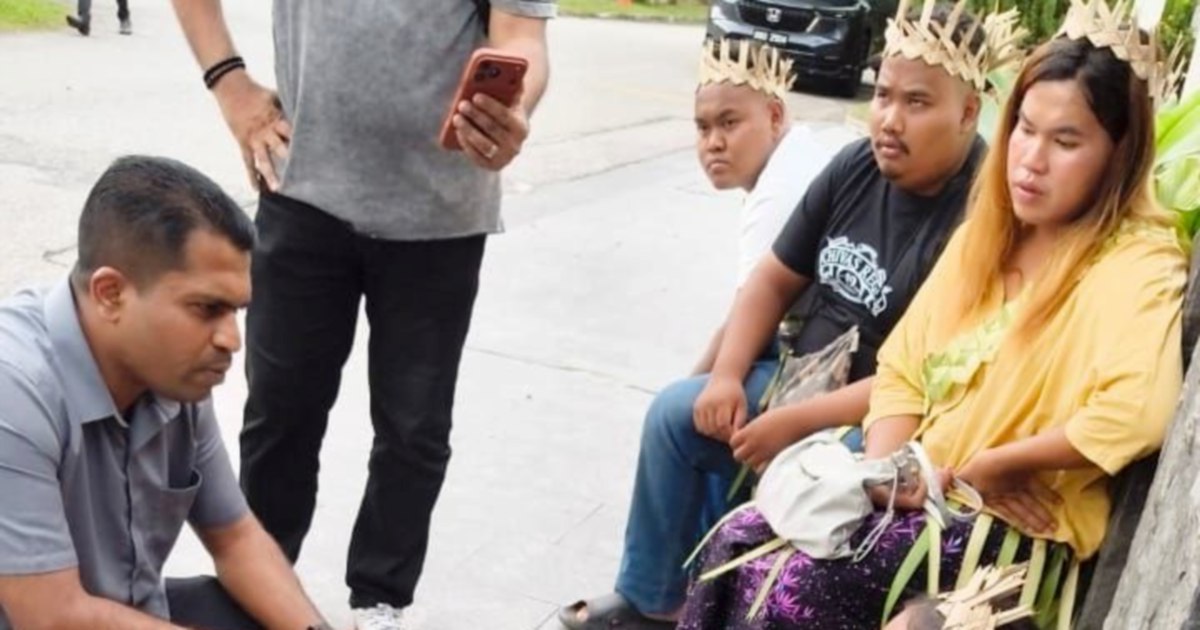
An Orang Asli delegation from Kampung Sungai Cot in Maran, Pahang undertook a gruelling two-day journey on foot to reach Prime Minister Datuk Seri Anwar Ibrahim's residence in Bandar Sungai Long, bringing their land dispute directly to the highest political level. The community's decision to march to the Prime Minister's home underscores the gravity of their grievances and their frustration with the pace of resolution through conventional administrative channels. By taking this dramatic step, the villagers have moved beyond local and state-level appeals, signalling that they believe their concerns require urgent federal-level intervention and attention.
The Orang Asli community's grievances centre on the alleged destruction of their ancestral homes and the encroachment upon their traditional lands. For indigenous communities in Malaysia, ancestral lands represent far more than mere property—they embody cultural identity, spiritual connection, and generational continuity. The destruction of homes and the threat to land rights strikes at the heart of Orang Asli existence and their ability to preserve their way of life for future generations. The intensity of the villagers' response, demonstrated by their willingness to undertake a physically demanding two-day walk, reflects the depth of anxiety and desperation within their community regarding the preservation of their heritage and territorial claims.
The Orang Asli have historically faced significant challenges in securing legal recognition and protection of their land rights within Malaysia's complex property and administrative system. Land disputes involving indigenous communities often stem from overlapping claims between traditional usage rights, government allocations, and development projects. In Pahang specifically, rapid development and resource extraction activities have frequently created tensions between state development priorities and indigenous land interests. The situation at Kampung Sungai Cot appears to exemplify this broader pattern of indigenous communities finding themselves at odds with external pressures on their territories.
The delegation's decision to present their case directly to the Prime Minister reflects a calculated political strategy. By appealing to the highest executive authority, the community seeks to bypass potential obstacles at state or district levels and secure commitments for federal investigation and intervention. This approach suggests that local and state mechanisms have either proven ineffective or that the community lacks confidence in their responsiveness to indigenous concerns. The visibility of such a protest also places public and media attention on the issue, potentially creating political pressure on the federal government to demonstrate commitment to indigenous rights protection.
Malaysia's constitutional framework, particularly Article 153, provides for the special position of indigenous peoples, yet translating these constitutional protections into tangible legal safeguards for land rights has remained challenging. The Orang Asli constitute approximately 178,000 individuals across multiple groups with distinct languages and customs, yet they face fragmentation in their political representation and advocacy capacity. The Kampung Sungai Cot community's collective action demonstrates a willingness to overcome such barriers and assert their rights through direct engagement with national leadership.
The timing and nature of this protest carry implications for how Malaysia's federal government addresses indigenous rights in the coming period. The Anwar Ibrahim administration, which came to power emphasizing reform and inclusivity, faces an opportunity to demonstrate its commitment to these principles through substantive action on indigenous land disputes. How the government responds to this delegation will likely signal its priorities regarding the balance between development interests and indigenous protection—a question that resonates across Southeast Asia as governments grapple with similar tensions.
Orang Asli communities in Maran district and surrounding regions have experienced numerous land-related challenges over recent decades. The Pahang state government, as custodian of most state lands, plays a crucial role in mediating between development interests and indigenous claims. Federal intervention could help establish clearer protocols for resolving such disputes, ensuring that indigenous rights are given substantive consideration alongside economic development objectives. The specific circumstances of Kampung Sungai Cot—including who initiated the alleged destruction, what justification was offered, and what regulatory oversight existed—require transparent investigation and public accounting.
The broader implications of this protest extend to Malaysia's standing on indigenous rights within the international community. Numerous Southeast Asian nations face similar challenges balancing development with indigenous protection, and Malaysia's approach to this case may influence regional norms and expectations regarding how governments treat indigenous populations. International human rights mechanisms and development agencies increasingly scrutinize how nations protect indigenous lands and rights, making these domestic disputes significant in terms of Malaysia's international reputation and standing.
For the Orang Asli community at Kampung Sungai Cot, the immediate goal involves securing federal acknowledgment of their grievances and commitments for investigation and remedial action. Medium-term objectives likely include halting further destruction, establishing clear demarcation of their territorial rights, and exploring compensation or restoration options for past harms. The longer-term aspiration involves securing legal frameworks and mechanisms that provide enduring protection for indigenous lands and rights against future encroachment or destruction. This protest represents a critical moment in which the community has forced the issue into national political consciousness, creating both opportunity and vulnerability as their case now receives higher-level scrutiny.
The delegation's journey to Bandar Sungai Long represents an act of collective assertion by a historically marginalized community seeking recognition and justice within Malaysia's political system. Whether the federal government responds with substantive commitment to investigate, protect, and remediate will have profound consequences not only for Kampung Sungai Cot but for how other Orang Asli communities perceive their capacity to secure their rights through engagement with national authorities.

