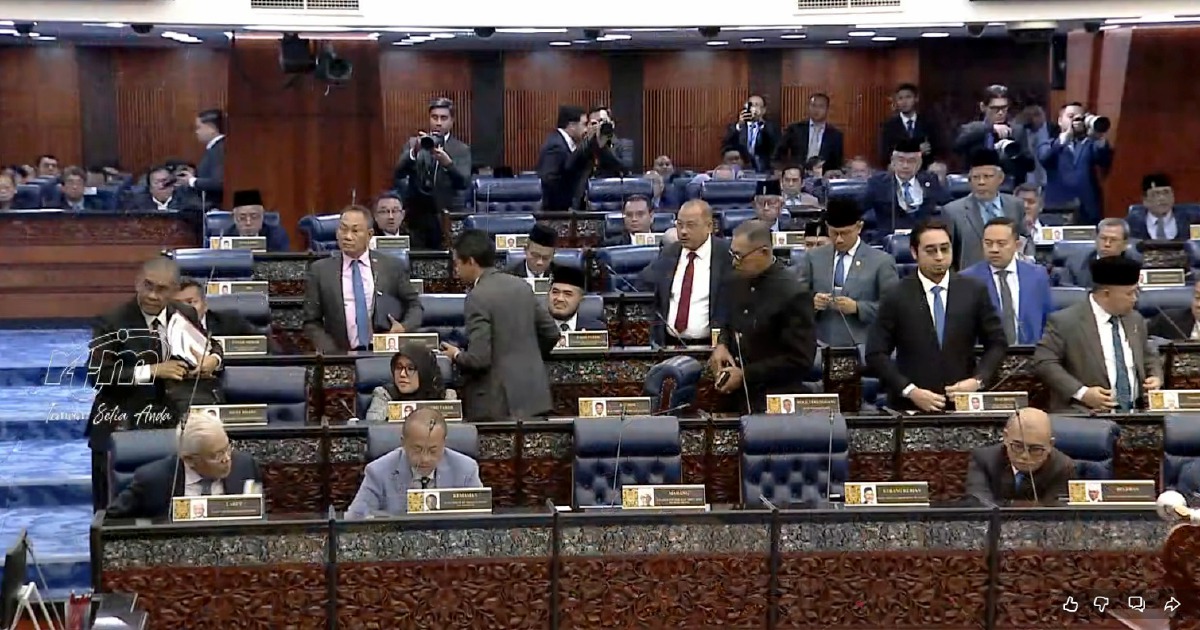
Opposition Members of Parliament initiated a coordinated walkout from the Dewan Rakyat today in protest against the Speaker's refusal to postpone the special parliamentary sitting dedicated to debating the Royal Commission of Inquiry report on Tabung Haji. The lawmakers had requested that the session be deferred until Prime Minister Datuk Seri Anwar Ibrahim returned to the chamber, arguing that his presence was essential for a meaningful discussion of the findings concerning the pilgrim fund management body.
The Tabung Haji RCI report represents a significant examination of governance and financial management at the institution, which oversees savings and pilgrimage arrangements for Malaysian Muslims. The royal commission's investigation has drawn considerable public and parliamentary attention given the fund's importance to hundreds of thousands of contributors nationwide. The timing of the parliamentary debate, therefore, carries considerable political weight, as does the question of which leadership figures are present during such deliberations.
Opposition members contended that conducting the special sitting in the absence of the Prime Minister would diminish the effectiveness of parliamentary scrutiny and debate on such a consequential matter. Their argument reflected broader parliamentary conventions regarding the significance of executive presence during discussions on major governance issues. The decision to walk out represented an escalation from verbal objection to a formal display of disapproval, a tactic that signals deep disagreement on procedural and substantive grounds.
The Speaker's determination to proceed despite the opposition's plea underscores the tension between parliamentary procedure and political expectations regarding executive availability. The Speaker's authority to make such rulings is constitutionally grounded, yet the legitimacy of parliamentary proceedings often depends on broader acceptance among lawmakers. This incident illustrates the delicate balance between formal parliamentary powers and the practical necessities of maintaining constructive legislative engagement across party lines.
Tabung Haji has been subject to increased scrutiny in recent years following concerns about fund management, investment performance, and governance standards. The RCI's investigation was established to examine these matters comprehensively and restore public confidence in the institution. The findings and recommendations contained in the report could have far-reaching implications for how the pilgrim fund operates and how it manages the assets entrusted to it by contributors across Malaysia.
For Malaysian citizens and the broader Southeast Asian region, the resolution of Tabung Haji's governance challenges carries practical significance. Millions of Malaysians depend on the fund for managing their pilgrimage savings and arrangements, making its financial health and operational integrity matters of genuine public concern. Any institutional reforms or policy changes emerging from the RCI debate could directly affect contribution mechanisms, payout schedules, and investment strategies affecting current and future contributors.
The walkout demonstrates the fractious state of parliamentary relations, reflecting wider political polarization that has characterized Malaysian politics over recent years. Opposition parties view such procedural disputes as opportunities to challenge the government's decision-making authority and highlight concerns about democratic norms. The government, conversely, maintains that parliamentary business must proceed according to established schedules and procedures regardless of individual ministers' availability on specific dates.
Parliamentary walkouts, while relatively uncommon, carry symbolic weight in democratic systems. They represent a form of protest available to lawmakers when normal channels of persuasion have failed. The decision to employ this tactic suggests that opposition members believed their substantive concerns about parliamentary process and executive accountability warranted this dramatic response. Such actions often attract media attention and public commentary, potentially influencing how subsequent debates unfold.
The absence of Prime Minister Anwar Ibrahim from Parliament may have reflected a pre-arranged commitment or official duty elsewhere, or could have been part of routine parliamentary schedules. Regardless of the reason, the opposition's insistence on his presence for the Tabung Haji debate reflected their belief that discussions of governance failures and remedial measures require input from the nation's chief executive. This perspective assumes that meaningful debate on institutional reform necessitates direct engagement from the highest political levels.
Looking forward, the Tabung Haji RCI debate will likely proceed, though the circumstances of this walkout may color subsequent discussions. The incident could influence the tenor of parliamentary engagement on this issue and potentially set precedents for how lawmakers handle similar procedural disagreements on other significant matters. The fundamental questions raised regarding parliamentary effectiveness when there are disagreements over procedural timing and executive participation remain unresolved, suggesting that similar confrontations could recur as Parliament addresses other critical matters.
For Malaysian stakeholders monitoring the Tabung Haji issue closely, the parliamentary dispute adds another layer of uncertainty to an already complex reform agenda. Clear, decisive parliamentary engagement on the RCI recommendations would ideally facilitate swift implementation of necessary changes. Instead, procedural conflicts may slow progress on addressing governance concerns that have accumulated over years. The political context in which institutional reform occurs often determines the effectiveness and durability of the changes eventually implemented.

