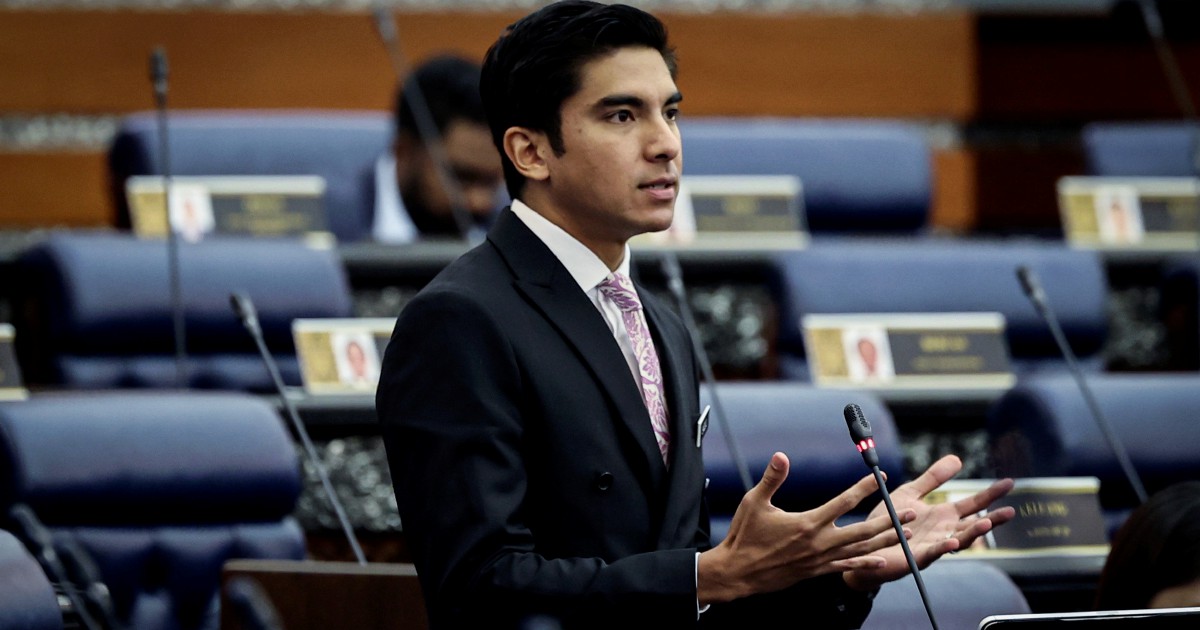
Syed Saddiq Syed Abdul Rahman, the Muda representative for Muar, has launched a scathing attack on opposition lawmakers for walking out of a crucial parliamentary session focused on the Tabung Haji Royal Commission of Inquiry findings. The politician argues that the boycott represents a fundamental betrayal of the more than 10 million depositors whose savings remain entangled in the institution's ongoing financial crisis. His remarks underscore growing tensions around how lawmakers across the political spectrum have approached the contentious issue of Malaysia's largest Islamic savings scheme.
The Tabung Haji controversy has emerged as one of the most sensitive political matters in Malaysian parliament, touching the religious sentiments and personal finances of millions of Muslim Malaysians who contribute to the fund for their hajj pilgrimage expenses. The institution has faced persistent questions about governance, investment decisions, and transparency regarding where depositors' money has been allocated. The Royal Commission of Inquiry was established to investigate these concerns and provide recommendations for reform and accountability.
Syed Saddiq's criticism carries particular weight given his position as a younger voice within Malaysian politics who has positioned himself outside the traditional two-bloc system. Muda, his party, has sought to carve out space as an independent reformist force, and his intervention in this debate reflects the broader principle that parliamentary scrutiny should transcend partisan divisions when matters affect millions of ordinary citizens. The intensity of his rebuke suggests that the opposition's decision to absent itself from the discussion has become a focal point for questioning their commitment to accountability.
The decision by opposition members to boycott the parliamentary debate raises significant questions about their strategy and priorities. Whether the boycott was intended as a protest against perceived unfairness in how the debate was structured, or reflected disagreements about the substance of the RCI findings, the net effect according to Syed Saddiq is that depositors lose an opportunity to hear robust interrogation of the issues affecting their savings. Parliamentary debate serves as a public platform where concerns can be aired, explanations demanded, and commitments extracted from those responsible for governance.
For ordinary Malaysians holding deposits in Tabung Haji, the political dimensions of this dispute may feel abstract compared to their urgent practical concerns. Many depositors have faced delays in accessing their funds for pilgrimage purposes, complications in managing their accounts, and uncertainty about the safety and growth of their savings. They expect their elected representatives, regardless of political affiliation, to focus relentlessly on ensuring their money is properly safeguarded and their claims are resolved swiftly.
The Tabung Haji issue also intersects with broader questions about how Malaysia manages large statutory institutions handling public funds. The fund's challenges have implicated various governance bodies, investment decisions made over multiple decades, and regulatory oversight. An RCI investigation typically aims to establish factual accountability and provide a foundation for institutional reform. Parliament's role is to assess these findings publicly and ensure they translate into concrete action and preventive measures.
Opposition parties may have had legitimate grievances about the parliamentary process or substantive disagreements about the RCI's conclusions. However, Syed Saddiq's point resonates because it emphasises that depositors themselves become collateral damage when political actors prioritise partisan tactics over the systematic examination of institutional failures. The public expects their representatives to engage vigorously with uncomfortable truths, even when doing so requires uncomfortable conversations with political opponents.
The timing and framing of parliamentary debates on sensitive financial matters also influences their effectiveness. When major portions of parliament choose not to participate, the resulting discussion may lack the comprehensive scrutiny and cross-examination that can expose flaws in government responses or inadequacies in proposed solutions. The opposition's absence potentially weakens the overall quality of parliamentary accountability, regardless of whether individual opposition members had personal or strategic reasons for their decision.
Moving forward, the challenge for Malaysian policymakers will be ensuring that the RCI's recommendations receive serious implementation attention and that continued parliamentary oversight persists regardless of electoral cycles or partisan positioning. Tabung Haji's institutional health matters not just for the millions of current depositors but for public confidence in how Malaysia manages large Islamic financial institutions. This requires sustained political attention that transcends temporary tactical advantages.
Syed Saddiq's intervention reflects a growing impatience among certain political figures with parliamentary conduct that appears to subordinate substantive governance questions to electoral calculations. For depositors whose livelihoods and religious obligations are bound up with Tabung Haji's stability, the expectation is that their elected representatives—wherever they sit in parliament—will keep their interests front and centre rather than allowing procedural disagreements or partisan conflict to diminish scrutiny.

