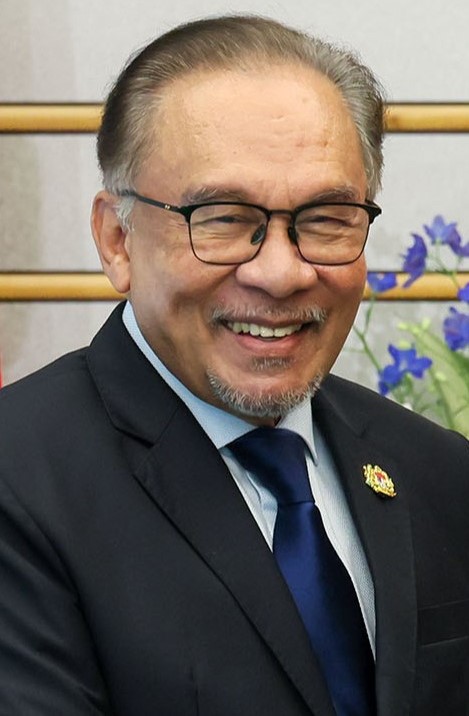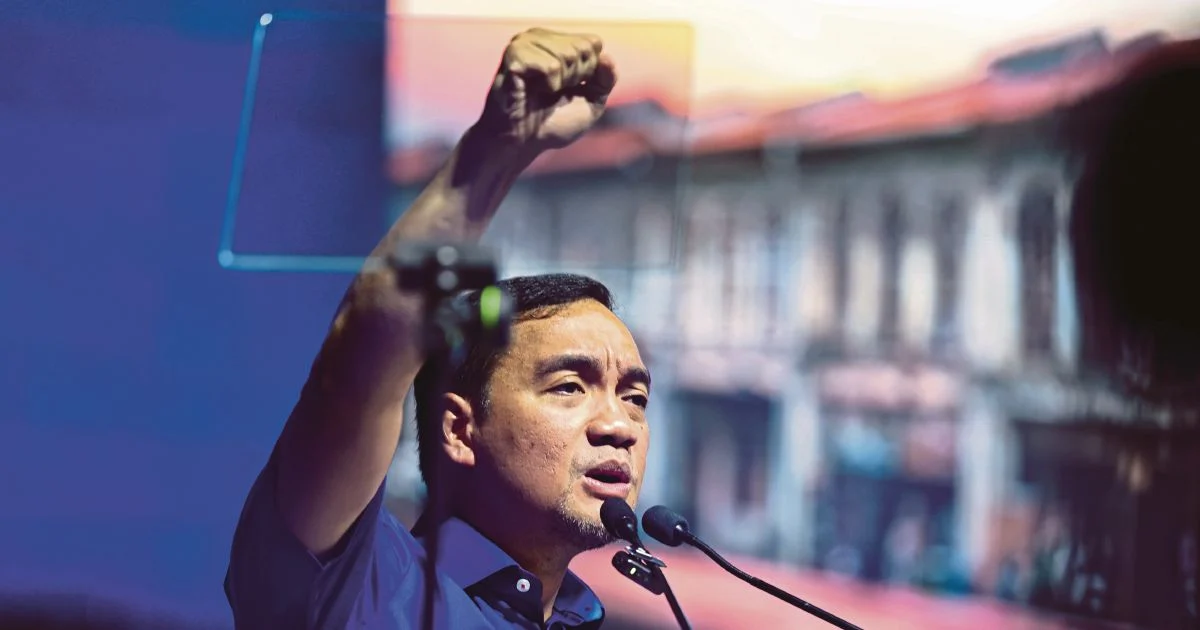
Caretaker Menteri Besar Datuk Onn Hafiz Ghazi has committed to contesting the Machap seat in the forthcoming Johor state election, signalling his intention to secure another term representing the constituency. The decision to defend his seat comes as polling day approaches for the southern state, where political fortunes hang in the balance amid shifting voter sentiment across the peninsula.
Machap has emerged as a significant battleground in Johor's political landscape, with the incumbent seeking to build on previous electoral performance. The constituency's demographic composition and economic interests have made it a closely watched indicator of broader regional trends. Local issues including infrastructure development, agricultural policy, and small-business support remain central to community concerns heading into the campaign period.
Onn Hafiz's position as caretaker Menteri Besar underscores the administrative machinery's continuity throughout the election process. His role managing state affairs during this transitional phase requires balancing governance responsibilities with campaign activities, a common challenge for sitting leaders seeking fresh mandates from voters. The caretaker arrangement ensures essential services continue while political competition intensifies across constituencies.
The Johor election carries broader implications for the national political landscape. Results from the state, historically a coalition stronghold, will offer crucial insights into voter behaviour patterns and coalition strength in key regions. Neighbouring states and federal policymakers typically monitor Johor outcomes closely, as the state's economic significance and large population base influence national political calculations and potential coalition alignments.
Machap's voting patterns in recent elections have reflected the competitive nature of politics in this region. The constituency encompasses both urban and rural areas, requiring candidates to address diverse concerns ranging from commerce and employment to agricultural sustainability and community infrastructure. Onn Hafiz's incumbency advantage includes name recognition and established administrative networks, though challenger candidates will seek to capitalise on any perceived dissatisfaction among voters.
The upcoming election represents an opportunity for the Johor electorate to assess governance performance and articulate priorities for the state's future direction. Policy platforms addressing cost-of-living pressures, job creation, and education will likely feature prominently in campaign messaging across all competing parties. Local infrastructure projects and their completion rates may influence voter decisions in constituencies like Machap.
Onn Hafiz's decision to contest reflects confidence in his electoral prospects and policy platform. Retaining the Menteri Besar position would require his coalition to secure sufficient seats to command state assembly majority, making individual constituency performances critical to overall outcome. The Machap contest will therefore serve as both a personal electoral battle and a building block toward broader coalition ambitions in the state.
The campaign ahead will test organisational capabilities of all competing factions. Grassroots mobilisation, candidate credibility, and effective communication of policy initiatives typically determine outcomes in closely contested constituencies. Both incumbent and challengers will invest resources in engaging voters through community forums, door-to-door outreach, and digital engagement platforms.
Voter sentiment in Machap, like elsewhere in Johor, appears influenced by economic conditions, development progress, and perceived performance by state and federal authorities. Rising inflation, unemployment concerns, and service delivery expectations shape political discourse in Malaysian constituencies. Candidates addressing these material concerns while maintaining credibility with community leaders tend to perform strongly.
The election process itself involves multiple administrative phases, from nomination to polling day, each offering opportunities for parties to demonstrate organisational strength. Onn Hafiz's team must sustain momentum throughout this period while navigating challenges that emerge during active campaigning. Electoral rules and boundary definitions also influence strategic calculations in constituencies like Machap.
Looking beyond the immediate contest, Johor's election results will contribute to understanding evolving political coalitions and voter preferences across the country. The state has historically served as a testing ground for political strategies and messaging approaches that subsequently gain national traction. Political analysts across the region watch Johor developments with considerable interest, recognising the state's influence on broader Malaysian political dynamics.
The path forward for Onn Hafiz depends substantially on effective campaign execution and resonance of his political message with Machap voters. Success requires building on administrative achievements while presenting compelling vision for future development. As the election campaign progresses, the Machap contest will crystallise broader questions about voter priorities and political preferences across Johor.