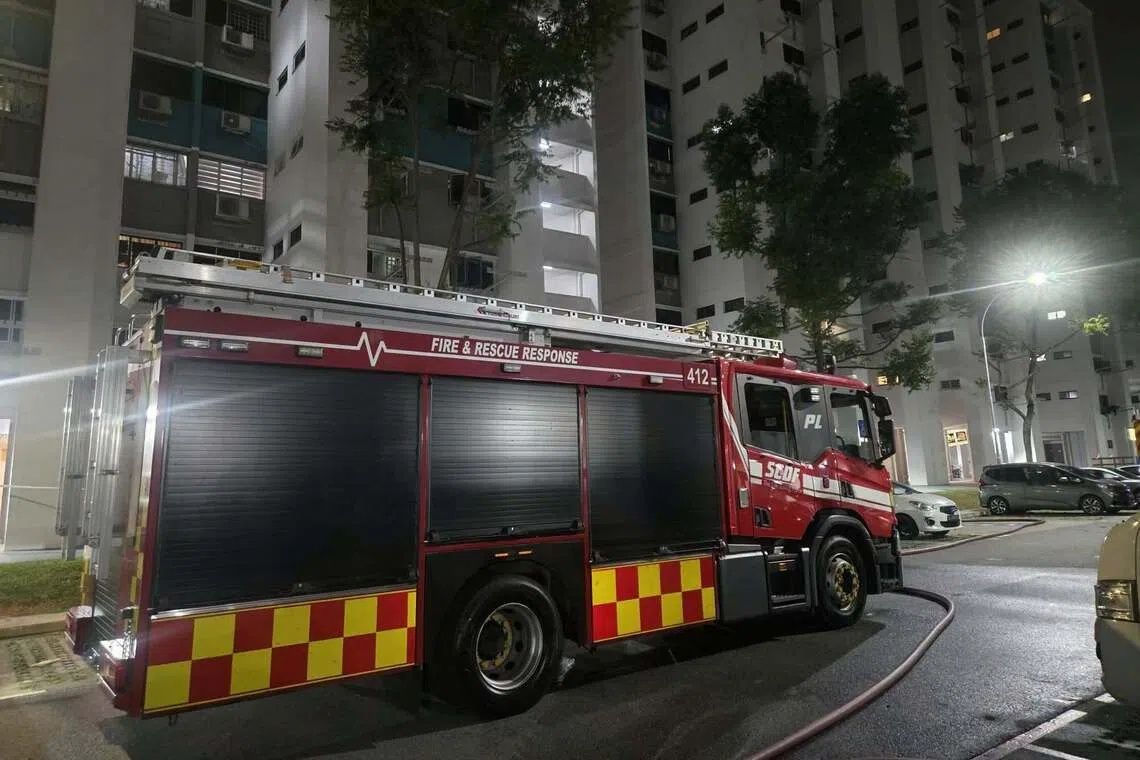
A residential fire in Singapore's Jurong East neighbourhood has claimed one life and prompted the evacuation of 50 residents from a multi-storey public housing block. The Singapore Civil Defence Force responded to the emergency at Block 339 Jurong East Avenue 1 in the early morning of August 16, arriving within minutes of receiving the alert at 3.55am. Upon reaching the scene, firefighters discovered thick black smoke billowing from a third-floor unit, with flames consuming furnishings in the flat's living room.
Rescue personnel forced their way into the affected unit and discovered an unresponsive individual in the living room. Medical personnel pronounced the resident dead at the scene, marking another tragedy in what has become an alarming trend of fatal residential fires across Singapore's Housing and Development Board estates. The identity of the deceased and the precise circumstances leading to their death remain under investigation by authorities, who have yet to determine the fire's origin or contributing factors.
The incident underscores a disturbing escalation in HDB fire incidents over the preceding fortnight. This fatal blaze represents at least the fourth deadly fire to strike public housing units since July 28, a span of less than three weeks that has left multiple residents dead and others hospitalised with burn injuries. The frequency and severity of these incidents have prompted concerns among residents and fire safety officials about potential underlying issues affecting the island's ageing housing stock.
On July 28, a fire erupted in a flat at Block 39 Circuit Road during morning hours, claiming the life of a 70-year-old resident. Three days later, on July 31, another blaze tore through an eighth-floor unit at Block 309 Clementi Avenue 4, resulting in the death of a 65-year-old man and leaving two firefighters injured in the course of their rescue operations. The injuries to professional firefighters underscored the intensity and hazardous conditions these personnel faced during suppression efforts.
The pattern continued when a fifth-floor unit at Block 684 Race Course Road ignited on August 3. Five residents, aged between 55 and 88 years old, were hospitalised following this incident. Among them, an 88-year-old resident succumbed to their injuries on August 5, two days after the initial fire. The clustering of these incidents within such a brief timeframe has sparked renewed scrutiny of fire safety protocols in HDB estates, where thousands of families reside in densely packed residential blocks.
The rapid succession of fatal fires has implications extending beyond the immediate human tragedy. In Singapore, where public housing accommodates the majority of the population, any systemic fire safety concerns reverberate across the entire residential landscape. The incidents raise questions about maintenance standards, early warning systems, fire suppression equipment effectiveness, and resident awareness of fire safety protocols. Each fatality represents not only a loss of life but also a potential indicator of preventable vulnerabilities within the housing system.
For Malaysian observers, Singapore's fire safety challenges offer instructive lessons. Malaysia's own public housing sector, particularly in urban centres like Kuala Lumpur, Selangor, and Penang, houses millions of residents in multi-storey blocks similar in design and density to HDB estates. The frequency of fires in these buildings, particularly affecting lower-income households with limited alternative accommodation options, has long concerned Malaysian fire safety advocates and urban planners. The Singapore cluster demonstrates how quickly residential fire incidents can overwhelm emergency response capacity and devastate communities.
The investigation into each fire's cause will be crucial in determining whether the incidents reflect isolated accidents or point to systemic issues requiring comprehensive remediation. Potential contributing factors under examination typically include electrical faults, cooking-related accidents, smoking-related fires, inadequate fire suppression equipment, blocked emergency exits, or insufficient warning systems. The mix of casualties across different blocks and at different times suggests multiple causative factors rather than a single shared defect affecting the entire HDB system.
The evacuation of 50 residents from the Jurong East block demonstrated the effectiveness of coordinated emergency response, with residents safely relocated despite the early morning hour and the rapid spread of smoke through the building. However, the frequency with which such evacuations now occur in Singapore highlights the critical importance of sustained investment in fire prevention education, regular maintenance inspections, and modern fire detection technology in residential settings. Authorities will likely intensify public messaging around fire safety awareness following this latest incident.
As investigations proceed into the circumstances surrounding each fire, family members of victims and affected communities await answers about whether these tragedies could have been prevented through better maintenance, upgraded safety systems, or enhanced regulation. The concentration of fatal incidents within a two-week period has prompted broader discussions within Singapore about whether current fire safety standards in residential buildings remain adequate for modern housing conditions and whether additional protective measures warrant implementation across the entire HDB portfolio.
The incident serves as a sobering reminder that residential fires remain a persistent threat across Southeast Asia's rapidly urbanising societies. As populations concentrate in high-density housing developments, the stakes involved in fire prevention and emergency response escalate accordingly. For residents in comparable public housing developments throughout the region, the Singapore incidents underscore the importance of personal fire safety preparedness, familiarity with evacuation procedures, and advocacy for regular safety audits in their own residential buildings. The human cost of inadequate fire safety extends far beyond statistical measures into the fabric of communities and families forever altered by tragedy.

