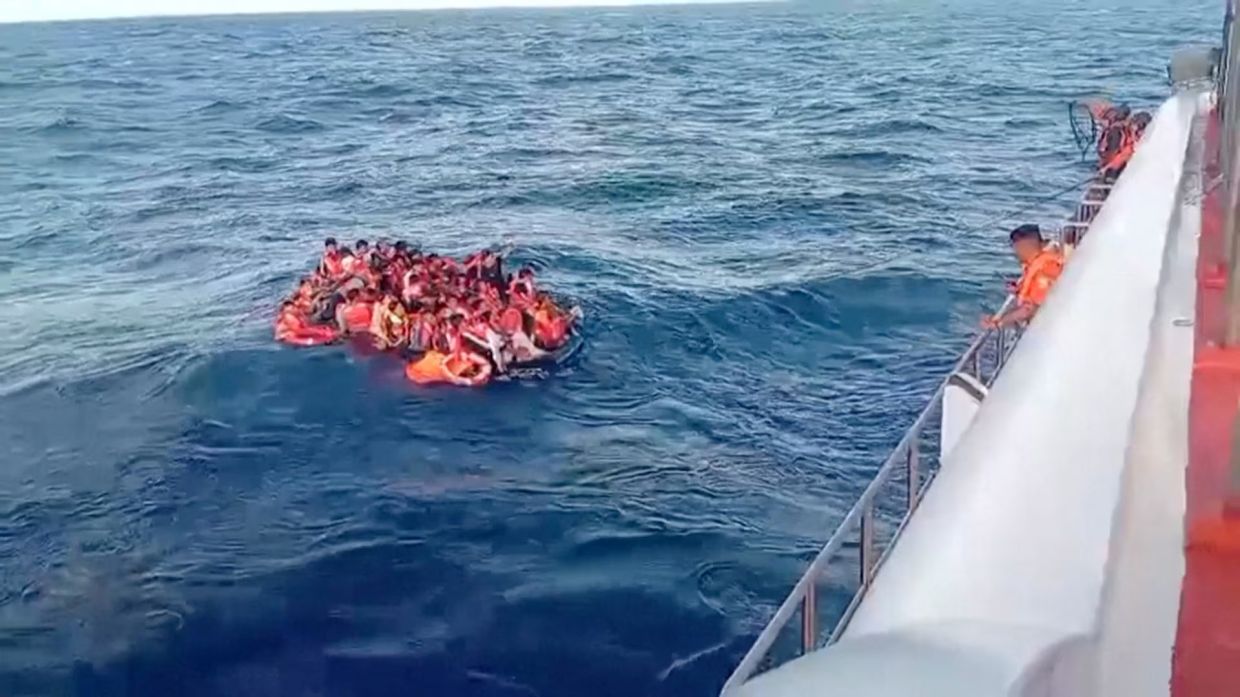
A major maritime disaster unfolded near Bali early Wednesday when the Putri Yasmin passenger ferry erupted in flames during a routine journey to the neighboring island of Lombok, claiming one life and triggering a large-scale evacuation that ultimately saved 211 people, authorities confirmed Thursday. The incident underscores the persistent risks facing inter-island ferry services that millions of Indonesians depend on daily to navigate their sprawling archipelago.
The fire broke out at approximately 4:15 a.m. local time as the vessel steamed through the waters separating Bali from Lombok. The blaze rapidly escalated, forcing crew members to initiate emergency procedures and alert rescue authorities to the unfolding crisis. One Indonesian woman perished in the incident, the only fatality recorded during what could have proven far more catastrophic had response efforts been delayed or less coordinated.
The successful evacuation reflected a coordinated interagency effort involving multiple arms of Indonesia's maritime safety apparatus. The National Search and Rescue Agency mobilized its resources alongside the Indonesian Navy and maritime police, who arrived quickly enough to coordinate the transfer of passengers to safety. Assistance also came from civilian vessels operating nearby, which answered distress calls and provided immediate humanitarian aid, demonstrating the importance of commercial traffic cooperation in emergency situations.
Evacuated passengers were distributed between ports in both Bali and Lombok, with the multi-agency response ensuring that survivors received medical attention and assistance. Local authorities declared the evacuation complete without further casualties, a fact that officials emphasized as essential to containing what was initially a terrifying situation for those aboard. The speed and apparent coordination of the rescue efforts likely prevented a tragedy of significantly larger proportions.
However, the incident exposed discrepancies in vessel documentation that raise questions about boarding procedures and maritime record-keeping. The ferry's official manifest recorded 131 individuals aboard, comprising 114 passengers and 17 crew members. Yet investigators later determined that additional unregistered passengers had boarded the vessel, meaning actual occupancy exceeded recorded figures. This gap between documented and actual passenger numbers hints at enforcement vulnerabilities that have plagued Indonesian maritime operations for years.
The discovery of unregistered passengers raises broader safety concerns endemic to inter-island ferry operations across the archipelago. Overcrowding, whether intentional or due to lax documentation, reduces the effectiveness of evacuation procedures and increases vulnerability during emergencies. The practices that allow such discrepancies to exist in the first place represent a persistent challenge that authorities have struggled to eliminate despite periodic crackdowns and safety initiatives.
Indonesia's National Transportation Safety Committee has assumed responsibility for investigating the fire's origin and determining how it started. The committee is being assisted by the Lembar Port Authority in examining the circumstances surrounding the blaze. Preliminary assessments will likely focus on mechanical failures, electrical faults, cargo issues, or operational decisions that may have contributed to ignition, though determining precise causation in maritime fires often requires extensive technical investigation.
Beyond identifying the fire's cause, authorities face the task of quantifying material losses stemming from the incident. The Putri Yasmin itself represents a significant asset, and the vessel's operational status remains unclear following the blaze. Additionally, investigative teams must evaluate damage to vehicles stored onboard and cargo losses, calculations that will take weeks to complete comprehensively. Insurance assessments and compensation determinations hinge partly on understanding the full extent of property damage.
For Malaysia and the broader Southeast Asian region, the Bali ferry incident serves as a sobering reminder of maritime transportation vulnerabilities that extend across the Strait of Malacca and throughout regional waters. Although Indonesia dominates inter-island ferry operations due to its vast island count, similar vulnerabilities exist in Philippine, Malaysian, and Thai maritime sectors. Passengers throughout Southeast Asia rely on comparable vessels and face comparable risks when safety oversight proves inconsistent.
Ferrry services remain indispensable across Indonesia's more than 17,000 islands, facilitating commerce, tourism, and daily movement of millions of people. Yet ferries operating within Indonesian and regional waters remain susceptible to preventable disasters stemming from lax enforcement of safety protocols, inadequate maintenance schedules, and unpredictable maritime weather. The gap between regulatory frameworks that exist on paper and compliance in practice continues to plague operators, passengers, and maritime authorities tasked with safeguarding public welfare.
The Wednesday morning blaze also highlights environmental vulnerabilities that maritime operations face in tropical waters prone to rapid weather changes and challenging ocean conditions. High-speed wind shifts and sudden storms can overtax vessel systems and crew responses, especially among older vessels or those lacking modern safety equipment. As Southeast Asian economies expand ferry services to meet growing demand, ensuring that growth occurs alongside strengthened safety standards remains an ongoing challenge for regulators throughout the region.
Indonesian authorities will likely use this incident to renew pressure for enhanced safety compliance, stricter passenger manifest procedures, and improved emergency protocols among operators. Similar recommendations surface following each major ferry disaster, yet implementation gaps persist due to cost pressures on operators and limited inspection resources. The Putri Yasmin fire, despite claiming one life, represents an opportunity for systemic improvements that could prevent larger tragedies in the future.

